
Transitioning to an off-grid lifestyle comes with its own unique set of challenges, particularly when it comes to maintaining a sustainable and effective sanitation system. Imagine living surrounded by nature, free from the hustle and noise of city life, while still managing your waste effectively without relying on conventional infrastructure.
Off-grid sanitation is not just about dealing with waste—it's about integrating environmentally friendly practices that support a sustainable and self-sufficient lifestyle. This approach allows you to reduce your environmental footprint, conserve precious resources, and embrace a way of living that's in harmony with the planet.
As we delve into the world of essential off-grid sanitation tips, think about how you can transform typical sanitation hurdles into opportunities for innovation and sustainability. Whether you're starting from scratch or looking to improve your existing off-grid system, adopting these practices will empower you to handle waste management with confidence and care.
From composting toilets to natural waste treatment systems, we'll explore practical, cost-effective solutions that can be adapted to various off-grid scenarios, ensuring your commitment to sustainability is reflected in every aspect of your lifestyle.
Choosing the Right Off-Grid Sanitation System
Selecting the ideal Off-Grid Sanitation solution begins with understanding your site’s unique characteristics—climate, soil type, water availability, and local regulations all play a major role. Options range from composting toilets and septic tanks to incinerating units and vault toilets. Composting toilets work well in moderate climates and require minimal water, whereas septic systems are better suited to areas with stable groundwater levels and space for a drain field.
Incinerating toilets, while higher in upfront cost, eliminate waste completely via combustion and are excellent where groundwater contamination is a concern. Your budget and maintenance preferences should also guide your choice. Composting systems require regular tending—turning material, adding bulking agents, and monitoring moisture—whereas a low-maintenance vault toilet simply needs periodic emptying.
Consider user capacity: a family of four will need a larger system than a single person or occasional cabin user. Make sure to review local health and environmental codes; some jurisdictions have strict guidelines on waste disposal that could affect your options. Ultimately, the right system balances cost, convenience, environmental impact, and community regulations to deliver a sustainable Off-Grid Sanitation solution that fits your lifestyle and location.
Implementing Composting Toilets Effectively
Composting toilets are at the heart of many Off-Grid Sanitation setups because they transform human waste into nutrient-rich compost without external water. To implement a composting toilet effectively, start by selecting the right design: continuous pile, batch, or urine-diverting models. Continuous designs allow ongoing use with periodic removal of finished compost, while batch systems require you to fill separate chambers in cycles.
Urine diversion helps keep solids dryer and speeds decomposition. Proper bedding materials—such as sawdust, coconut coir, or straw—are essential to maintain the correct carbon-to-nitrogen ratio. Aim for approximately 30:1 carbon to nitrogen. Add a generous handful of bedding after each use to control odors and absorb moisture.
Ventilation is another key factor: install a vent pipe and a small solar or battery-powered fan to draw air up and away, ensuring aerobic decomposition and virtually eliminating smells. Maintenance involves regular monitoring of moisture levels: the pile should be damp but not soggy. If it becomes too wet, add more dry bedding.
Every few months or when the pulped material reaches the lower chamber, allow the finished compost to mature for at least six months before using it as a soil amendment. During colder months, indoor installation or insulated cabinets help maintain optimal microbial activity.
By following these best practices, you’ll keep your composting toilet running efficiently, controlling pathogens and producing safe, usable compost while practicing sustainable Off-Grid Sanitation.
Designing a Greywater Recycling System
Greywater recycling is a cornerstone of comprehensive Off-Grid Sanitation, allowing you to reuse gently used wastewater from showers, sinks, and laundry for irrigation or flushing systems. Proper design starts with source separation: keep kitchen sink water (high in fats and oils) separate, directing bathroom and laundry greywater into filtration pathways.
Install a simple filter—such as a mesh screen or gravel and sand layers—to remove hair, lint, and debris. From there, direct the filtered water to a constructed wetland or subsurface drip irrigation field. These natural filtration approaches remove remaining contaminants and nutrients, preventing plant over-fertilization and groundwater pollution.
When planning, calculate daily water volumes to size your treatment bed appropriately. For a small household generating 50–100 gallons of greywater per day, a 100–200 square foot drain field can suffice. Line the filter bed with perforated pipes buried approximately one foot below grade, cover with a mix of gravel and sand, then top with mulch and vegetation that thrives on consistent moisture.
Avoid edible gardens to mitigate health risks, and follow local guidelines on setback distances from wells or property boundaries. By designing an Off-Grid Sanitation greywater system that incorporates proper filtration, safe reuse, and thoughtful landscape integration, you’ll dramatically reduce freshwater consumption and enhance your property’s resilience and sustainability.
Harnessing Solar Power for Off-Grid Sanitation
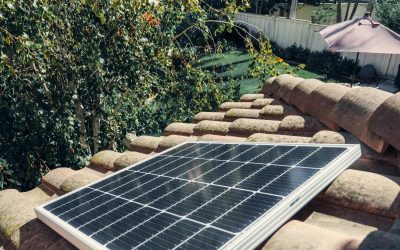
Solar power can transform your Off-Grid Sanitation setup by powering pumps, fans, and monitoring systems without relying on grid electricity. The key is to assess your energy needs: calculate wattage requirements for components like ventilation fans in composting toilets, small pumps in greywater systems, or UV sterilizers in water treatment.
Begin by mapping out daily usage hours—ventilation fans might run continuously, while pumps for greywater irrigation only operate during scheduled cycles. Size a solar array accordingly: a 50–100 watt panel can easily support a 10–20 watt fan running 24/7, whereas more intensive pump usage may demand 200+ watt panels.
Pair panels with a charge controller and a deep-cycle battery bank to ensure consistent power during cloudy days or at night. Mount panels in an unshaded, south-facing location at a tilt that matches your latitude for optimal year-round production. Use weather-resistant wiring and secure mounting hardware to withstand wind and snow loads.
Integrate an inverter if you need AC power for certain appliances, or keep systems DC-run to minimize conversion losses. A small MPPT (maximum power point tracking) controller can improve overall efficiency by up to 30% compared to basic PWM controllers.
By thoughtfully integrating solar power into your Off-Grid Sanitation infrastructure, you’ll reduce reliance on fossil-fueled generators, lower operating costs, and reinforce your sustainable lifestyle with clean, renewable energy.
Managing Solid Waste in an Eco-Friendly Way
Managing solid waste off the grid extends beyond human waste—it includes kitchen scraps, packaging, and everyday trash. An eco-friendly approach begins with source reduction: opt for reusable containers, purchase bulk goods, and avoid single-use plastics. Compost organic waste alongside manure and yard trimmings in a hot compost pile, where temperatures of 135–160°F break down food scraps quickly and kill pathogens.
Non-compostable items require careful sorting. Set up clearly labeled bins for recyclables (glass, metal, paper) and non-recyclables. In regions with recycling facilities, transport sorted materials periodically to local drop-offs. For truly non-recyclable waste, consider a burn barrel if permitted, ensuring complete combustion at high temperatures to reduce ash volume. Always follow local regulations regarding open burning to minimize air pollution.
Another sustainable option is waste-to-energy: small-scale biogas digesters can convert kitchen scraps and animal manure into methane for cooking or lighting, with the residual slurry serving as a liquid fertilizer. These systems require an airtight digester tank and piping to collect gas, but they offer a closed-loop solution to both solid waste and energy generation.
For bulky farm debris—old wooden fencing, pallets, or broken furniture—salvage materials for firewood or build rustic outdoor structures like lean-tos and raised garden beds. Upcycling prolongs the life of materials and reduces the burden on landfills. By prioritizing reduction, reuse, composting, and innovative technologies like biogas, your Off-Grid Sanitation strategy will embrace a holistic approach to solid waste management that nurtures the environment.
Utilizing Natural Waste Treatment Methods
Natural waste treatment harnesses biological and ecological processes to purify wastewater and reduce pollutants without harsh chemicals. Constructed wetlands, reed beds, and rock filters mimic the self-cleaning properties of marshes and streams, providing an effective Off-Grid Sanitation solution. These systems rely on plants, microorganisms, and substrate to degrade organic matter and remove nutrients.
Construct a vertical flow wetland by layering gravel, sand, and soil in a lined basin. Plant native wetland species—such as cattails, reeds, and rushes—that thrive in saturated conditions. As greywater percolates through the media, aerobic and anaerobic bacteria colonize the substrate, breaking down organic pollutants. The roots oxygenate the zone, promote microbial growth, and uptake excess nutrients like nitrogen and phosphorus.
For more compact designs, rock filters or biofilters use coarse stones coated with biofilm to treat wastewater. Water cascades over the rocks, and the increased surface area accelerates microbial degradation. These filters can be built using salvaged stone, reducing material costs. Both wetlands and rock filters demand low maintenance—occasional weeding, inspection of flow rates, and periodic removal of sludge to maintain performance.
By integrating natural Off-Grid Sanitation treatments, you’ll protect nearby waterways, support biodiversity, and create wildlife habitat. Such ecological infrastructure not only purifies waste but also enhances your property’s aesthetics and resilience, embodying the principles of sustainable living.
Ensuring Proper Hygiene Practices Off the Grid
While Off-Grid Sanitation focuses heavily on waste treatment, hygiene practices remain paramount for health and comfort. Establish handwashing stations near toilets and food prep areas—simple setups with a gravity-fed water container, soap, and a basin. Encourage family and guests to wash hands thoroughly for at least 20 seconds after using the toilet and before handling food.
In remote settings without continuous running water, adopt no-rinse sanitizers for surfaces and dishes. Food-grade hydrogen peroxide or bleach diluted to recommended concentrations can disinfect countertops, cutting boards, and utensils. Store cleaning solutions away from heat and direct sunlight to preserve efficacy.
Shower and laundry water may contain pathogens; always segregate greywater from blackwater and avoid direct skin contact with untreated effluent. Use biodegradable, phosphate-free soaps to protect your greywater system and downstream vegetation. For personal hygiene, consider low-water-use showerheads and solar-heated showers that reduce water consumption while providing warm water.
Maintain toilet areas diligently by emptying vaults or compost chambers before capacity is reached. Clean toilet seats and handles daily with eco-friendly disinfectants, and keep ventilation ducts clear to prevent odors and insect intrusion. By prioritizing hygiene within your Off-Grid Sanitation plan, you safeguard health, enhance user comfort, and ensure that your sustainable lifestyle remains both practical and pleasant.
Addressing Challenges of Off-Grid Sanitation
Implementing Off-Grid Sanitation brings unique hurdles—seasonal temperatures, regulatory constraints, and technical malfunctions can all threaten system performance. Anticipating and mitigating these challenges ensures long-term success and reduces downtime.
Cold climates slow composting and can freeze pipes or tanks. Insulate outdoor components with straw bales, fiberglass jackets, or custom-built insulated boxes. In extreme conditions, consider moving toilet units inside an unheated but frost-protected structure. Heat packs or composting accelerators can boost microbial activity, keeping decomposition on track.
Water scarcity complicates greywater recycling. Use low-flow fixtures, capture rainwater, and schedule greywater irrigation during off-peak evaporation periods (early morning or late evening). Monitor system performance with simple flow meters and visual inspections to detect clogs or leaks early.
Regulatory requirements may limit where you can install systems or how you dispose of treated waste. Engage with local health departments before construction, submit required permits, and consider partnering with nearby landowners for shared treatment sites. When technical issues arise—pump failures, vent blockages, or power outages—maintain a toolkit of replacement parts and repair manuals, and cultivate DIY skills or community networks for troubleshooting.
Integrating Sustainable Practices into Daily Routine
Achieving a truly sustainable Off-Grid Sanitation lifestyle goes beyond system installation—it requires embedding eco-friendly habits into daily routines. Begin by tracking water usage and waste generation: simple logbooks or smartphone apps help you identify patterns and opportunities to reduce consumption.
Meal planning plays a role in waste reduction. Cook in batches to minimize greywater loads from dishes and reuse cooking water for irrigation where safe. Adopt no-waste recipes that transform vegetable peels and coffee grounds into compostable material.
Inhabitants should rotate responsibilities: chart a weekly schedule for compost turning, greywater system checks, and solar panel maintenance. Regular attention prevents problems from snowballing and fosters a sense of shared stewardship. When guests arrive, provide clear instructions on toilet use, handwashing stations, and waste separation to maintain system integrity.
Finally, stay curious and adaptive. Attend local workshops, join online Off-Grid Sanitation forums, and document your successes and setbacks. Continuous learning and community exchange will refine your practices and inspire innovations. By weaving sustainable hygiene and waste management into your everyday life, you’ll reinforce the resilience of your off-grid homestead and set a living example of environmental responsibility.
Conclusion: Embracing a Sustainable Off-Grid Lifestyle
Achieving effective Off-Grid Sanitation is a journey of thoughtful planning, continuous learning, and hands-on stewardship. From selecting the right system to harnessing solar power and natural treatment methods, each element contributes to a resilient, self-sufficient lifestyle.
By integrating these essential tips into your daily routine, you’ll minimize environmental impact, conserve resources, and enjoy the freedom of living in harmony with nature. Embrace innovation, adapt to challenges, and celebrate the small victories—your commitment to sustainable sanitation will not only benefit your homestead but also inspire others on the path to off-grid living.



0 Comments