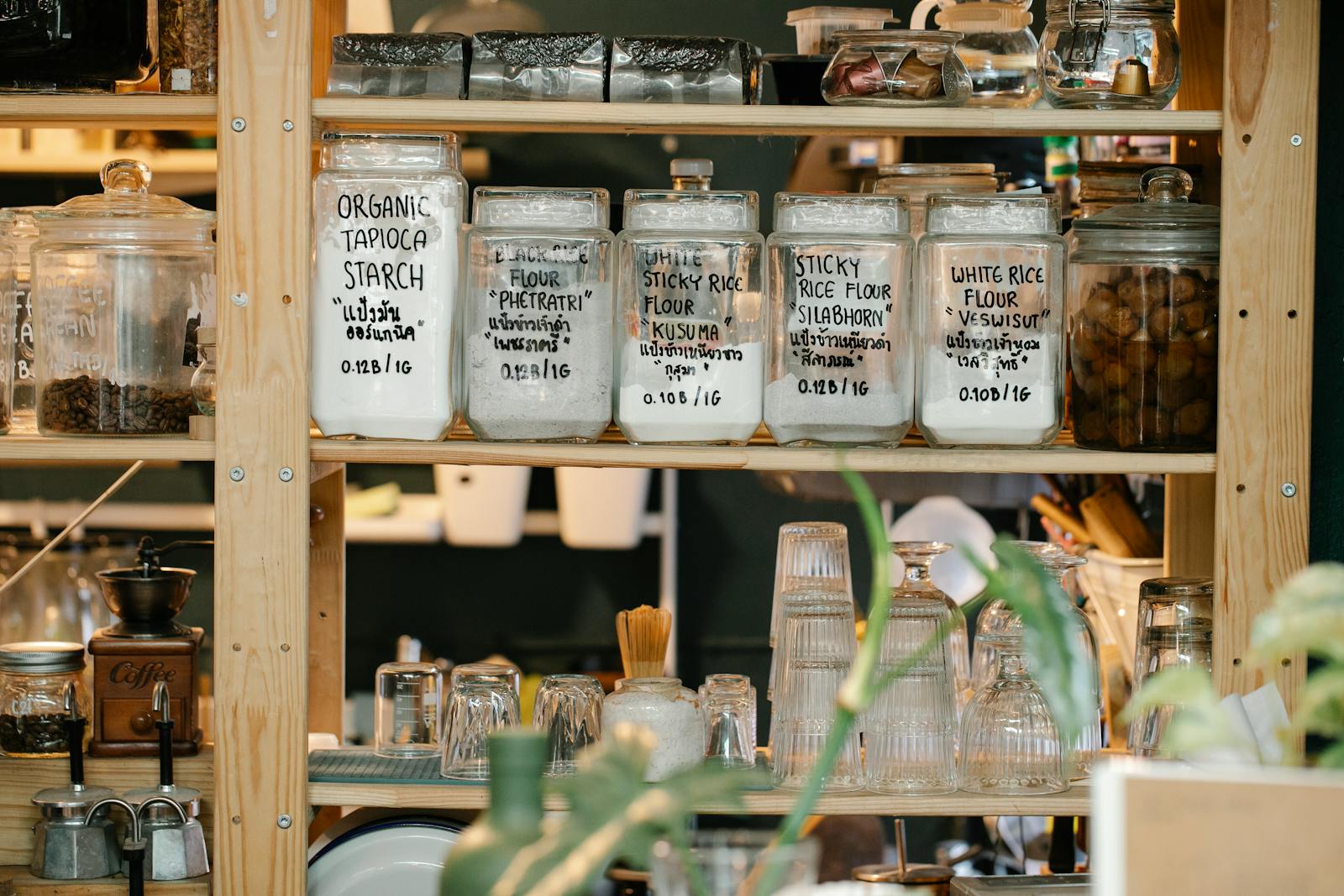
Imagine walking into your pantry and seeing rows upon rows of colorful jars filled with the fruits of your labor—literally. Each one is a testament to your commitment to self-reliance, a trove of vibrant vegetables, hearty grains, and sweet preserves, all harvested from your own land.
Creating a self-sufficient pantry from your homestead harvest not only fills your shelves but also your soul, offering a profound sense of accomplishment and security.
As supply chains waver and the importance of sustainability grows, more people are turning back to the land, cultivating their own food, and seeking autonomy in an unpredictable world.
Building this pantry treasure trove requires more than just planting seeds in the ground; it’s about harnessing the full potential of your homestead. From canning to fermenting, drying to freezing, the methods of preserving your harvest are as diverse as the produce itself.
Consider the joy of opening a jar of homemade tomato sauce in the depths of winter and being transported back to a sunlit garden in July. This journey of creating a self-sufficient pantry goes beyond practicality—it's an art and a lifestyle choice that connects you deeply with your environment and nurtures both body and spirit.
Essential Pantry Staples for Self-Sufficiency
Establishing a self-sufficient pantry begins with stocking up on the essentials—those versatile ingredients that serve as the foundation for countless meals.
At the heart of every pantry should be a selection of long-lasting basics: dried beans and legumes, whole grains like rice and oats, high-quality cooking oils, and shelf-stable proteins such as canned fish or powdered eggs.
These items not only provide nourishment but also add flexibility to your meal plans when fresh produce runs low. In addition to staples, consider including a variety of flavor enhancers that elevate simple dishes.
Salt, pepper, vinegars, and a handful of sturdy spices like paprika, cumin, and cinnamon will impart depth and complexity to your cooking. Don’t overlook sweeteners—honey, maple syrup, or homemade fruit syrups—and baking essentials like flour, sugar, and yeast if you plan to bake bread and pastries.
By ensuring your pantry is stocked with these critical components, you build a resilient base for Creating a Self-Sufficient Pantry from Your Homestead Harvest, empowering you to craft nourishing meals even in lean times.
Growing and Harvesting for Long-Term Storage
Successful preservation starts long before jars hit the shelves; it begins in the garden. When planning your homestead’s layout, prioritize crops known for their storage qualities.
Root vegetables—carrots, beets, and potatoes—store well in a cool, dark root cellar. Winter squash varieties like butternut and acorn keep for months, providing essential vitamins during colder seasons.
Timing your harvest correctly is crucial. Allow fruits and vegetables to mature fully on the vine or in the ground for maximum sugar and nutrient content. Handle produce gently to avoid bruising, which can lead to spoilage.
Once harvested, cure certain veggies—like bulbs of garlic or onions—in a dry, ventilated area to extend shelf life. This careful approach to growing and harvesting lays the groundwork for all subsequent preservation methods, ensuring that what you store today feeds you tomorrow.
The Art of Canning
Canning is a time-honored technique for locking in the flavors and nutrients of summer produce. Whether you’re water-bath canning jams and pickles or pressure canning low-acid foods like tomatoes, green beans, and meats, this method creates shelf-stable jars that can last for years.
Start by sterilizing your equipment—jars, lids, and utensils—to prevent contamination. Follow tested recipes for acidity levels and processing times to ensure safety. For example, adding lemon juice to tomato sauce balances the pH and eliminates bacterial risks.
Once sealed, jars should be stored in a cool, dark place. The satisfaction of popping open a perfectly sealed jar of peaches in winter is one of the great rewards of creating a self-sufficient pantry from your homestead harvest.
Fermentation
Fermentation harnesses beneficial bacteria to preserve and transform foods while boosting their health benefits. From sauerkraut and kimchi to fermented pickles and dairy kefir, this method adds tangy complexity to your pantry offerings.
Begin with finely shredded cabbage or other vegetables, add salt to draw out moisture, and pack tightly into fermentation crocks or jars. Maintain a consistent, cool temperature, and taste periodically until the desired acidity and flavor develop.
Fermented goods not only resist spoilage but also introduce probiotics that support gut health—a powerful benefit that extends beyond mere preservation.
Drying Foods for Shelf-Stable Goodness
Drying removes moisture from fruits, vegetables, and meats, inhibiting bacterial growth and dramatically extending shelf life. Sun drying, oven drying, or using a dedicated dehydrator, you can create an array of snacks and cooking ingredients.
Slice produce uniformly to ensure even drying. Dried tomatoes, apples, herbs, and jerky make excellent additions to your pantry. Stored in airtight jars or vacuum-sealed bags, dried foods can last for months and rehydrate beautifully in soups, stews, and baking.
This lightweight, space-saving method is ideal for homesteads with limited cold storage.
Freezing Produce for Year-Round Enjoyment
Freezing locks in freshness and nutritional value, making it an indispensable preservation technique when you have ample freezer space. Blanching vegetables before freezing halts enzyme activity, preserving color and texture through the winter months.
Package produce in airtight, freezer-safe containers or bags, removing as much air as possible. Label each package with the date and contents to stay organized. Berries, corn kernels, peas, and green beans are excellent candidates for freezing.
When you defrost them, they’ll taste like summer sunshine in the dead of winter, supporting your goal of Creating a Self-Sufficient Pantry from Your Homestead Harvest.
Stocking Up on Grains and Legumes
Whole grains and legumes provide the backbone of a self-sufficient pantry, offering protein, fiber, and essential nutrients. Store dried beans, lentils, chickpeas, rice, barley, and oats in airtight containers, keeping them cool and dry to prevent pests and spoilage.
Rotate your stock periodically, using older items first. You can also invest in vacuum sealing or Mylar bags with oxygen absorbers for multi-year storage. With these staples on hand, you’ll always have the makings for hearty soups, stews, porridge, and grain bowls—the ultimate comfort foods during lean seasons.
Preserving Herbs and Spices from Your Garden
Fresh herbs can transform simple dishes into culinary delights, but they’re seasonal. Drying, freezing, or infusing herbs into oils and vinegars preserves their aromatic qualities for year-round use.
Hang bundles of rosemary, thyme, oregano, or basil in a warm, dry area to air-dry, then crumble and store in glass jars away from light. Alternatively, chop herbs and freeze them in ice cube trays with olive oil or water for quick additions to sautés and soups.
Infused vinegars and flavored salts offer another way to capture garden flavors. By preserving herbs and spices from your garden, you ensure each meal benefits from the freshest possible taste, regardless of the calendar month.
Organizing and Rotating Your Self-Sufficient Pantry
Having a well-stocked pantry is only half the battle—organization and rotation are equally important. Label every jar and container with contents and dates. Group similar items together: canned goods on one shelf, dried grains and legumes on another, and preservation tools within arm’s reach.
Implement the “first in, first out” rule by placing newer items behind older ones to ensure nothing gets forgotten. Regularly inspect your pantry for signs of spoilage or pests.
A tidy, well-maintained pantry not only reduces waste but also makes meal planning and prep a breeze, reinforcing the autonomy you’ve achieved by Creating a Self-Sufficient Pantry from Your Homestead Harvest.
The Fulfillment of a Self-Sufficient Pantry
Building a self-sufficient pantry from your homestead harvest is more than a practical exercise—it’s a deeply rewarding journey. Each jar, bag, and bundle represents hours of gardening, foraging, and preserving, culminating in a personal food system you can trust.
As you open those jars in the dead of winter, you’ll taste not only the flavors of your garden but also the satisfaction of independence. Through careful planning, preservation, and rotation, your pantry becomes a symbol of resilience—proof that with a little effort, you can secure nourishment for body and soul.

0 Comments