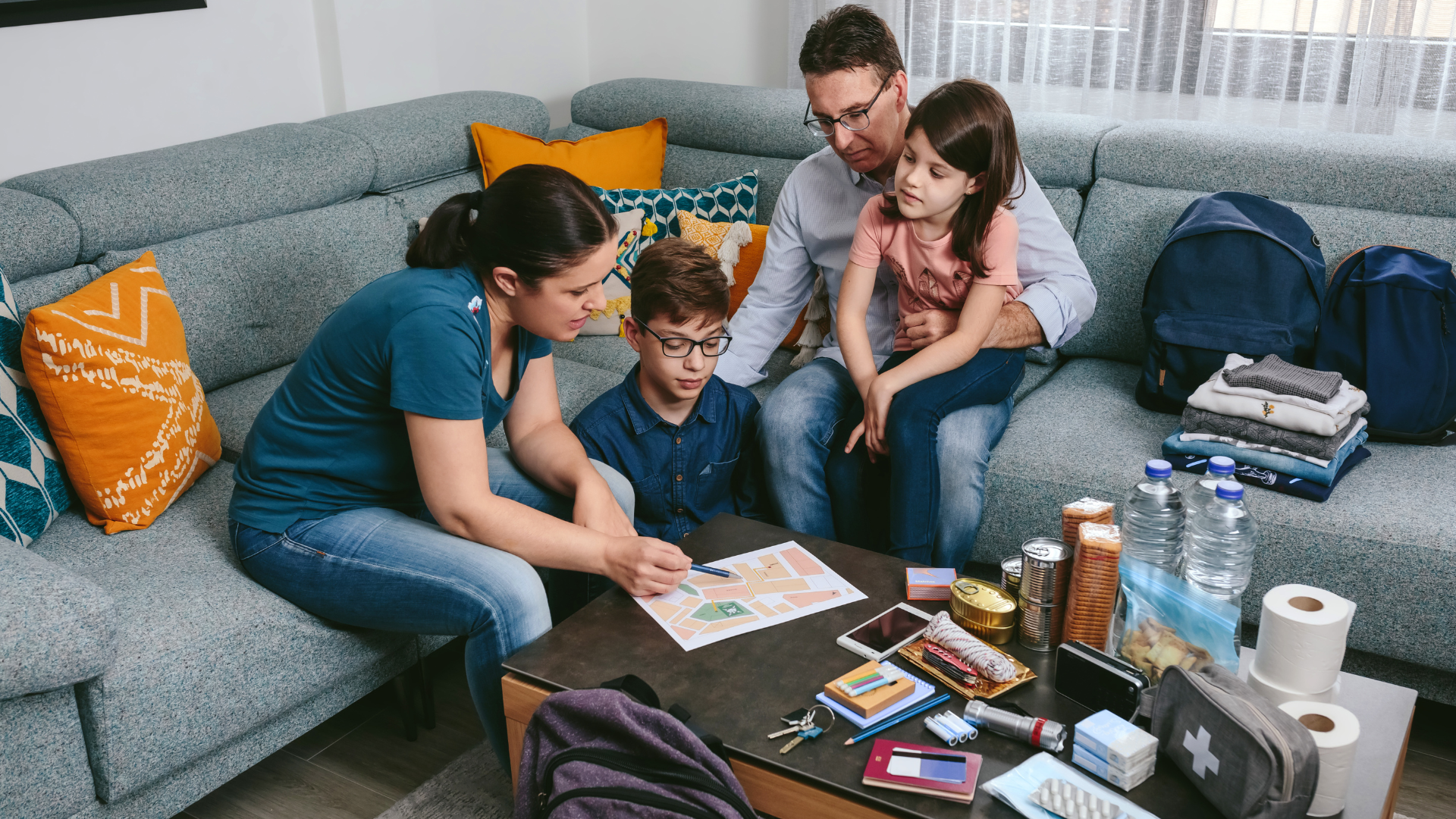
Imagine being caught off guard by an emergency, the power flickering out with an ominous buzz, or the ground beneath you tremoring unexpectedly. As adults, it's daunting enough, but think of the experience through the eyes of a child. How do you ensure their safety and comfort in those critical moments?
Having a well-prepared 72-hour kit is like offering a lifeline, not just with survival essentials but also with items that keep children calm and reassured amid the chaos. The difference between distress and relative peace can often come down to what's in your kit.
When it comes to Kid-Friendly Essentials, thoughtful preparation can transform any potential crisis into a manageable experience. More than just food and water, these kits should include familiar comforts and practical tools tailored to young ones' unique needs.
In this post, we’ll dive deep into the must-have items that can turn a potentially overwhelming scenario into one where children feel secure and cared for. From personalized notes to their favorite snacks, discover how the right choices can make all the difference when life throws the unexpected at you.
Clothing and Comfort Items
Keeping children warm, dry, and comfortable is a top priority in any emergency. Start with layering: pack a lightweight, moisture-wicking shirt and a long-sleeve fleece or sweatshirt. Include a sturdy pair of pants that can handle rough play or crawling, plus a weatherproof jacket with a hood.
Don’t forget extra socks and underwear—two changes each—to ensure kids stay dry and reduce the risk of blisters or skin irritation. Beyond basic clothing, comfort items go a long way toward emotional stability. A favorite blanket or small stuffed toy can soothe fears when routines are upended.
A cozy hat and gloves are essential if temperatures drop, and a pair of slip-on shoes or sandals can protect little toes from debris. By thinking through the clothing and comfort items segment of Kid-Friendly Essentials: What to Include in a 72-Hour Kit for Children, you give youngsters both physical protection and emotional reassurance, helping them feel wrapped in familiarity even when everything else feels uncertain.
Personalized Notes and Documentation
Personalized documentation helps adults act quickly and ensures children are reunited with caregivers if separated. Include photocopies of birth certificates, health insurance cards, and any legal guardianship paperwork. Store these documents in a waterproof pouch or resealable plastic bag to keep them safe from moisture and damage.
Equally important are handwritten notes from parents or guardians. A simple message—“Mom loves you,” or “We’re coming to get you”—can calm anxious hearts faster than you might think. Add recent family photos so kids recognize the faces they might see in shelters or evacuation centers.
Bundling these personalized notes and documentation together bridges the gap between logistical necessity and emotional comfort, solidifying trust and easing the stress of an already overwhelming situation.
Entertainment and Distraction Supplies
Long waits are inevitable in emergencies, and boredom can quickly turn to distress. Pack compact, quiet games like card decks, magnetic travel puzzles, or small coloring books with crayons. Choose items that don’t require power—think sticker books, simple board games, or Mad Libs—to ensure uninterrupted fun.
For older children, include a deck of flashcards, brain teasers, or a pocket-sized journal and pencil. The goal is to occupy wandering minds with engaging activities that minimize anxiety and boost morale. By planning for entertainment and distraction supplies, you create pockets of normalcy in abnormal times, helping kids focus on play rather than panic.
Hygiene and Sanitation Products
Maintaining hygiene prevents illness and keeps children comfortable. Start with travel-size hand sanitizers and unscented wet wipes for quick cleanup. Include a small pack of tissues and resealable plastic bags to contain used wipes or disposable diapers. If your kit covers infants or toddlers, add diaper rash cream and a few disposable changing pads.
Toothbrushes, toothpaste, and a small bar of gentle soap are critical for oral and skin health. A compact toothbrush cover and travel toothpaste tubes make these essentials more hygienic. A quick-dry microfiber towel takes up minimal space and dries rapidly after use.
Overall, these hygiene and sanitation products form the cornerstone of a kit that keeps children clean, comfortable, and healthy when regular facilities aren’t available.
Special Dietary Needs Considerations
Children with allergies, intolerances, or strict dietary requirements need tailored provisions. Pack at least three days’ worth of safe, ready-to-eat foods such as gluten-free granola bars, nut-free energy bars, or lactose-free milk cartons. Label each item clearly to avoid confusion during stressful moments.
If your child requires formula, powdered supplements, or specific medical foods, include measured servings and the necessary preparation tools—clean scoops, measuring cups, and sterilized water packets. Rotate these items periodically to ensure freshness.
This attention to special dietary needs ensures that no child goes hungry or suffers adverse reactions during an emergency.
Medical Supplies and Prescription Medications
Even minor injuries and chronic conditions must be managed on the go. Assemble a child-friendly first aid kit with adhesive bandages of various sizes, antiseptic wipes, sterile gauze pads, and medical tape. Include a digital thermometer and any over-the-counter medications your child tolerates well, such as children’s acetaminophen or ibuprofen.
For prescription medications, always keep a three-day supply in a clearly labeled container. Include dosage instructions, written consent forms if needed, and contact information for the prescribing physician. Store medications in a cool, dry section of the kit.
Having these medical supplies and prescription medications ready can prevent a minor glitch from turning into a serious health issue under emergency conditions.
Important Contact Information
Quick access to contact details is vital if families become separated or require assistance. Compile a list that features parent or guardian cell numbers, work numbers, and a few emergency contacts such as close friends or neighbors. Also include pediatrician information and local emergency services numbers.
Write this information on waterproof index cards and place them in multiple sections of the kit—inside a wallet-size pouch and the main compartment. A laminated copy displayed near your kit or in your child’s backpack provides another layer of accessibility.
In a moment of panic, having important contact information at your fingertips restores a semblance of order and connection.
Educational and Learning Materials
Even brief periods of downtime can become learning opportunities. Include a small stack of flashcards—alphabet, numbers, or simple math problems—to keep minds active. A child-friendly field guide to local flora and fauna or a star map can spark curiosity and provide an educational diversion while waiting out the crisis.
A lightweight workbook or a few pages of reusable tracing templates with a dry-erase marker make practice fun and eco-friendly. These educational and learning materials serve a dual purpose: they distract youngsters from stress and reinforce classroom learning, giving parents peace of mind that their children’s intellectual needs are also being met.
Safety and Security Tools
Enhancing a child’s sense of safety goes beyond managing physical risks; it includes reassuring them psychologically. In your kit, pack a small whistle for each child to signal for help if separated. A reflective safety vest or bright band can make kids more visible in low-light scenarios.
Teach children how to use a simple compass or include glow sticks to light their immediate surroundings. A pocket-sized flashlight with extra batteries gives them a small measure of control in darkness. These safety and security tools empower children, helping them feel like active participants in their own protection rather than passive observers of chaos.
Ensuring Children's Well-Being in Emergencies
Putting together a comprehensive 72-hour kit means balancing survival basics with emotional and educational support. By including kid-friendly clothing, comfort items, and engaging distractions, you address both physical needs and the mental well-being of young ones.
From personalized notes to vital medical supplies, each component plays a pivotal role in transforming a frightening situation into a more manageable experience. These carefully selected Kid-Friendly Essentials: What to Include in a 72-Hour Kit for Children ensure that, no matter what comes your way, your child’s safety, comfort, and security remain firmly in hand.


0 Comments