
As the chill of winter wraps its icy fingers around your off-grid haven, maintaining warmth becomes not just a comfort but an essential aspect of survival. It's not just about battling the cold; it's about harnessing reliable sources of heat in an environment that relies on self-sufficiency and ingenuity.
Living off-grid presents unique challenges, and finding dependable heat sources is no exception. Picture yourself huddled under a thick blanket, sipping hot cocoa, and feeling utterly snug while the world outside turns into a snowy wonderland.
This isn't just a dream—it's entirely achievable with the right approach to warming your home. Delving into how to stay warm off the grid can be an enlightening journey. Did you know that nearly 1.7 billion people around the world live without reliable access to electricity?
For these individuals, keeping warm is a daily puzzle that requires resourcefulness and creativity. Whether you're an off-grid enthusiast seeking sustainable solutions or someone preparing for emergencies, understanding effective heat sources can make all the difference.
Imagine transforming your space into a cozy oasis through innovative techniques that not only promise warmth but also align with your eco-conscious values. Let's explore these methods and ensure that even the harshest winter can't pierce your sanctuary's welcoming warmth.
The Importance of Reliable Heat Sources
When you choose to live off the grid, you trade the comfort of centralized utilities for independence and self-reliance. In such a setting, your choice of heat sources becomes critical not only for comfort but also for safety.
Reliable heating prevents pipes from freezing, reduces health risks associated with prolonged exposure to cold, and maintains structural integrity of your dwelling. A consistent heat supply guards against mold growth and moisture damage while boosting morale during long winter nights.
Understanding the role of dependable heating is the first step in crafting a living space that’s both habitable and secure. Moreover, off-grid living often places you in remote locations where extreme weather can exacerbate challenges.
You might be miles from the nearest hardware store or fuel supplier, making it imperative to select heating systems that require minimal upkeep and can be fueled by readily available resources.
Evaluating your environment—climate patterns, local fuel availability, and shelter design—will guide you toward the most suitable solutions. By building a resilient heating strategy, you lay the foundation for comfort, health, and independence, all essential aspects of how to stay warm off the grid: heat sources that work.
Wood-Burning Stoves
Wood-burning stoves have been a cornerstone of off-grid heating for centuries. They deliver substantial warmth, often radiating heat for hours after the fire has died down, thanks to their cast-iron or steel construction.
Many models are designed for efficiency, featuring airtight doors, removable ash pans, and secondary combustion systems that burn off gases and particulates. Beyond heating, these stoves can also serve as cooktops or water heaters, adding further versatility to your off-grid home.
However, incorporating a wood stove requires thoughtful planning. Burnable fuel needs to be sustainably sourced: fallen branches, managed firewood lots, or coppiced woodlands.
Adequate chimney installation, clearances from combustible materials, and regular cleaning of flues are mandatory for safe operation. You’ll also need to learn best practices for maintaining a clean burn to reduce creosote buildup and lower emissions.
With proper setup and care, wood-burning stoves offer a time-tested, resilient heating solution for off-grid enthusiasts.
Solar Heating Systems
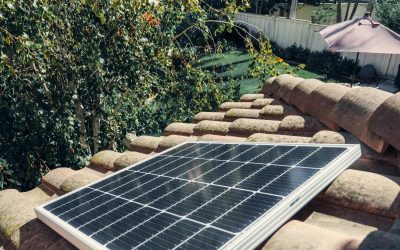
Solar heating systems convert sunlight into heat for space warming and water heating. Passive solar design relies on building orientation, strategic window placement, and thermal mass materials like concrete or stone to absorb and slowly release heat.
Active solar systems use solar collectors—panels filled with heat-transfer fluid—to capture energy and circulate it through radiators or underfloor piping. On sunny days, these systems can provide significant warmth without fuel costs or emissions.
While solar heating shines as a clean alternative, challenges include variable sunlight, panel orientation, and upfront investment. Performance can drop during overcast days or shorter winter daylight hours, necessitating backup sources.
Additionally, active systems require pumps, controllers, and occasional maintenance. Despite these considerations, solar heating remains a vital component in your toolkit, complementing other off-grid strategies to ensure continuous comfort.
Geothermal Heating
Geothermal heating taps into the relatively stable temperatures beneath the Earth’s surface. Ground-source heat pumps circulate a fluid through buried loops, absorbing warmth from the soil and transferring it indoors.
This method boasts high efficiency—up to four times more output than the electricity it consumes—making it an attractive option for sustainable off-grid living. Installation involves drilling or trenching to lay underground piping, which may be cost-intensive and require specialized equipment.
Soil composition, land availability, and climate all influence feasibility and performance. Once in place, however, geothermal systems offer long lifespans, low operating costs, and minimal maintenance.
The upfront investment can be offset over time by energy savings, positioning geothermal heating as a dependable choice in regions where solar or wind resources fluctuate.
Propane Heaters
Propane heaters deliver quick, controllable heat and are widely used in off-grid cabins, workshops, and temporary shelters. Available in portable and stationary models, they offer outputs ranging from a few thousand to tens of thousands of BTUs.
Modern propane furnaces can integrate thermostatic controls, timers, and ductwork to distribute warmth evenly throughout your living space. While propane is a fossil fuel, its clean combustion produces minimal soot and CO₂ relative to wood or kerosene.
Storage requires sturdy tanks, proper ventilation, and adherence to safety regulations. Refilling logistics—whether from local suppliers or scheduled deliveries—should be planned in advance to avoid shortages.
When combined with renewable backup systems, propane heaters can bridge gaps during extended periods of low solar or wind availability.
Insulation Techniques
Efficient insulation is the keystone of any off-grid heating strategy. By minimizing heat loss, you reduce energy demands and prolong the runtime of your heat sources.
Insulation materials range from traditional fiberglass batts to natural options like sheep’s wool, cellulose, or straw bales. Each material offers different R-values, moisture resistance, and ease of installation.
Attention to detail—sealing gaps around doors, windows, and piping penetrations—ensures that warm air stays inside. Super-insulated wall and roof assemblies, double- or triple-pane windows, and insulated doors can dramatically cut heating requirements.
Whether you tackle insulation as a DIY project or enlist professionals, tightening your building envelope will pay dividends in comfort and efficiency.
Emergency Heat Sources
Crisis situations—power outages, fuel shortages, or extreme storms—underscore the importance of backup heat sources. Portable propane or kerosene heaters, thermal mass packs, catalytic heaters, and even simple hand warmers can provide critical warmth.
Light-emitting chemical heat packs and heat-retaining emergency blankets also serve as last-resort options when conventional systems fail. Safety is paramount: operate any combustion-based device in a well-ventilated area, keep CO detectors on every level, and store fuel securely.
Regularly rotate emergency supplies and test equipment before the cold season strikes. A robust emergency plan ensures you can respond quickly and maintain comfort until primary systems are restored.
Heat Management Tips for Optimal Efficiency
Beyond selecting heat sources, how you manage them greatly impacts overall performance. Zone heating—closing off unused areas and focusing warmth where you spend most time—can drastically reduce fuel consumption.
Using reflective panels behind stoves, ensuring ceiling fans are on reverse to push warm air down, and employing thermal curtains at night all help retain heat. Routine maintenance—cleaning flues, inspecting seals, calibrating thermostats—keeps systems running at peak efficiency.
Tracking indoor temperatures and adjusting schedules based on occupancy patterns can prevent waste. Combining behavioral habits with technical measures creates a harmonized approach that maximizes comfort while conserving resources.
Comparing the Cost and Sustainability of Different Heat Sources
When choosing among wood stoves, solar, geothermal, propane, and emergency options, balance initial investment against long-term operating costs and environmental impact. Wood and solar systems often have higher upfront labor or equipment costs but low fuel expenses.
Propane is convenient but entails recurring purchase costs and reliance on fossil fuels. Geothermal demands significant installation outlay, yet offers exceptional efficiency and low maintenance. Sustainability considerations—carbon footprint, resource renewability, and local ecosystem effects—also shape decisions.
Integrating multiple heat sources, complemented by superior insulation and smart management, can optimize both budget and ecological footprint. Ultimately, your ideal combination depends on site-specific factors, personal priorities, and how to stay warm off the grid: heat sources that work for your unique scenario.
Embracing Warmth and Sustainability Off the Grid
Living off the grid doesn’t mean sacrificing comfort. By combining proven methods—wood stoves, solar collectors, geothermal loops, and propane backups—with robust insulation and smart heat management, you build a resilient heating strategy that withstands winter’s worst.
Each heat source has its strengths and trade-offs, but together they form a comprehensive defense against cold. Embrace resourcefulness and stay prepared with emergency backups. As you refine your system, you’ll find the perfect balance between reliability, cost-effectiveness, and environmental stewardship.
With these tools and techniques in hand, even the most frigid nights become opportunities to showcase how off-grid living can be both cozy and sustainable.



0 Comments