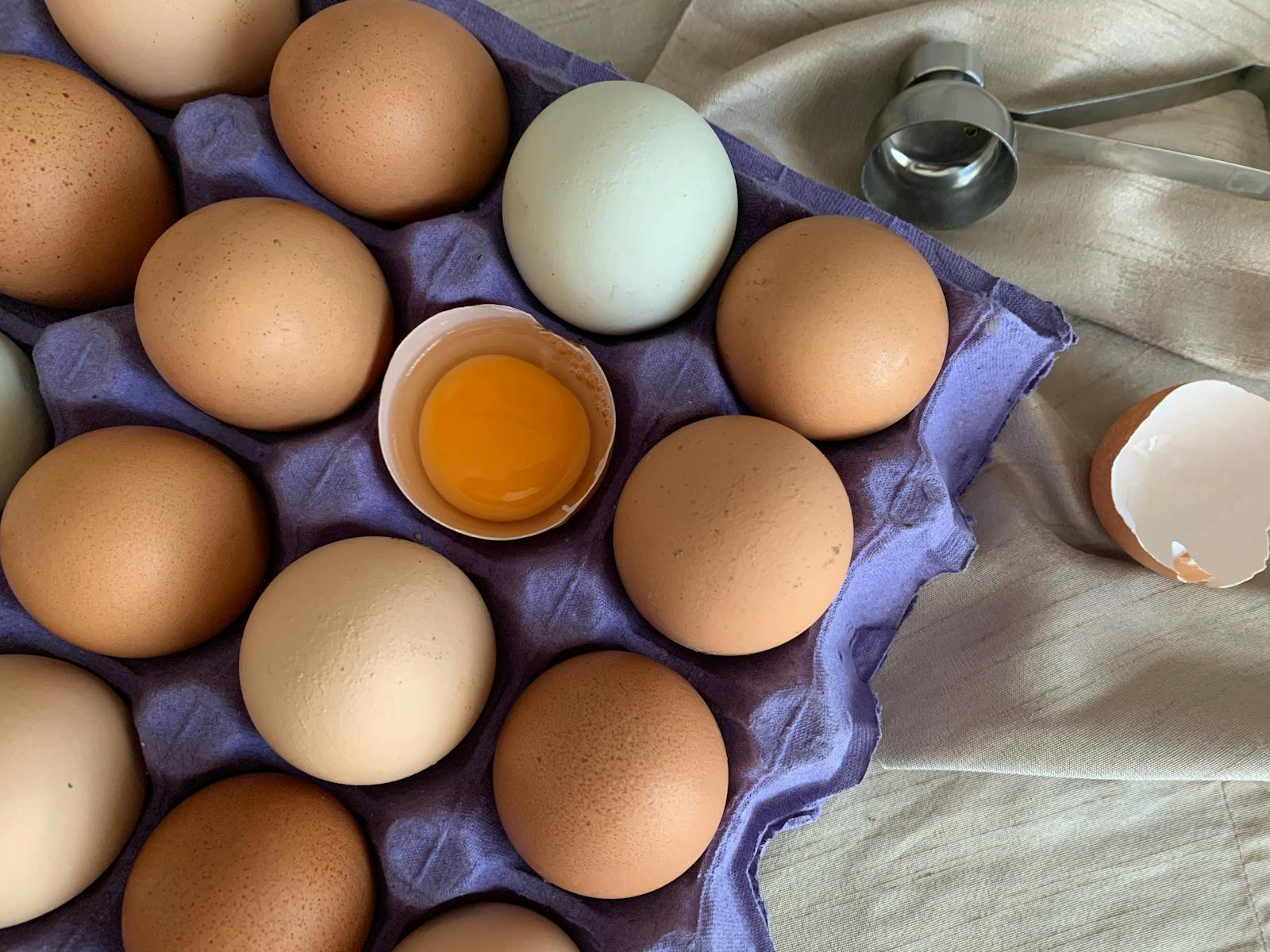
Imagine waking up in the morning, making your way to a quaint chicken coop in your backyard, and gathering fresh eggs still warm from the hen. The allure of having a constant supply of home-grown eggs is undeniable, but it leads to a crucial question that often puzzles aspiring backyard farmers: How many chickens do you really need for eggs year-round?
It's a delicate balance—too few hens might leave you short, while too many could become overwhelming to manage. Determining the ideal flock size requires more than a simple headcount.
It involves understanding egg-laying patterns, breed characteristics, and even seasonal changes in daylight hours. Did you know that factors like temperature and daylight can significantly impact egg production?
For instance, hens typically lay fewer eggs during shorter winter days, which means planning ahead is essential. Dive into our blog post to uncover insights that will help you calculate the perfect number of chickens necessary to provide a steady egg supply throughout the year, ensuring you never run out or have more than you can handle.
Factors Affecting Egg Production
Egg production in backyard flocks hinges on several interconnected factors that influence how consistently hens lay eggs. Nutrition stands at the forefront—without a balanced diet rich in protein, calcium, and essential vitamins, hens cannot produce strong eggshells or maintain regular laying cycles.
Quality layer feed supplemented with oyster shells and kitchen scraps can boost both quantity and quality of eggs, but too many treats can upset the nutritional balance.
Environmental stressors also play a pivotal role. Fluctuations in temperature, overcrowding within the coop, and predator threats can all inhibit egg-laying behavior as hens divert energy toward coping with stress.
Proper coop design, including sufficient space per bird, secure fencing, and consistent routine cleaning, mitigates stress and supports steady production.
Additionally, health issues such as parasites or respiratory infections drastically reduce laying rates—regular veterinary checks and preventative measures like dust baths and bedding changes are key to a healthy, productive flock.
Lastly, genetic factors determine a hen’s natural laying potential. Some breeds are prolific layers, while others offer dual-purpose benefits or excel in meat production. By understanding how nutrition, environment, health, and genetics converge, you can optimize conditions to support maximum egg output throughout the seasons.
Understanding Egg-Laying Patterns
Hens follow predictable cycles of laying and resting, influenced by age and breed. Most chickens begin laying around 18–20 weeks of age, reach peak production at about one year old, and gradually taper off as they age.
Week-to-week fluctuations can occur—hens commonly take “rest days” after several consecutive laying days. Tracking individual laying patterns in a small flock helps forecast total egg yield.
Recording daily collections against each hen’s band or color-coded tag reveals performance trends, enabling you to adjust flock size or replace underperformers as needed.
Choosing the Right Chicken Breeds
Selecting breeds tailored to your climate, coop conditions, and laying goals is critical to achieving reliable egg production. Some of the most productive layers include White Leghorns, Golden Comets, and Australorps, each known for high annual egg counts ranging from 250 to 300 eggs per hen.
Conversely, heritage breeds like Orpingtons and Barred Rocks lay slightly fewer eggs but excel in cold tolerance and brooding instincts. Beyond productivity, consider temperament and adaptability.
Friendly, docile breeds facilitate handling and are ideal for families with children, while more territorial varieties may require additional management. Heat-tolerant breeds such as Rhode Island Reds and Sussex thrive in warmer climates, whereas cold-hardy breeds like Wyandottes and Plymouth Rocks withstand harsh winters with minimal supplemental heating.
By matching breed characteristics to your local environment and personal preferences, you’ll ensure both happy hens and a year-round egg supply.
Calculating Daily Egg Consumption
To determine how many chickens you need, start by assessing household egg usage. A family of four might consume anywhere from six to twelve eggs per week, depending on dietary habits and recipes.
Creating a simple log for a month will reveal average weekly and monthly consumption, allowing accurate projections for flock requirements. Factor in occasional guests, holiday baking, or potential wastage due to breakage.
If your household averages ten eggs per week, you’ll need approximately 520 eggs annually. Assuming an average laying rate of 250 eggs per hen per year, about two to three hens should suffice—though adding one or two extra birds provides a buffer to account for molting or unexpected drop-offs in production.
Managing Seasonal Variations
Seasonal changes dramatically affect egg production. During winter, shorter daylight hours and colder temperatures slow laying rates. Hens naturally conserve energy for survival rather than reproduction, leading to potential declines of 30–50% in egg output.
Conversely, spring and early summer bring longer days and improved foraging opportunities, often pushing hens into a peak-laying phase. Anticipating these fluctuations by adjusting flock size or supplementing with store-bought eggs during lean months ensures a consistent supply.
The Impact of Daylight Hours
Light exposure directly influences a hen’s reproductive cycle through hormonal responses. In natural settings, laying peaks when daylight exceeds 12–14 hours, while production slows as days shorten. In colder climates, winter days may drop below optimal light thresholds, prompting a decline in egg-laying.
To counteract this, many backyard keepers install timed supplemental lighting inside the coop. Providing a gentle dawn-to-dusk glow for a total of 14–16 hours simulates longer days, encouraging hens to maintain consistent laying patterns through the darkest months.
Creating a Sustainable Flock Size
When asking “How Many Chickens Do You Really Need for Eggs Year-Round?” the answer depends on balancing production potential with management capacity. Calculate required annual eggs, divide by average eggs per hen, and adjust for seasonal lay dips.
For example, if you need 600 eggs per year and each hen lays about 250 eggs, you’d start with three hens and add one more as a buffer. Be sure to account for culls and replacements.
A rotating cycle—introducing pullets as older hens retire—maintains steady output without sudden shortages. This sustainable approach prevents overcrowding, reduces stress, and keeps your flock healthy and productive indefinitely.
Balancing Supply and Demand
Overestimating flock size results in surplus eggs that may go to waste or require extra storage, while underestimating may leave your kitchen empty-handed. Aim for a modest surplus—about 10–20% more eggs than your average consumption—to cover unexpected drop-offs or special occasions.
Selling or gifting extra eggs fosters community connections and offsets feed costs, turning surplus into a benefit rather than a burden. Monitor flock performance quarterly and adjust numbers accordingly.
If production consistently exceeds demand by a large margin, consider rehoming older hens. Should your supply fall short, evaluate adding more laying breeds or improving coop conditions for better output.
Tips for Maintaining Egg Production
Consistent egg production hinges on optimal hen health and comfort. Maintain a high-quality, balanced diet year-round, supplementing with calcium sources like crushed oyster shell to prevent thin shells. Provide clean, fresh water daily—freeze-proof your waterers in winter to avoid dehydration.
Ensure your coop and run offer adequate space, good ventilation, and regular cleaning to limit disease spread. Incorporate dust baths to control mites and lice, and rotate bedding to maintain dryness and hygiene. Finally, stick to a consistent daily routine for feeding and coop checks; routines reduce stress and encourage predictable laying patterns.
Conclusion
Determining how many chickens you need for a year-round egg supply requires careful planning around breed selection, environmental management, and consumption habits.
By calculating your average egg usage, understanding seasonal and daylight influences, and choosing productive breeds, you can establish a sustainable flock size tailored to your household needs.
Implementing transparent records, supplemental lighting, and regular health checks will keep your hens laying consistently, ensuring you enjoy fresh, backyard eggs every day without the guesswork.




0 Comments