In an era where sustainability and preparedness are more than just buzzwords, finding the right method for storing water is crucial. Whether you're a dedicated prepper, a committed environmentalist, or simply someone who values efficiency and convenience, the decision between water storage barrels and stackable containers is not one to be taken lightly.
Each option offers distinct advantages and challenges, shaping the way we think about water conservation and emergency readiness. Understanding these differences can radically change how you manage your water resources, ensuring you remain well-prepared in any situation, be it a natural disaster or a simple power outage.
Diving into the world of water storage solutions, one might feel overwhelmed by the abundance of choices, each promising unparalleled benefits. However, the real question lies in identifying which option aligns best with your specific needs and lifestyle.
Are you more inclined towards the robustness and capacity of traditional water storage barrels? Or does the space-saving design and versatility of stackable containers appeal to you more?
In this insightful exploration of Water Storage Barrels vs. Stackable Containers, we'll dissect these options, offering you clarity and the confidence to make an informed decision that supports your goals for water security and sustainability.
Size and Capacity
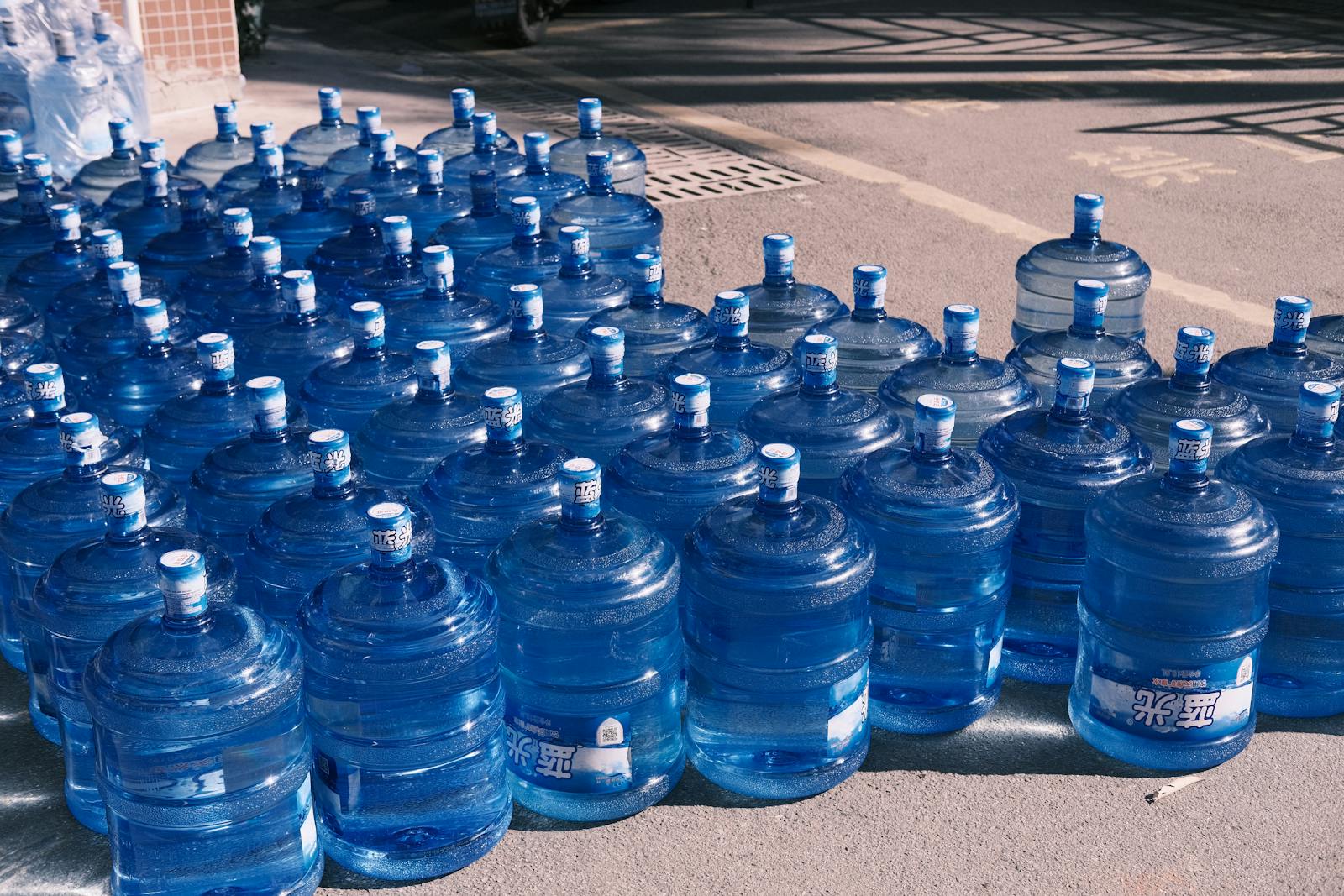
When comparing Water Storage Barrels vs. Stackable Containers, the most obvious distinguishing factor is the sheer volume each can hold. Traditional water storage barrels typically range from 55 to 95 gallons per barrel, making them a go-to choice for those who require large reserves.
These barrels are often cylindrical and tall, meaning they can be filled deeply and are suitable for bulk water storage in basements, garages, or dedicated storage rooms.
Their capacity makes them ideal for families or communities that want to ensure they have enough water for extended emergencies or off-grid living. On the other hand, stackable containers usually come in smaller increments—often between 5 and 20 gallons each—but they excel by being modular.
You can stack them horizontally or vertically, combining multiple units to reach the desired capacity. While you may need several units to match the volume of a single barrel, the flexibility in adding or removing containers based on your immediate needs is a major advantage.
This adaptability means you can start small and expand your storage over time without a huge upfront investment. Ultimately, if maximum volume is your priority, barrels win out. But for those who value incremental growth and custom configuration, stackable containers can be the better choice.
Durability and Longevity
Durability is a critical factor when investing in water storage solutions. Water Storage Barrels vs. Stackable Containers diverge significantly in material strength and lifespan. Water storage barrels are often constructed from high-density polyethylene (HDPE), which is thick and rigid, making them resistant to impact, UV rays, and extreme temperatures.
When properly cared for—kept out of direct sunlight and regularly inspected—HDPE barrels can last upwards of 20 years. This longevity ensures that you won’t have to replace your barrels frequently, offering both reliability and peace of mind.
Stackable containers, although also frequently made from polyethylene or polypropylene, tend to have thinner walls to facilitate stacking and handling.
While modern plastics used in these containers are BPA-free and FDA-approved for potable water, the thinner construction can lead to faster wear and potential warping over time, especially if exposed to varying temperatures or heavy stacking loads.
Nevertheless, advancements in plastics technology have improved their robustness, and many high-quality stackable containers can still last 10 to 15 years if maintained correctly.
For long-term durability, barrels have the edge, but for medium-term flexibility, stackable containers remain a viable and cost-effective option.
Portability and Mobility
One of the biggest considerations in the Water Storage Barrels vs. Stackable Containers debate is how easily you can move your stored water. Traditional barrels, when full, can weigh over 450 pounds, making them virtually immovable without specialized equipment such as forklifts or drum dollies.
Even empty barrels can be awkward to maneuver due to their bulky shape. Consequently, once positioned, they generally stay put, which is suitable for permanent or semi-permanent setups but less ideal if you anticipate frequent relocation.
In contrast, stackable containers are designed with portability in mind. Their compact size and integrated handles allow for single-person transport when empty, and even when filled to capacity (usually under 20 gallons), they remain manageable for most adults.
This makes them perfect for camping trips, temporary disaster response setups, or for those who may need to move water between different parts of a property. The modular nature also means you can distribute weight across multiple carriers, reducing the risk of strain or injury.
For anyone prioritizing mobility and ease of deployment, stackable containers clearly outshine the more static barrels.
Space Efficiency
Space is often at a premium, especially in urban or indoor environments. In the comparison of Water Storage Barrels vs. Stackable Containers, how each solution fits into your available footprint is an essential factor.
Barrels, with their large cylindrical design, typically require more floor space and can leave awkward gaps between units if you try to arrange more than one. This inefficiency can limit the total volume you can store in a confined area.
Conversely, stackable containers are engineered to make the most of available space. Their flat sides allow units to nest closely together, and the stackable design lets you build vertically, turning a small footprint into a high-capacity water tower.
You can store several hundred gallons in the same space it would take to hold a single barrel. This versatility enables you to maximize storage in tight corners, closets, or even under stairwells.
For homeowners and urban preppers, stackable containers offer significant advantages in space utilization and customization.
Material Composition
Understanding what your water storage solution is made of is vital, as it impacts safety, taste, and regulatory compliance. Water Storage Barrels vs. Stackable Containers are both usually crafted from food-grade plastics, but there are nuances.
Barrels are most often made from high-density polyethylene (HDPE), recognized for its chemical resistance, non-reactivity, and durability under UV exposure. Because HDPE is denser than many other plastics, it provides extra protection against contaminants and helps maintain water purity over long periods.
Stackable containers also employ food-grade plastics like polypropylene (PP) or polyethylene, but they may incorporate additives to enhance stacking strength and mold resistance.
While these additives are generally safe, they can introduce minor concerns about leaching if the water is stored for extremely long durations. To mitigate any risks, reputable manufacturers will certify their containers with FDA and NSF approvals for potable water.
Whether you choose barrels or stackable containers, always verify these safety certifications to ensure your water remains uncontaminated and fresh.
Maintenance Requirements
Proper maintenance is crucial to preserving water quality, regardless of the storage type. With water storage barrels, you’ll need to periodically clean the inside with a mild bleach solution or a commercial sanitizing agent.
The large opening at the top of most barrels makes it relatively straightforward to scrub the interior walls and rinse thoroughly. You should also inspect gaskets, spigots, and seals for wear or leaks every six months to a year.
This routine upkeep helps prevent algae growth, sediment buildup, and bacterial contamination. Stackable containers generally have smaller openings and more nooks where dirt can accumulate, which can complicate cleaning.
However, many modern designs include wide-mouth caps or removable liners that simplify the process. Cleaning can be performed with bleach or non-toxic cleaning agents, but you may need specialized brushes to reach tight corners.
Additionally, you’ll want to check the integrity of interlocking rims and sealing rings to ensure a watertight stack. While both systems require maintenance, barrels offer slightly easier access, whereas stackable containers demand more attention to detail in cleaning and assembly checks.
Cost Comparison
When budgeting for your water storage system, initial cost and long-term value both matter. Water Storage Barrels vs. Stackable Containers vary widely in price based on capacity, material quality, and brand reputation.
A standard 55-gallon HDPE barrel can cost between $75 and $150, depending on features such as UV protection, spigot inclusions, and food-grade certification. While the upfront price may seem steep, the long lifespan of barrels often justifies the expense over many years of use.
Stackable containers, by contrast, might cost between $20 and $50 each for a 10- to 20-gallon unit. To match a single 55-gallon barrel, you’d require multiple containers, which can cumulatively raise your initial outlay.
On the flip side, you can purchase containers incrementally, spreading costs over time as your budget allows. Replacement parts such as lids or seals are generally inexpensive.
Overall, barrels present a cost-effective solution for large, long-term storage, while stackable containers offer lower entry costs and gradual scalability.
Environmental Impact
In assessing sustainability, it’s important to examine the environmental footprint of both Water Storage Barrels vs. Stackable Containers. HDPE barrels are recyclable at the end of their life cycle and are often manufactured using a significant amount of post-consumer recycled plastic.
Their durability means fewer replacements and less plastic waste over the long term. However, the production and transportation of large barrels can involve higher energy usage and carbon emissions compared to smaller containers.
Stackable containers, being lighter and smaller, generally require less energy to produce and ship. Their modular nature can reduce waste by allowing you to buy only what you need. Many manufacturers also offer take-back or recycling programs for old units.
On the downside, if containers need replacement more frequently than barrels, you may end up generating more plastic waste in the long run. To minimize environmental impact, choose units made with recycled materials and verify that they’re fully recyclable once they reach end of life.
Customization Options
One of the most appealing aspects of stackable containers is their high degree of customization. You can mix sizes, colors, and functionalities—such as integrated spigots or filter ports—to create a bespoke water storage system.
Some brands even offer transparent or translucent models, allowing you to monitor water levels at a glance without opening the container. In comparison, traditional barrels have fewer variations: while you can add accessories like stands, pumps, or filtration attachments, the core barrel remains a uniform cylindrical shape.
That said, barrels do offer customizability in terms of capacity and accessories. You can purchase barrel racks, gravity-fed spigot kits, or rainwater diverters that integrate directly into barrel openings.
For off-grid or garden applications, barrels can be linked via plumbing to form a gravity-fed network. Ultimately, if you value a highly tailored, flexible setup that can evolve with your needs, stackable containers are the better pick.
If you prefer a straightforward, robust system with proven track records and a few add-on options, barrels are perfectly adequate.
Conclusion
Balancing the pros and cons of Water Storage Barrels vs. Stackable Containers boils down to your specific goals: maximum volume and longevity versus modularity and ease of use.
Barrels excel in long-term durability and bulk storage, while stackable units shine in flexibility, portability, and space efficiency. Both options are made from food-grade materials and, when properly maintained, will keep your water safe for years.
Ultimately, consider your available space, budget, and how often you may need to relocate or expand your storage. By aligning these factors with the unique strengths of each solution, you’ll establish a reliable water reserve that fits your lifestyle and preparedness plans.


0 Comments