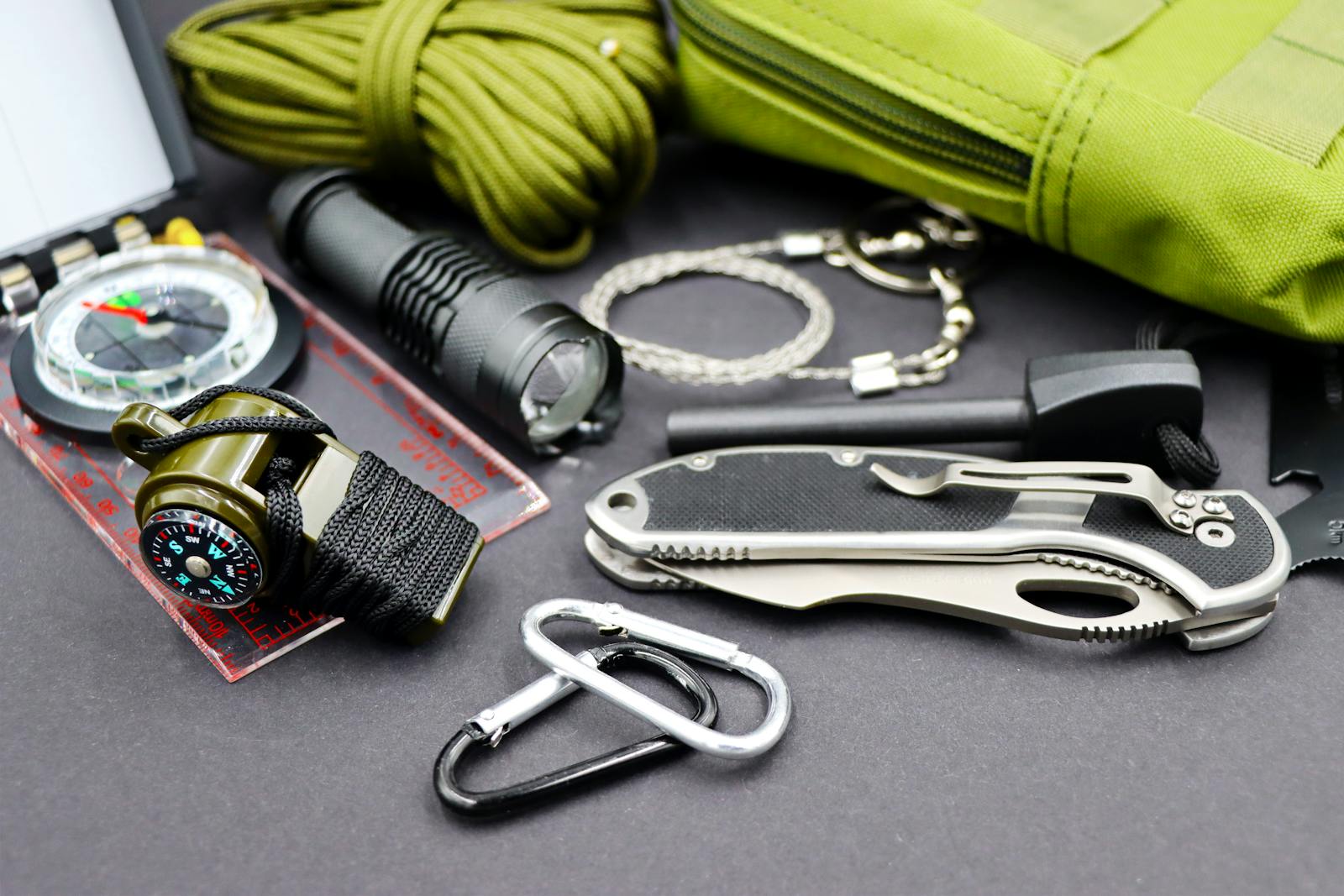
In the world of prepping, the quest for readiness is never-ending. Preppers pride themselves on being prepared for any scenario, from natural disasters to societal disruptions. Yet, a critical aspect is often underestimated: the selection of safety gear.
Many preppers focus heavily on stockpiling food and water, perhaps even weapons, yet they overlook crucial protection tools that can make all the difference when the unexpected strikes. It’s not about the quantity of gear you have, but the quality and relevance of each piece that counts.
Imagine a scenario where your meticulously planned bug-out bag leaves you in a bind because a simple item you didn’t consider becomes indispensable. This oversight can shift you from feeling secure to vulnerable in seconds.
In this post, we dive into the intricacies of safety gear every prepper overlooks until it’s too late. By understanding these often-ignored essentials, you can dramatically increase your preparedness level, ensuring that every contingency has been thought through with precision and care.
So, let’s explore the hidden gems of survival equipment that might just save the day when everything else fails.
The Importance of Overlooked Safety Gear in Prepping
When prepping, it’s natural to prioritize basics like food, water, and shelter. However, the real difference between surviving and thriving often hinges on so-called minor items. These are the Safety Gear Every Prepper Overlooks (Until It’s Too Late): specialized tools or protective accessories that rarely make it to the top of packing lists.
Without them, you could face preventable injuries, health complications, or communication breakdowns at the worst possible moment. Overlooked safety gear isn’t flashy or headline-grabbing, but its absence is deeply felt under stress. Consider items like specialized cut-resistant gloves, portable water filtration straws, or stealth signaling mirrors.
Each might seem trivial when weighed against bulk-up water reserves or long-range optics, yet they address specific vulnerabilities—lacerations, contaminated streams, or lost parties. By recognizing these gaps early, you can refine your prepper strategy, adding quality gear that supports resilience rather than detracts from it.
Ultimately, prepping is about anticipating the unexpected and equipping yourself to adapt. Overlooking a vital piece of safety equipment is akin to leaving a critical link missing in a chain—one weak point can render the entire system ineffective.
As you review your kit, shift focus from sheer volume to targeted preparedness. Evaluate scenarios where minor gear could prove life-saving, then invest in the best fit for each contingency. In doing so, you’ll transform your setup from “just enough” to “ready for anything.”
Essential Protective Clothing Beyond the Basics
Standard prepper wardrobes often include durable boots, tactical pants, and a basic jacket. While these are indispensable, they don’t cover all environmental hazards. Essential protective clothing every prepper overlooks extends beyond rugged fabrics and waterproof coatings.
Think about elements like hypodermic-needle-resistant sleeves, flame-retardant underlayers, and insect-repellent treated textiles. Hypodermic-needle-resistant sleeves can shield you from accidental punctures when navigating collapsed structures or handling medical emergencies.
Flame-retardant underlayers, made of Nomex® or similar materials, protect against flash fires—critical if you’re cooking over open flames or operating propane heaters. Insect-repellent treated shirts and torso wraps guard against vector-borne diseases when you’re trekking through dense foliage.
Each of these items adds weight, but the enhanced safety payoff justifies the trade-off. Another often-ignored upgrade is UV-protective gear. Many people assume that a regular hat or a long-sleeve shirt offers sufficient sun protection.
However, fabrics with a UPF rating block more than 97% of harmful ultraviolet rays, preventing sunburn and minimizing long-term skin damage. If you plan to be outdoors for extended periods—hunting, foraging, or patrolling—this extra layer of defense is invaluable.
Combining UV protection with moisture-wicking and odor-control features gives you clothing that performs multiple roles under stress. Finally, consider modular protective kits. These are detachable shoulder, elbow, and knee pad systems you can integrate into daily wear.
Lightweight and low-profile, they don’t scream “tactical,” yet they cushion falls and blunt traumas when navigating uneven terrain or in physical altercations. By broadening your definition of protective clothing, you’ll cover a wider spectrum of threats—and that’s the essence of prepping refinement.
Lesser-Known Personal Hygiene and Sanitation Items
While basic hygiene supplies—soap, toothpaste, feminine products—are staples, some personal sanitation items remain largely overlooked. Among these, dissolvable bidets, antimicrobial clothing sprays, and portable UV toothbrush sanitizers pack a surprising punch in field conditions.
Each addresses hygiene hurdles that can worsen quickly if ignored. A dissolvable bidet comes as a compact, single-use packet that mixes with water to create a cleansing solution. It reduces reliance on bulky wet wipes and decreases infection risk after using makeshift latrines.
Antimicrobial sprays, infused with silver ions or benzalkonium chloride, let you treat clothing and gear on the go to prevent fungal growth or bacterial odors. And pocket-sized UV toothbrush sanitizers—powered by AA batteries or USB—zap harmful microbes off your bristles, cutting down oral infections when water is scarce.
Don’t forget menstrual care innovations like reusable silicone cups and biodegradable applicator-free pads. These reduce waste and weight while ensuring consistent sanitation. A solar-powered portable shower bag keeps skin clean and morale high, especially during extended off-grid scenarios.
Combine it with quick-dry microfiber towels for a full hygiene regimen that requires minimal water. Neglecting these lesser-known items can lead to rapid health declines—skin infections, gastrointestinal issues, and morale dips are common byproducts.
Integrating small, specialized sanitation tools into your kit ensures personal comfort and prevents minor hygiene lapses from becoming critical complications. In survival, cleanliness truly is next to godliness—and longevity.
Critical First Aid Supplies That Are Often Neglected
Standard first aid kits often include bandages, gauze, and disinfectant—but crucial items frequently go missing. Tourniquets, Israeli bandages, and chest seals are life-saving essentials that every prepper should carry. When severe trauma occurs, immediate access to these specialty supplies can mean the difference between life and death.
Tourniquets control heavy bleeding when limb wounds threaten exsanguination. Modern windlass tourniquets are compact, easy to apply with one hand, and proven to reduce mortality in battlefield and civilian emergencies. Israeli bandages combine a sterile dressing with an integrated pressure applicator, streamlining wound packing and compression.
Chest seals—vented or non-vented—create airtight covers for penetrating chest wounds, preventing life-threatening pneumothorax. Beyond trauma care, consider hemostatic agents like QuikClot® or Celox®. These granular dressings accelerate clotting in severe bleeds where conventional gauze falls short.
Suture kits, complete with sterile threads and needles, allow you to close deep lacerations—vital when professional medical care is days away. Dental repair kits, with temporary filling compounds, reduce pain and infection risk from broken or lost teeth.
Lastly, stock mid-grade antibiotics (azithromycin, ciprofloxacin) and oral rehydration salts. These aren’t replacements for prescription regimens but can stave off infections and dehydration in dire circumstances. Store them in waterproof, temperature-controlled pouches and rotate stock regularly.
By upgrading your first aid arsenal to include these advanced supplies, you’ll be prepared for high-severity injuries often overlooked until it’s too late.
Often Forgotten Communication Tools for Emergency Situations
When disasters strike, traditional communication networks frequently collapse. Most preppers pack handheld radios or satellite messengers, but there’s a suite of overlooked tools that provide redundancy and extend your reach.
Solar-charged emergency radios, signal flags, and personal locator beacons can each play a pivotal role when “no service” becomes the norm. Solar-charged emergency radios not only receive NOAA alerts but also broadcast on ham frequencies when variable antenna attachments are added.
They serve as information hubs and distress transmitters in one device. Signal flags—high-visibility or infrared—work silently to capture the attention of rescue aircraft or nearby teams. Compact and foldable, they can be sewn onto backpacks for instant deployment.
Personal locator beacons (PLBs) activate a 406 MHz distress signal detected by global satellites. Unlike subscription-based satellite messengers, PLBs have no monthly fees and deliver coordinates directly to search and rescue authorities.
Add in a foldable high-gain satellite antenna for devices like the Garmin inReach and you double or triple your coverage area. Mesh network communicators—small, handheld gadgets that create a private peer-to-peer network—offer another layer of resilience.
When cell towers fail, these devices let you text, share GPS coordinates, and transmit small data packets up to several miles. Pack a set with each group member to maintain cohesion and streamline coordination, ensuring you’re not left in the dark exactly when communication is most critical.
Unconventional Shelter Options for Extended Survival
Tent and tarp systems are prepping mainstays, but unconventional shelter options can offer stealth, thermal efficiency, and rapid deployment. Mylar bivvies, hammock tarps, and inflatable survival pods each bring unique advantages to the table. Including one or more of these in your kit addresses contingencies standard shelters can’t handle.
Mylar bivvies are compact blankets that reflect up to 90% of body heat, offering critical warmth in hypothermic conditions. They collapse to the size of a deck of cards, making them ideal emergency liners or standalone shelters in temperate environments.
Hammock tarps paired with underquilt insulation deliver lightweight, off-ground sleeping that shields you from moisture, critters, and uneven terrain. They’re especially useful in flood-prone or forested areas where dry, level ground is scarce.
Inflatable survival pods—essentially rigidized airframe shelters—unfold and self-inflate via battery or mouth pressure within seconds. They incorporate insulated walls, mosquito netting, and ventilation ports, creating a habitable microclimate even in extreme weather.
Though bulkier than a bivvy or tarp, these pods excel when extended occupancy is anticipated—think multi-day storms or long-term base camps. Don’t overlook desert bivvies: reflective, sand-resistant ground covers that shield you from radiant heat by day and lock in warmth by night.
Combining multiple shelter types grants you maximum flexibility: a bivvy for emergencies, a hammock tarp for routine use, and an inflatable pod for extended stays. This layered approach ensures you’re never without adequate protection, no matter how the environment shifts.
Overlooked Fire Starters and Lighting Sources
Matches and lighters are prepper staples, yet they fail in damp conditions or can run out quickly. Exploring overlooked fire starters and lighting sources can multiply your ignition reliability. Ferrocerium rods, magnesium fire cubes, and solar lanterns offer enduring performance when conventional tools falter.
Ferrocerium rods produce showers of 5,000°F sparks with every strike. They function when wet and last for thousands of ignitions—far outlasting disposable lighters. Pairing them with waterproof tinder tabs or magnesium shavings creates a self-contained fire kit that warms, cooks, and signals indefinitely.
Magnesium fire cubes integrate tinder and ignition material in a single block: shave off flakes, form a nest, and strike for an instant blaze. For lighting, solar lanterns with integrated power banks serve double duty. During daylight, they store energy; at night, they provide consistent illumination for tasks and camp security.
Some models offer red or green filters for preserving night vision and signaling. Kerosene lanterns remain viable alternatives in regions with cold winters, as batteries lose efficiency in low temperatures.
Don’t forget chemical light sticks: compact, waterproof, and non-flammable. They emit hours of light without heat or noise—ideal for covert operations or inside enclosed tents. Combining multiple fire and light sources in your kit ensures you’ll always have a means to see and stay warm, regardless of weather or resource availability.
The Significance of Mental Health and Stress Management Tools
Physical readiness is only half the equation. Mental resilience plays a critical role in survival, yet it’s often neglected in prepper circles. Anxiety, despair, and cognitive overload can impair decision-making under stress.
Including mental health and stress management tools in your kit ensures you’re prepared for the psychological rigors of prolonged emergencies. Consider portable biofeedback devices that monitor heart rate variability (HRV) and guide you through breathing exercises.
A simple wristband or clip-on sensor paired with a smartphone app can lower cortisol levels and improve focus when tension spikes. Similarly, grounding mats—conductive sheets that connect to the earth—may reduce insomnia and anxiety by balancing electrical charge in the body.
Analog diversions are just as important. Pack decks of cards, simple puzzle books, or a collapsible sketchpad with graphite pencils. These items foster mindfulness, distract from chronic stress, and help your group maintain morale.
Even basic mindfulness cards, featuring quick guided meditations or gratitude prompts, can sustain emotional equilibrium during uncertain times. Group rituals—like daily check-ins, shared journaling, or scheduled downtime for storytelling—reinforce social bonds and emotional support.
Don’t underestimate the power of camaraderie: laughter, shared goals, and mutual reassurance are invaluable resources. By proactively addressing mental health, you turn psychological vulnerabilities into strengths, bolstering overall resilience when stakes are highest.
Strategic Tools for Navigation and Orientation
GPS units dominate the navigation landscape, but digital devices can fail from battery drain or signal loss. Strategic tools for navigation and orientation include traditional magnetic compasses, sun compasses, and map-case kits. Combined, they form a resilient backup network that never lets you wander blind.
A high-quality liquid-filled compass with luminous markings remains accurate under temperature extremes and rough handling. Pair it with a sun compass—a circular dial that aligns with shadows to determine true north without magnets—to circumvent magnetic anomalies or solar flares.
Waterproof map-case kits protect topographic maps and contain a sighting mirror, protractor, and scale ruler, enabling precise triangulation and distance calculations. Even simple pacing beads (hand-strung counting beads) help track distance traveled in featureless terrain.
Each bead represents a set number of paces, preventing accidental overtravel and conserving energy. Combine this with a wrist-mounted inclinometer to measure slope angles, crucial when selecting safe ascent and descent paths.
Teach everyone in your group basic landmarking techniques: noting distinctive rock formations, tree patterns, or man-made structures. A mental map of terrain features, reinforced by regular bearings, keeps you oriented when all else fails.
By layering multiple navigation tools—analog, solar, and digital—you guarantee reliable orientation even in the most unforgiving environments.
Enhancing Your Prepping Arsenal with Overlooked Safety Gear
As this guide illustrates, the difference between mere survival and true resilience often lies in the smallest, most overlooked items. By integrating advanced protective gear, specialized hygiene supplies, critical medical tools, and robust communication and navigation systems, you create a comprehensive safety net that endures extreme conditions.
Don’t neglect the psychological dimension: mental health aids and morale boosters ensure your mind remains as prepared as your body. Finally, layering unconventional shelter options, reliable fire-light systems, and multi-purpose tools rounds out a kit ready for any contingency.
Embrace these hidden gems of survival equipment and transform your prepping from basic readiness to unshakable confidence.

0 Comments