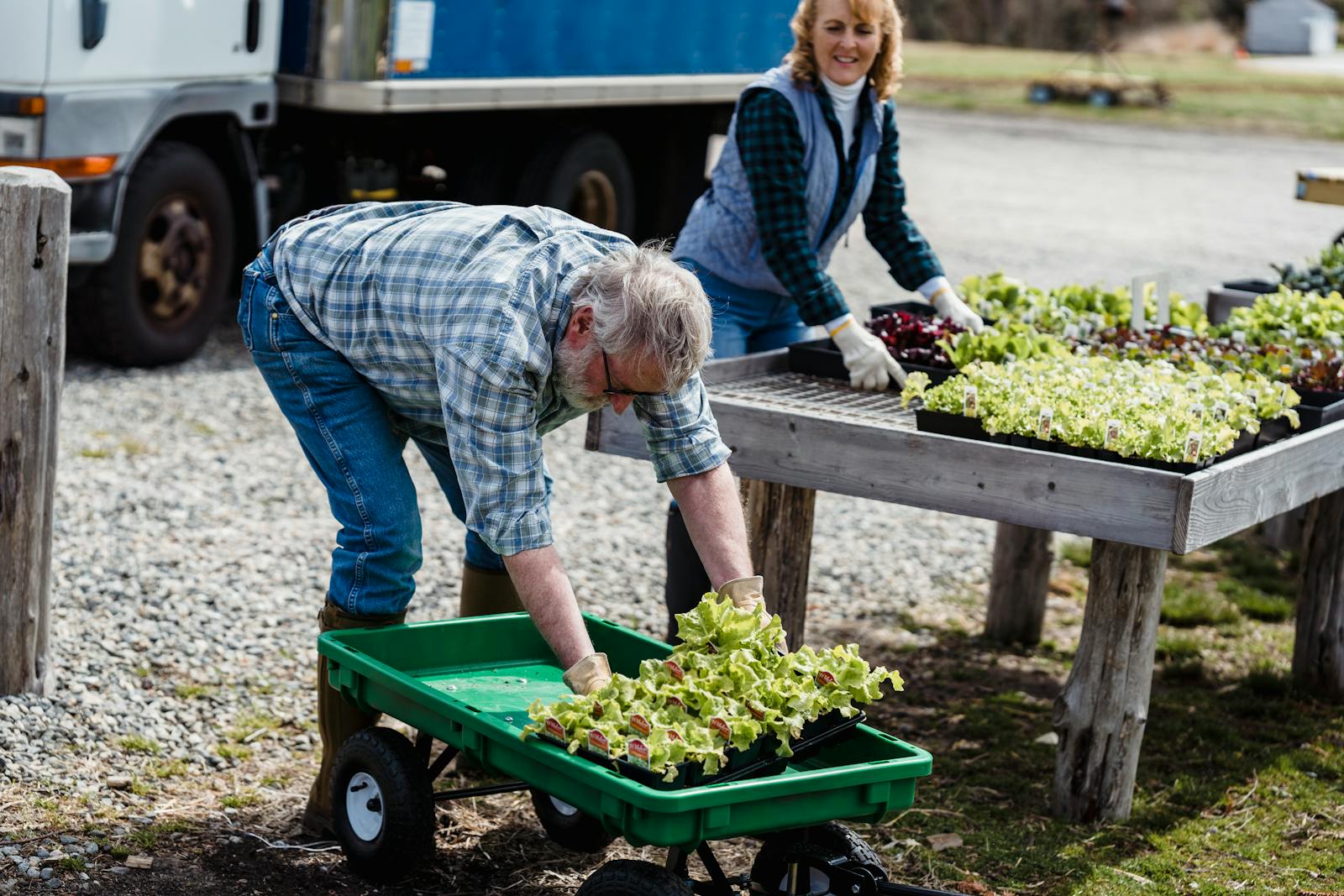
In the complex world of gardening, where every plant holds a delicate relationship with its surroundings, discovering methods to amplify both beauty and bounty can be a gardener's holy grail. Imagine transforming your garden into a thriving ecosystem that not only looks captivating but also produces an abundant harvest.
This may sound like a dream, but with Companion Planting 101: Boost Your Garden’s Yield Naturally, it becomes an achievable reality. This age-old practice taps into nature's own blueprint, allowing you to harness the natural synergy between different plants to create a garden that's self-sustaining and truly flourishing.
Have you ever marveled at how certain plant pairings seem to thrive exceptionally well while others falter? The magic lies in the subtle science of companion planting—an artful strategy where plant partnerships are carefully planned to offer mutual benefits such as pest control, improved pollination, and enhanced growth.
By adopting these techniques, you don't just plant a garden; you plant a community. Embrace this journey into companion planting, and watch as your garden becomes a vibrant testament to nature's wisdom, maximizing yield without the need for chemical interventions. Let’s dig into the secrets that can transform your patch of soil into a lush sanctuary.
Understanding Companion Planting Fundamentals
Companion planting is more than a gardening trend; it’s an age-old technique rooted in biodiversity and ecological balance. At its core, this practice involves strategically placing plants together so they provide mutual benefits—whether through nutrient exchange, pest deterrence, or physical support.
By embracing Companion Planting 101: Boost Your Garden’s Yield Naturally, gardeners tap into nature’s blueprint, transforming their plots into self-sustaining ecosystems. Recognizing how plants interact above and below ground is crucial: some release natural chemicals that ward off pests, while others fix atmospheric nitrogen or attract beneficial insects.
To get started, it helps to understand key principles. First, plant diversity promotes resilience—monocultures are prone to disease outbreaks, whereas polycultures mimic wild ecosystems and buffer against pests. Second, spatial arrangement matters; certain plants thrive when shaded by taller neighbors or when ground cover keeps soil moisture high.
Third, timing is critical, as sequential planting can optimize pollination and soil health. Mastering these fundamentals allows you to craft a harmonious planting plan that maximizes yield, conserves resources, and reduces reliance on synthetic inputs.
Selecting the Right Plant Combinations for Your Garden
Choosing complementary plant pairings is an art. Start by categorizing crops into functional groups: nitrogen-fixing legumes (beans, peas), aromatic herbs (basil, mint), pest-deterring flowers (marigolds, nasturtiums), and nutrient-accumulating greens (comfrey, borage).
For instance, the classic tomato and basil tandem exemplifies synergy—basil’s volatile oils help repel whiteflies and mosquitoes, while tomatoes provide structure that shades basil’s roots. Similarly, carrots and onions thrive together because onion scents confuse carrot flies, and the feathery carrot foliage does little to compete with shallow onion bulbs.
Consult companion planting charts or local extension guides to customize combos for your region. Warm-season veggies like peppers can benefit from dill or parsley, which attract predatory wasps. Corn, beans, and squash form the “Three Sisters” guild: corn offers a natural trellis for climbing beans, beans fix nitrogen for all three, and squash’s sprawling leaves shade out weeds and retain soil moisture.
Experimentation is key—track which pairings succeed in your garden’s microclimate, and don’t be afraid to swap in new partners each season.
Pest Control through Companion Planting Techniques
One of the most powerful advantages of companion planting is natural pest management. When you interplant pest-repellent species alongside susceptible crops, you reduce the need for chemical pesticides. For instance, marigolds emit thiophenes that repel nematodes and aphids, while garlic and chives produce sulfur compounds toxic to many insects.
Planting these allies in borders or as interspersed “trap crops” diverts pests away from your prized vegetables. Trap cropping is another effective strategy: plant a sacrificial row of radishes or nasturtiums to lure aphids, whiteflies, and flea beetles. Once infested, these trap crops can be removed or treated separately, protecting the main crop.
Additionally, attracting beneficial insects—ladybugs, lacewings, and parasitic wasps—is easier when you include flowering herbs like dill, fennel, and yarrow. These pollinators and predators patrol your garden, keeping pest populations in check while supporting healthy fruit set and yield.
Maximizing Pollination for Increased Yield
Healthy pollination directly translates to more abundant, uniform harvests. While wind and generalist pollinators contribute, deliberately cultivating pollinator-friendly plants can dramatically boost fruit set in cucumbers, squash, berries, and tomatoes. Plants like borage, lavender, and echinacea are magnets for bees, butterflies, and hoverflies, all of which enhance cross-pollination.
Creating a continuous floral calendar is vital—select early bloomers (willow, dandelion), mid-season attractors (marigold, cosmos), and late-season bloomers (asters, goldenrod). This ensures a stable supply of nectar and pollen, encouraging pollinators to establish foraging routes through your garden.
Place hives or nesting blocks nearby for honeybees and solitary bees. Avoid pesticides, especially during bloom, to protect these beneficial insects. With these targeted companion planting strategies, you’ll facilitate robust pollination and witness a notable uptick in yields.
Enhancing Soil Fertility with Companion Planting
Beyond above-ground interactions, many companion plants enrich the soil. Nitrogen-fixing legumes—peas, beans, clover—harvest atmospheric nitrogen and convert it into plant-available forms. When these crops are cut back or tilled under, they release nitrogen, feeding subsequent plantings.
Other dynamic accumulators, such as comfrey and nettle, draw up minerals from deep in the subsoil. Chop-and-drop their leafy growth provides rich organic matter and micronutrients.
Incorporate cover crops like buckwheat or winter rye during fallow periods. These green manures suppress weeds, prevent erosion, and improve soil structure. Mycorrhizal fungi often hitchhike on plant roots, boosting nutrient uptake for your main crops.
By rotating companion species and layering organic inputs, you build a living soil teeming with microorganisms—critical for sustainable high yields without synthetic fertilizers.
Companion Planting for Natural Weed Control
Weeds compete for light, nutrients, and water, yet the right companions can smother unwelcome plants. Fast-growing ground covers—such as white clover, creeping thyme, or buckwheat—form dense mats that block weed seedlings. Pair these living mulches with taller crops to create a two-tiered canopy that deters weed emergence while retaining soil moisture.
Intercropping herbs like oregano and chamomile in wide row beds further reduces bare soil. Their low, spreading growth habit suppresses weeds and releases aromatic oils that can inhibit weed seed germination. You’ll find that an integrated approach—combining cover crops, living mulch, and strategic plant spacing—minimizes weeding chores and keeps garden beds looking tidy without resorting to chemical herbicides.
Designing Your Garden Layout with Companion Planting in Mind
A deliberate layout maximizes interactions and minimizes competition. Square-foot gardening is an excellent method: divide beds into grids and assign each square a specific companion group. This promotes efficient use of space and simplifies crop rotation. Alternatively, guild-based designs—borrowed from permaculture—center around a focal tree or shrub with supporting layers of ground cover, root crops, vines, and pollinator-attracting flowers.
Arrange taller plants on the north side to avoid shading sun-loving crops. Keep heavy feeders (corn, cabbage) on one side and light feeders (carrots, radishes) on another to balance nutrient demands. Use temporary trellises or stakes for climbing beans and peas, reducing their footprint.
Pathways between beds allow easy access for maintenance and harvest, preventing soil compaction. With these principles, your garden becomes an orchestrated community where each species contributes to overall health and productivity.
Seasonal Considerations and Succession Planting
Companion planting thrives on timing. Early spring, sow quick-turnaround greens—lettuce, spinach—between dormant perennials. As these cool-season crops finish, warm-season companions—tomatoes, peppers, basil—move into their vacated spaces. This overlapping ensures continuous production and efficient space usage.
In late summer, follow summer squash with fast-germinating greens like arugula or mustard. Autumn’s cool days suit peas and fava beans, which can also fix nitrogen for winter crops. In colder regions, use cold frames or row covers to extend seasons for leafy companions such as kale or chard.
By planning successive planting waves, you maintain soil cover, optimize pollinator presence, and keep your garden vibrant year-round.
Monitoring and Maintaining a Companion Planted Garden
Even the best-laid companion plan needs attentive care. Regularly scout for pests and diseases—early detection prevents outbreaks. Keep records of which combinations flourish and which underperform in your microclimate. Soil tests every one to two years help track nutrient levels and pH, guiding amendments like lime or compost tea.
Pruning and staking ensure air circulation and reduce fungal risks among closely spaced companions. Mulch pathways to prevent weeds and maintain humidity. Replenish organic matter by adding compost between seasons.
Lastly, stay flexible: if certain pairings attract too many pests or compete excessively, relocate them next season. Through diligent monitoring and small adjustments, your companion garden will continually evolve, yielding bountiful harvests and showcasing nature’s collaborative spirit.
Embracing the Beauty and Benefits of Companion Planting
Companion planting transforms ordinary plots into dynamic ecosystems where each plant supports the other, leading to healthier soil, fewer pests, and richer harvests. By applying these time-tested techniques, you reduce chemical inputs and foster biodiversity, making your garden a haven for beneficial insects and pollinators.
Get ready to witness the rewards of nature’s partnerships in your own backyard. With careful planning, observation, and a dash of experimentation, Companion Planting 101: Boost Your Garden’s Yield Naturally becomes more than a guide—it’s the blueprint for a thriving, resilient garden that nourishes both body and soul.




0 Comments