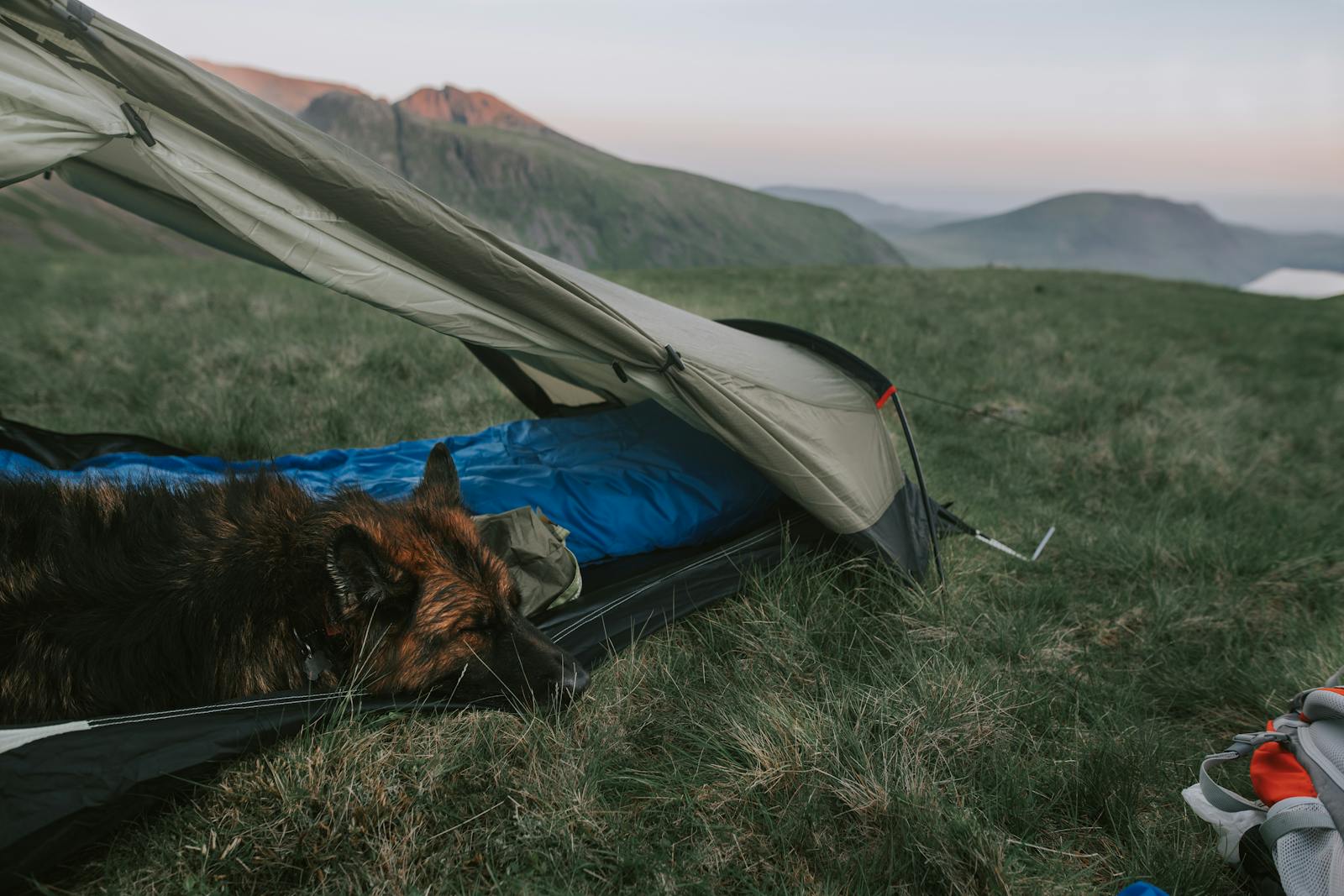
Imagine finding yourself outdoors, the air growing colder by the minute, with no immediate shelter in sight. In such situations, the comfort and security of a reliable sleeping bag can be a literal lifesaver. Emergencies are never planned, but being prepared can make all the difference.
This is where compact sleeping bags step into the spotlight. Designed for easy storage and swift deployment, they ensure that warmth and safety are within your reach, regardless of the circumstances.
In today's fast-paced world, where space is a premium and readiness is crucial, having the right gear matters. Whether you're a seasoned outdoor enthusiast or someone just beginning to build their emergency kit, the importance of choosing the best compact sleeping bags cannot be overstated.
Within this guide, we unveil the top 5 compact sleeping bags for emergency kits, ensuring you're equipped to face unexpected situations with confidence and ease.
Key Features to Look for in Compact Sleeping Bags
When selecting one of the Top 5 Compact Sleeping Bags for Emergency Kits, understanding core features is essential. First, prioritize insulation quality—this dictates warmth-to-weight ratio and packability. A sleeping bag that offers high loft in minimal volume will keep you insulated without weighing down your kit. Look for fill power ratings and shell materials that balance warmth, compressibility, and durability.
Equally important is the bag’s shape and zipper design. Mummy-style bags hug the body closely to minimize dead air space, whereas semi-rectangular models provide greater mobility but can add bulk. Reliable zippers with anti-snag features ensure quick setup and ventilation control.
Additionally, pay attention to hood design: adjustable hoods lock in heat around your head, providing extra comfort when the temperature drops. Seam construction also makes a significant difference. Taped or welded seams prevent cold spots and moisture penetration, which is crucial in unpredictable conditions.
Reinforced foot boxes and shoulder baffles help maintain loft where it matters most, extending both warmth and longevity. Finally, consider inner linings for comfort—soft, moisture-wicking fabrics keep you dry and reduce chill by drawing sweat away from your skin.
Lightweight and Portable Options
Portability is a non-negotiable requirement for emergency kits. The best compact sleeping bags weigh between 1.5 to 3 pounds while compressing down to the size of a large grapefruit. Advanced materials such as high-fill-power down or ultralight synthetic blends strike a fine balance between warmth, weight, and pack volume.
Compression sacks with durable straps allow you to manually squeeze air out and reduce pack size further. Some models include built-in stuff sacks that double as compression sacks, saving you from carrying extra gear. When stowed, these bags fit easily into side pockets of backpacks or strapped under an emergency vest, ensuring they’re always within reach.
Designers often use ripstop nylon shells, which resist tearing and abrasion without adding unnecessary heft. Nylon ripstop is also water-resistant, helping to keep insulation dry in damp conditions. In short, lightweight and portable sleeping bags enable you to move quickly in emergencies while maintaining critical warmth.
Insulation Types: Down vs. Synthetic
Choosing between down and synthetic insulation hinges on your priorities in weight, cost, and performance in damp conditions. Both fill types have advantages and drawbacks worth considering for emergency preparedness.
Below, we explore each insulation option in detail to help you identify which suits your needs best.
Down Insulation
Down insulation, sourced from waterfowl feathers, is celebrated for its exceptional warmth-to-weight ratio and compressibility. Premium down bags often sport fill powers of 600 to 900, indicating loft and thermal efficiency. Higher fill power means more trapped air per ounce of down, translating to superior insulation with less bulk.
This makes down bags an ideal choice for ultralight emergency kits where every ounce counts. However, down’s major drawback lies in moisture sensitivity. When wet, down clumps together and loses much of its insulating properties.
To mitigate this, many manufacturers apply durable water-repellent (DWR) coatings or use hydrophobic-treated down that resists moisture better than untreated fill.
Even so, in persistently damp environments, you’ll need to keep the bag protected under a waterproof bivy or dry sack to maintain performance. Despite moisture concerns, down remains the gold standard for packable warmth.
If you’re willing to take extra steps to keep it dry, a down sleeping bag can serve as one of the Top 5 Compact Sleeping Bags for Emergency Kits, offering unbeatable comfort and long-term durability.
Synthetic Insulation
Synthetic insulation, typically made from polyester fibers, shines in wet and humid conditions. Fibers retain loft even when damp, ensuring consistent warmth. Additionally, synthetic bags are generally less expensive than down and dry more quickly after exposure to moisture.
This makes them an attractive option for emergency kits stored in unpredictable environments. On the downside, synthetic fill is heavier and less compressible than down. Expect a bulkier pack size and a modest weight penalty—often 20–30% more than a comparable down bag at the same temperature rating.
Nevertheless, manufacturers have introduced advanced synthetic blends (like PrimaLoft Gold or Climashield) that narrow the performance gap while still offering quick-drying properties.
If you prioritize maintenance-free reliability and moderate cost over the lightest possible setup, synthetic sleeping bags are an excellent choice. Their resilience to weather and rugged handling makes them a frequent pick in lists of reliable emergency kit gear.
Weather Resistance and Temperature Ratings
Temperature ratings are a critical metric—most compact sleeping bags for emergency kits fall within a 20°F to 40°F comfort range. Always choose a bag rated slightly below the lowest temperature you expect to encounter to ensure adequate warmth. Consider bags with adjustable draft tubes and insulated hoods for additional thermal protection.
Weather resistance starts with a durable outer shell. Look for fabrics with a DWR finish to shed rain and snow. Sealed or taped seams prevent moisture ingress, while water-resistant zippers block drafts. Some high-end models feature fully waterproof membranes, but these can add weight and reduce breathability.
Ventilation options, such as two-way zippers and zippered chest vents, allow you to regulate internal temperature and manage condensation. For emergency kits, choose a bag that balances water repellency with breathability to keep insulation dry while permitting sweat to escape.
This dual capability is vital for maintaining consistent warmth during restless nights when conditions change rapidly.
Compact Sleeping Bags for Different Budgets
Emergency preparedness doesn’t require breaking the bank. Entry-level synthetic bags can be found under $100 and still offer 30°F to 40°F ratings. Brands like Coleman and REVALCAMP produce budget-friendly options with decent insulation and basic features, perfect for casual use or short-term emergency kits.
Mid-range bags in the $100–$200 bracket often employ higher-quality synthetic fills or lower-fill-power down blends. These models strike a balance between performance and price, featuring improved shell fabrics, better zippers, and more ergonomic hood designs.
Popular mid-tier brands include Kelty and Sea to Summit, recognized for consistent quality and thoughtful design. If your budget allows $200 and up, you enter the realm of premium down bags. Look for brands like Western Mountaineering, Marmot, or Feathered Friends, which offer high-fill-power down, ultralight shell materials, and meticulous craftsmanship.
While these may cost significantly more, their superior warmth-to-weight ratio and long-term durability justify the investment for serious emergency preparedness.
Durability and Longevity Considerations
Durability is paramount in emergency gear. Regular use or extended storage can degrade fabrics and insulation. Seek bags with reinforced stress points, like double-stitched shoulder seams and extra-strength foot boxes, to withstand rough handling.
Ripstop shells resist punctures, while abrasion-resistant deniers ensure the fabric endures friction from rocks or backpack compression straps. Proper care and storage extend a bag’s lifespan. Always dry your sleeping bag thoroughly before packing it away to prevent mold and odor.
Store it loosely in a breathable cotton sack rather than compressed to maintain loft and prolong fill life. Periodically treat shell fabrics with spray-on DWR to revive water repellency.
Checking zippers, drawcords, and seam integrity annually helps catch wear issues before they become failures in the field. Investing in a repair kit or sending your bag for professional reproofing and patching can add years of reliable service—making your chosen model truly one of the Top 5 Compact Sleeping Bags for Emergency Kits in both performance and longevity.
User-Friendly Features for Quick Deployment
Emergencies demand speed. User-friendly features like color-coded compression straps, quick-release buckles, and large-mesh stuff sacks simplify bag deployment. Some models incorporate a flat valve system so you can stuff the bag directly without fumbling with round openings—saving precious time when you need warmth fast.
Two-way zippers with oversized pulls let you open or close the bag easily, even with gloves on. Anti-snag zipper guards prevent frustrating jams. Integrated draft collars and hood cinches trap heat quickly, so you can adjust fit on the fly.
Additionally, interior stash pockets keep essentials like a headlamp or phone within reach. Look for bags that come with clear graphical instructions on their compression sacks. This helps ensure that even novice users can pack and deploy the bag correctly under stress.
These small design touches collectively make a big difference when every second counts.
Comparison of Compression and Packing Sizes
A compact sleeping bag isn’t just about weight—it’s also about how small it packs down. Compression size is measured in liters or cubic inches. The most packable down bags can compress to 5–7 liters, while synthetic models often compress to 8–10 liters. Pay attention to advertised volumes and verify these claims in reviews.
Stuff sacks come in two main styles: drawcord and compression. Compression sacks use adjustable webbing straps to expel air and maintain shape, whereas drawcord sacks simply hold the bag together without active compression. Some high-end bags include cordura-lined sacks that resist tearing during aggressive packing.
When comparing options, lay the bag flat, use the recommended packing method, and measure the final size yourself. This real-world test ensures the bag fits into your designated storage space. For most emergency kits, a compressed diameter of 6–8 inches and a length under 14 inches hits the sweet spot between portability and warmth.
Reviews and Recommendations from Experienced Users
After consulting seasoned outdoorspeople and emergency responders, we’ve identified the Top 5 Compact Sleeping Bags for Emergency Kits based on performance, packability, and value:
- Feathered Friends Flicker – Premium down fill provides exceptional warmth-to-weight, compressing to under 6 liters.
- Marmot Trestles Elite – Mid-range synthetic bag known for reliable wet-weather performance and quick-dry capabilities.
- Sea to Summit Spark – Ultralight down option with innovative thermally tapered design that balances weight and comfort.
- Kelty Cosmic 20 – Budget-friendly treated down bag that offers great compressibility and water resistance for the price.
- REVALCAMP Mummy – Affordable synthetic choice with a durable ripstop shell and user-friendly two-way zippers.
Users praise these models for ease of deployment, consistent insulation in damp conditions, and compact carry sizes. Whether you need ultralight down or resilient synthetic options, these five sleeping bags excel across a range of budgets and environments.
Making the Best Choice for Your Emergency Kit
Choosing one of the Top 5 Compact Sleeping Bags for Emergency Kits ultimately depends on your priorities: weight, warmth, budget, and moisture management. By weighing insulation type, pack size, and user-friendly features, you’ll select a bag tailored to your specific scenarios.
Invest in a reliable compression sack, perform regular gear checks, and practice rapid deployment. With the right compact sleeping bag, you’ll be ready to face unplanned adventures and emergencies with confidence, staying warm and safe when it matters most.

0 Comments