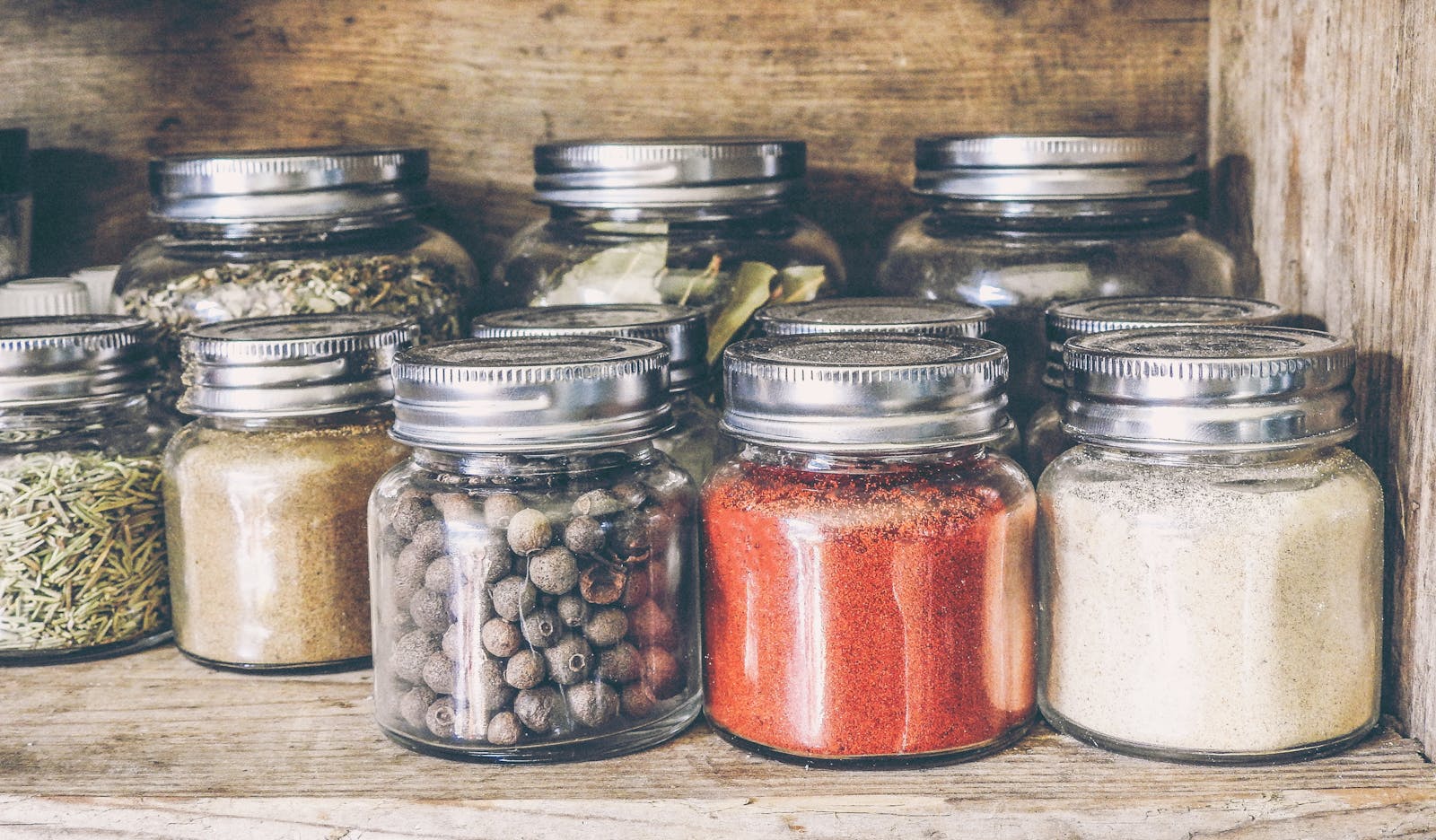
Have you ever found yourself rummaging through your spice drawer only to discover that your once-vibrant seasonings have lost their flavor over time? It’s a common culinary conundrum, but one that can be easily resolved by understanding the art of spice preservation.
Our comprehensive guide on “The Best Spices for Long-Term Storage” not only unravels which spices are essential to keep, but also why these bold flavors are a pantry staple for every home cook.
Imagine having a neatly organized collection of spices that are not only fragrant but also packed with their original punch, ready to elevate any dish at a moment's notice.
Let’s dive deep into the world of spices and explore the potent treasures that can transform your cooking. From the aromatic allure of cinnamon to the subtle warmth of cumin, each spice has its own unique storage requirements and benefits.
Storing them correctly is not just about extending shelf life; it’s about ensuring that every meal is a memorable experience. Whether you're an aspiring chef or someone who simply loves to experiment in the kitchen, knowing the best spices for long-term storage (and why you need them) will revolutionize the way you approach food preparation.
Join us on this flavorful journey, and unlock the secrets to maintaining bold and lasting taste in your culinary creations.
Understanding the Importance of Proper Spice Storage
Proper spice storage is the foundation of any well-stocked pantry. Spices contain volatile oils that give them their characteristic aroma and taste; when exposed to air, light, heat, or moisture, these oils degrade rapidly.
By investing in airtight, opaque containers and placing them in a cool, dark environment, you preserve not only the potency of each spice but also its nutritional and medicinal properties. This approach ensures that every pinch you add to a dish delivers the full sensory experience you expect.
Aside from preserving flavor, good storage practices save you money and reduce waste. When spices lose their intensity, many home cooks mistakenly buy replacements, not realizing a simple storage tweak could restore life to their pantry.
Moreover, well-organized spice storage cuts down on prep time. You’ll be able to find exactly what you need when you need it, transforming cooking from a scavenger hunt into a creative ritual.
This efficiency extends to meal planning, elevating your culinary workflow and allowing you to focus on crafting delicious dishes rather than searching for a forgotten jar at the back of the shelf.
Essential Spices for Long-Term Preservation
When building a pantry optimized for long-term use, select spices that both enhance a wide array of dishes and naturally withstand extended storage. Whole spices like cinnamon sticks, black peppercorns, nutmeg, and cloves are more resilient because their oils remain locked inside until ground.
Bay leaves, when dried correctly, can last for years, adding depth to soups, stews, and braises. Coriander and cumin seeds also retain flavor far longer than their ground counterparts, making them staples in any kitchen.
Beyond seeds and sticks, certain dried chilies—such as ancho, guajillo, and chipotle—stand up well to storage because their oils remain intact in the leathery skin. Dried herbs like rosemary and thyme, when stored in low-humidity conditions, can maintain their potency for more than a year.
Investing in high-quality, organically grown spices reduces the chance of contaminants and ensures that your collection of The Best Spices for Long-Term Storage (and Why You Need Them) remains pure, vibrant, and free from fillers that degrade faster over time.
Categorizing Spices Based on Shelf Life
Understanding how long each spice will stay fresh can help you rotate your stash and avoid disappointment in the kitchen. Generally, whole spices hold up the best—most will last two to four years when stored correctly.
Ground spices, on the other hand, lose potency more quickly, often within six months to two years. Keep this categorization in mind when restocking and plan to use ground varieties faster to ensure optimal taste.
Bold spices, such as turmeric and paprika, may show color fading over time, indicating the beginning of flavor loss. Gentle-tasting spices, like fennel seed or dill weed, should be replenished more frequently.
Creating a simple inventory system—marking dates on labels or maintaining a spreadsheet—helps you track shelf life and schedule replenishment. By categorizing based on durability, you minimize waste, enhance flavor in every dish, and maintain a consistent cooking experience.
Herbs vs. Ground Spices: Storage Discrepancies
Herbs and spices both rely on aromatic oils for flavor, but their storage needs diverge significantly. Ground spices, with a larger surface area exposed to air, oxidize faster than dried herbs. Conversely, whole herbs—think bay leaves or dried basil whole leaves—retain more integrity than finely chopped varieties, which lose oils more rapidly.
Recognizing these differences guides you in selecting appropriate containers and locations in your kitchen. When storing dry herbs, aim for a humidity level below 15% and temperatures under 70°F.
Ground spices fare best in similar conditions but benefit from an extra layer of protection—nested, sealed packets or vacuum-sealed jars. This dual approach ensures both herbs and ground spices maintain peak potency, allowing you to achieve the flavors you intended every time you cook.
The Impact of Light and Temperature on Spice Quality
Exposure to light triggers photodegradation in spices, breaking down essential oils and pigments that give them character. Even in sealed containers, a sunny windowsill can accelerate this process, leaving you with bland or discolored seasonings.
To combat this, store spices in opaque glass jars or metal tins, away from direct light sources. Temperature fluctuations also compromise spice quality. High heat dissolves volatile compounds, while repeated swings in temperature introduce condensation inside packaging.
Your ideal storage spot? A cool pantry or inside a cupboard away from ovens, dishwashers, and other heat-generating appliances. Maintaining a steady temperature between 50°F and 70°F will lock in flavors and aromas, ensuring each spice retains its original vibrancy for months or even years.
Creative Spice Storage Solutions for Every Kitchen
Maximizing space and functionality goes hand in hand with preserving flavor. Magnetic spice tins affixed to a refrigerator side or a steel backsplash create a sleek, space-saving display. Tiered, rotating spice racks allow easy visibility of labels and prevent jars from getting buried in the back of a shelf.
No matter your kitchen size, consider wall-mounted racks, drawer organizers, or even stackable acrylic containers to keep everything within arm’s reach. For ultra-small kitchens, repurpose an over-the-door shoe organizer: fill its clear pockets with labeled spice packets. Bamboo drawer inserts with custom compartments offer both ventilation and organization.
Remember to group your pantry staples—cumin, coriander, and cardamom—together, while segregating heat-sensitive spices like paprika in cooler compartments. With a little creativity, you can turn spice storage into a design feature that enhances both your cooking and your décor.
Reviving Old Spices: Tips and Tricks
If you discover spices that seem lackluster, all is not lost. A simple sniff test reveals if the essential oils are still active; if the aroma is faint, try toasting seeds in a dry skillet for a minute or two—this can awaken dormant oils and improve flavor.
For ground spices that have lost some punch, grinding them further with a mortar and pestle releases fresh aromas instantly. Infusing spices into oil before adding them to a recipe is another way to coax out deeper flavors.
Heat a tablespoon of neutral oil, add a pinch of turmeric or cumin, and let it sizzle briefly before building your dish. This technique maximizes the spice’s surface area in contact with heat, releasing more volatile compounds.
Remember, though, that severely stale spices should be replaced; reviving methods work best when your seasonings are only slightly past peak freshness.
The Role of Humidity in Spice Preservation
Humidity is a silent adversary in spice storage. Moisture can cause clumping, mold growth, and premature breakdown of aromatic oils. Aim to keep relative humidity in your pantry below 60%, ideally under 50%.
If you live in a humid climate, consider installing a simple dehumidifier or placing silica gel packets inside your spice jars to absorb excess moisture. Glass jars with rubber-sealed lids create a moisture barrier, while vacuum-sealed bags offer an extra level of protection for long-term storage.
Avoid storing spices above the stove or near dishwashers, where steam can introduce unwanted water droplets into your collection. By controlling humidity, you ensure that each pinch of spice you use retains its intended aroma and flavor profile.
Incorporating Long-Term Spice Storage into Meal Planning
Meal planning and spice preservation go hand in hand. Begin by reviewing your spice inventory as you build your weekly menu. Identify dishes that call for older spices and plan to use them first, ensuring nothing goes to waste.
Batch-cook dishes like curries, stews, and braises that benefit from extended spice infusion, then store individual portions in airtight containers labeled with the preparation date.
Integrate a rotation system: when you open a new jar, place it behind the older ones to encourage first-in, first-out use. Keep a running shopping list of spices nearing the end of their shelf life, and consider themed cooking nights—Taco Tuesday or Indian Spice Friday—to highlight different flavor profiles.
This strategic approach not only keeps your pantry fresh but also inspires you to experiment and expand your culinary repertoire.
Elevating Your Culinary Experience Through Well-Preserved Spices
Mastering the art of spice storage transforms your cooking from ordinary to extraordinary. By understanding how factors like light, humidity, and container choice affect potency, you ensure every dash of seasoning amplifies flavor, aroma, and color in your dishes.
Embrace the practices outlined in this guide—from choosing The Best Spices for Long-Term Storage (and Why You Need Them) to applying simple revival techniques—and watch your culinary creations come to life. With well-preserved spices at your fingertips, every meal can become a celebration of taste and tradition.


0 Comments