Imagine driving down a seemingly endless stretch of highway, your car slicing through the gentle hum of the open road. The sky is clear, the weather perfect, and your favorite tunes are playing softly in the background.
But, as every seasoned driver knows, the serenity of a perfect drive can quickly turn into a challenging situation if you're not adequately prepared for the unexpected—especially when it comes to your vehicle's readiness in changing climates.
From blistering summer heatwaves that can strain your car's cooling systems to frigid winter conditions that threaten your battery life, ensuring your car is ready for emergencies in all climates is not just wise but essential.
This comprehensive guide will walk you through the practical steps for preparing your car for emergencies across various weather conditions, giving you peace of mind no matter where the road may lead.
Get ready to learn how a little foresight can keep you safe and prevent minor annoyances from turning into major ordeals.
Importance of Car Preparedness in All Climates
Whether you reside in a desert region with scorching daytime temperatures or a northern landscape blanketed in snow, having a car that’s properly prepared for the elements can mean the difference between a safe journey and a roadside disaster.
Extreme heat can warp hoses, degrade fluids, and accelerate tire wear, while bitter cold can sap battery strength, thicken oils, and stiffen rubber components. By acknowledging these climate-specific threats, you take the first step in crafting a preventative maintenance mindset that addresses each potential hazard.
Moreover, being proactive with vehicle preparedness reduces the risk of breakdowns in remote or hazardous areas. Imagine your air conditioner failing during a summer trek through miles of desert, or your engine refusing to turn over after an unexpected freeze.
These aren’t mere inconveniences—they can pose serious safety risks. Keeping your car well-maintained and equipped not only safeguards your comfort but also enhances reliability, helping you avoid tow trucks, repair shops, and the stress of being stranded.
In essence, “Preparing Your Car for Emergencies in All Climates” isn’t just a catchy phrase; it’s a practical philosophy that saves time, money, and peace of mind.
Checking and Maintaining Cooling Systems for Hot Climates
In regions where temperatures routinely soar above 90°F, your car’s cooling system becomes its lifeline. Overheating can lead to blown head gaskets, warped engine blocks, and coolant leaks—issues that are both expensive and time-consuming to repair.
Regular inspection and maintenance of radiators, hoses, water pumps, and coolant levels are essential to ensure your engine runs at optimal temperature, even under relentless heat.
Failing cooling components can become apparent through rising temperature gauges, visible leaks, or a sweet, pungent smell under the hood. Addressing any irregularity quickly—whether it’s replacing aging hoses, flushing old coolant, or tightening hose clamps—prevents minor issues from escalating.
A well-functioning cooling system not only protects engine integrity but also helps maintain performance and fuel efficiency in hot climates.
Ensuring Battery Health for Cold Weather Conditions
Frigid temperatures below freezing place tremendous strain on car batteries, reducing their cranking power by up to 50%. A battery weakened by age or lack of maintenance is far more likely to fail when you need it most—early on a frosty morning or after an unexpected snowfall.
Testing battery voltage, cleaning terminals, and topping off fluid levels are simple steps that dramatically improve cold-weather performance. When checking your battery, use a multimeter to ensure it maintains at least 12.4 volts before starting your vehicle.
Inspect for corrosion around terminals and cables, and clean contacts with a mixture of baking soda and water. If your battery is older than three years or shows signs of wear—such as swelling or leaking—consider replacing it before winter arrives.
A fresh, fully charged battery ensures you’ll turn the key without hesitation, even in the deepest freeze.
Tire Care and Maintenance for Varied Climates
Tires are your car’s only contact points with the road, so their condition greatly influences traction, handling, and safety in all weather. In hot climates, extreme heat can increase tire pressure and accelerate wear, while cold weather reduces tire pressure and stiffens rubber, compromising grip.
Inspecting tire tread depth, rotating tires regularly, and adjusting pressure according to seasonal fluctuations are critical practices for consistent performance.
For summer driving, maintain tire pressure at the manufacturer’s recommended levels, checking more frequently when ambient temperatures rise. Higher road temperatures can inflate tires beyond safe limits, so use a reliable gauge and adjust accordingly.
In winter, reduce pressure by a few PSI to compensate for cold contraction and retain flexibility in the rubber. If you live in an area with heavy snowfall or frequent ice, switching to winter-rated tires can greatly improve braking distances and handling on slick surfaces.
Emergency Kit Essentials for All-Weather Preparedness
An emergency kit should be your car’s constant companion, stocked and ready regardless of season. While some items remain universal—jumper cables, tow straps, a flashlight, and a basic tool set—other supplies should reflect the prevailing climate.
In hot regions, extra water, sunblock, and cooling towels can prevent heat-related illnesses during a roadside delay. In cold climates, blankets, hand warmers, and a snow shovel become indispensable.
To build a comprehensive kit, start with a sturdy storage container that fits securely in your trunk. Include nonperishable snacks, a first-aid kit, reflective warning triangles, and a multi-purpose survival tool.
Add climate-specific items: for summer, high-SPF sunscreen, extra windshield washer fluid rated for hot conditions, and a battery-powered fan; for winter, de-icer spray, ice scraper, and a bag of sand or kitty litter for traction.
By tailoring your emergency kit to all climates, you’ll be equipped to handle unexpected situations comfortably and safely.
Preparing Your Car's Exterior for Extreme Conditions
Extreme climates can attack your car’s exterior, causing rust, paint damage, and seal deterioration. UV rays in hot, sunny regions gradually fade paint and degrade rubber seals around windows and doors. In snowy or coastal areas, road salt and moisture accelerate corrosion on undercarriages and body panels.
Regular washing, protective coatings, and rustproofing treatments help preserve your vehicle’s appearance and structural integrity. Start with a thorough wash every few weeks, paying special attention to the undercarriage.
In hot climates, follow up with a high-quality wax or ceramic coating to reflect UV rays and protect paint. In winter or coastal environments, apply a rust-inhibiting spray to vulnerable zones such as wheel wells, door sills, and chassis seams.
Inspect door seals and weather stripping quarterly, replacing them if they show cracks or brittleness, to keep moisture out and maintain a comfortable interior.
Interior Considerations for Climate Readiness
The inside of your car deserves as much attention as the exterior, particularly when climates swing between extremes. In searing heat, vinyl dashboards and leather seats can become dangerously hot to the touch, while frigid temperatures make cabin heating a top priority.
Employing sunshades, seat covers, and regularly servicing the HVAC system ensures a comfortable and functional interior environment year-round. Invest in reflective sunshades for the windshield and rear window to lower interior temperatures when parked.
Use breathable seat covers to protect upholstery from UV damage and excessive heat. Before summer, inspect and recharge your air conditioning refrigerant, replace cabin air filters, and ensure all vents are clear of debris.
In winter, test the heater’s performance, check for clogged heater cores, and verify that defrost settings operate correctly to maintain visibility and warmth on the chilliest mornings.
Tips for Driving Safely in Challenging Weather
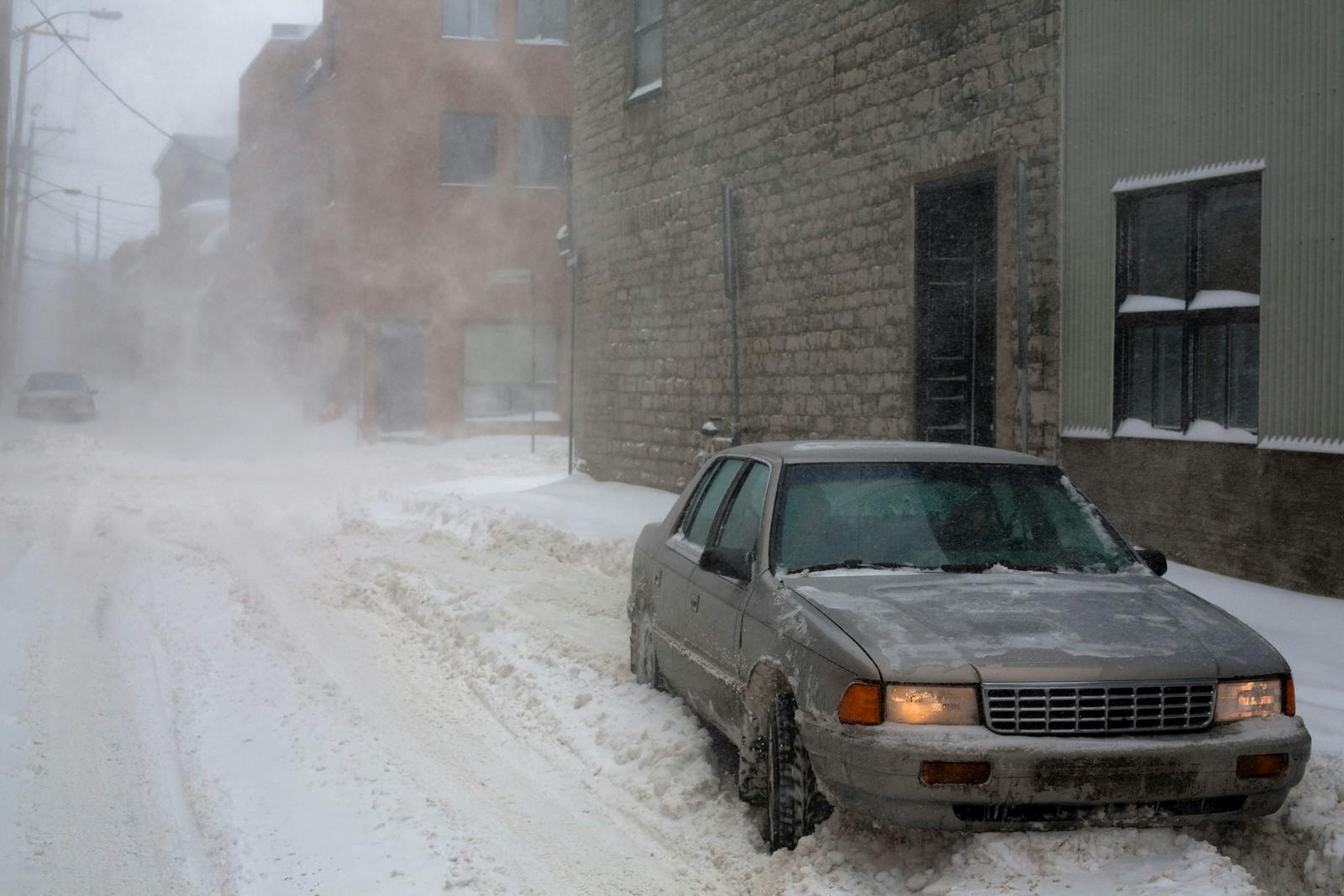
Even the most impeccably maintained vehicle requires careful operation when roads turn treacherous. In rain, hydroplaning becomes a real threat if your tires lose contact with the pavement. On ice or snow, sudden acceleration and hard braking can send you sliding out of control.
Adjusting your driving style to match road conditions is crucial for safety and vehicle longevity. Maintain a greater following distance—up to four times normal—in wet or icy conditions to allow for extended stopping distances.
Accelerate and brake gently, avoiding sudden inputs that could break traction. In heavy rain, drive in the tracks of the vehicle ahead to reduce water buildup between tire treads and the road surface.
If you encounter black ice, steer straight and ease off the throttle until traction returns; avoid slamming on the brakes. By respecting Mother Nature and your car’s limits, you’ll navigate challenging weather with greater confidence and control.
Regular Maintenance Practices to Avoid Climate-Related Issues
Consistency is the cornerstone of vehicle reliability. Scheduling routine maintenance—oil changes, filter replacements, fluid checks, and belt inspections—prevents small issues from becoming season-specific catastrophes.
Ignoring a slight coolant leak or a nearly worn serpentine belt might go unnoticed in mild weather but can quickly escalate into roadside failures when temperatures rise or drop abruptly. Create a maintenance calendar based on mileage and seasonal transitions.
Before summer, flush and replace coolant, inspect belts and hoses for soft spots or cracks, and service your air conditioning. Before winter, switch to a winter-grade oil if recommended, top off antifreeze, and test your battery’s cold-cranking amps.
Keep detailed records of each service, so you’ll know exactly when to revisit key systems. Proactive, climate-conscious maintenance safeguards your car’s performance and protects you from unexpected breakdowns.
The Peace of Mind in Being Prepared
Preparing Your Car for Emergencies in All Climates doesn’t have to be an overwhelming task. By focusing on climate-specific maintenance—cooling systems for heat, battery care for cold, and adaptable emergency kits—you transform potential breakdowns into manageable situations.
With regular inspections, seasonal adjustments, and a well-stocked emergency kit, you’ll enjoy greater confidence and safety on every journey. A few thoughtful preparations today can spare you from stressful roadside ordeals tomorrow, allowing you to drive with true peace of mind. Safe travels!




0 Comments