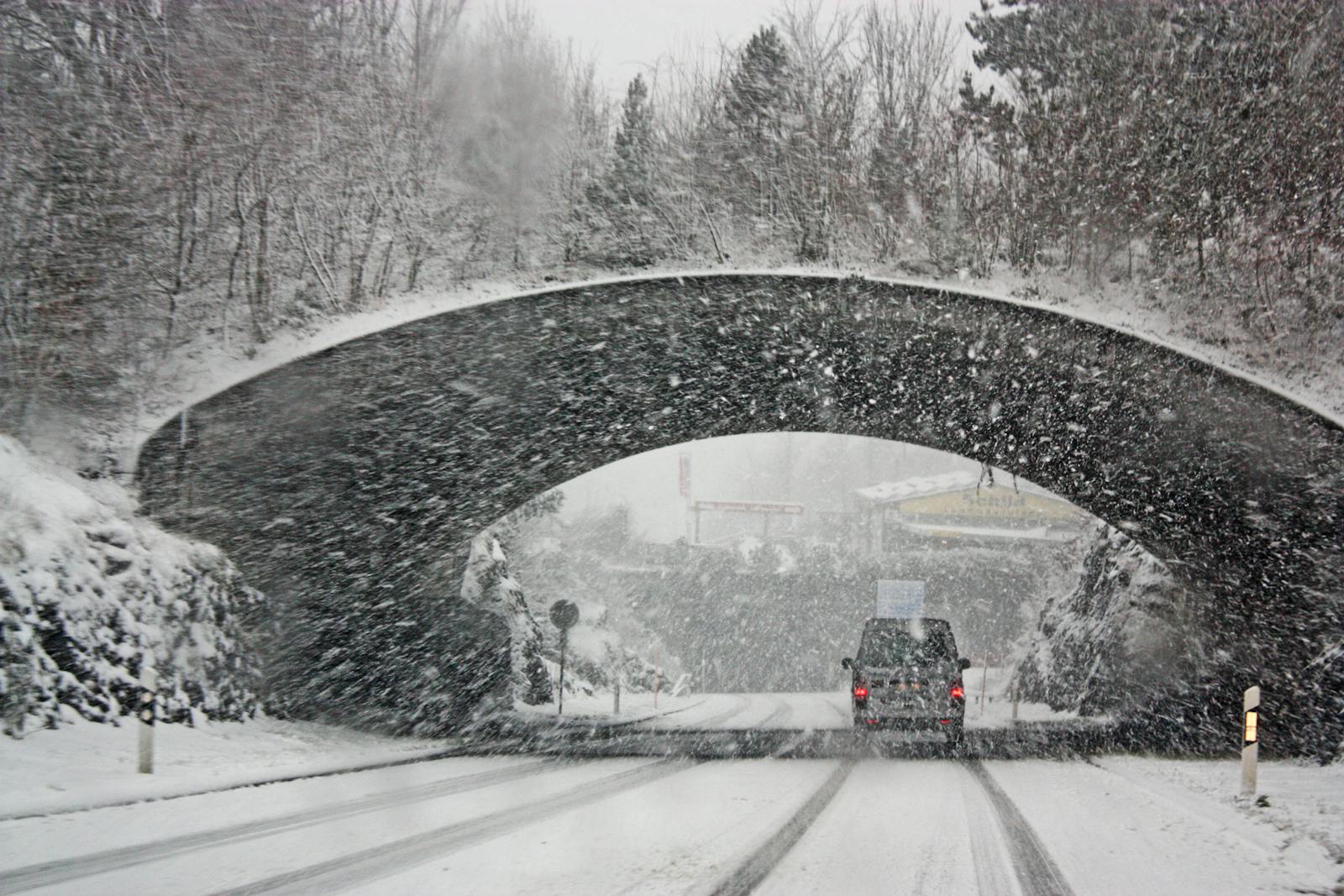
As the days grow shorter and the winds start to chill, the inevitable arrival of winter looms on the horizon. But winter isn’t just about cozy sweaters and hot cocoa by the fire; for many, it brings with it the daunting prospect of severe winter storms.
These storms can disrupt daily life, cause power outages, and create hazardous travel conditions. The key to staying safe and secure lies in our preparedness. Yet, how ready are we when Mother Nature decides to unleash her icy fury?
Imagine being caught off-guard, with snow piling up outside your door and no plan in place. It's a situation no one wants to face. Preparing for severe winter storms is more than just stocking up on essentials; it’s about having a strategy to weather any storm with confidence.
In this blog post, we delve into practical steps and insights on making your home and family winter-ready, ensuring that when the blizzard hits, you're not left scrambling, but standing firm and prepared.
Understanding the Threat: What Are Severe Winter Storms?
Severe winter storms, also referred to as blizzards, ice storms, or nor’easters depending on their characteristics and location, are extreme meteorological events that occur when cold air masses collide with moisture-laden warmer air.
These storms can unleash heavy snowfall, hurricane-strength winds, freezing rain, and dangerously low wind chills within a short period of time. What makes them so threatening is the way they can rapidly deteriorate road conditions, bring down power lines under the weight of ice, and lead to life-threatening hypothermia if individuals are exposed without proper protection.
From a meteorological standpoint, severe winter storms form when cyclonic systems draw moisture from large bodies of water, causing precipitation that falls as snow or sleet in cold air. Wind speeds above 35 mph combined with drifting snow create whiteout conditions that make travel almost impossible.
Ice storms occur when raindrops freeze on contact with cold surfaces, forming a brittle glaze that can snap tree limbs and power lines. Understanding these dynamics is the first step in preparing for severe winter storms and mitigating their potentially devastating impacts.
Creating Your Winter Storm Emergency Plan
Having a clear, written winter storm emergency plan is crucial to keeping your household safe and organized when severe weather strikes. Begin by identifying a safe, warm shelter area within your home where family members can gather if heating systems fail.
Assign specific responsibilities—such as who will fetch supplies, monitor weather updates, or care for pets—so everyone knows their role. Establish a communication strategy using text messages or social media, since phone lines can become overwhelmed during major storms.
Map out evacuation routes and alternative roads in case the main thoroughfares are blocked by snow or fallen trees. Share your plan with trusted neighbors so they can check on you if you’re unable to leave home.
Keep important documents (identification, insurance policies, medical records) in a waterproof container, and ensure each family member has a copy of emergency contact numbers. By practicing drills before the season arrives, you’ll build confidence and minimize panic when real winter emergencies occur.
Building a Winter Emergency Kit: Essentials to Have on Hand
A well-stocked winter emergency kit can mean the difference between comfort and crisis when a severe winter storm cuts you off from resources. Start with the basics: enough nonperishable food and water to last at least 72 hours, a reliable battery-powered or hand-crank radio, flashlights with spare batteries, and a first-aid kit tailored to your family’s needs.
Include warm blankets, extra clothing layers, and waterproof matches or a lighter. In addition to these fundamentals, consider adding items specific to cold-weather conditions. A portable charger can keep cell phones operational, while a small shovel and ice melt will help clear walkways.
Hand warmers, a supply of prescription medications, and pet food should also be included. Store your kit in an easily accessible location, and check it at the start of each season to replace expired goods and refresh batteries.
Being proactive with your winter emergency kit is an essential component of preparing for severe winter storms.
Securing Your Home: Winterizing Tips and Strategies
Properly winterizing your home not only improves energy efficiency but also prevents damage during severe storms. Begin by inspecting windows and doors for drafts; apply weatherstripping or caulk to seal any gaps.
Insulate exposed pipes in unheated areas to prevent freezing and bursting. Consider adding attic insulation, as heat loss through the roof is a common cause of ice dams and higher heating bills.
Trim tree branches that overhang your roof or power lines to reduce the risk of damage from heavy snow or ice. Examine your heating system before winter arrives. Replace filters, schedule professional maintenance if needed, and ensure vents are clear of furniture or debris.
Stock up on extra fuel—firewood for wood-burning stoves, propane for heaters, or heating oil if applicable. If you have a fireplace, clean the chimney and have it inspected to avoid chimney fires.
Finally, install a programmable thermostat to maintain a steady indoor temperature while conserving energy. These measures will not only keep you warm but also reinforce your home against the harshest elements.
Preparing Your Vehicle for Winter Travel
When preparing for severe winter storms, your vehicle must be ready to handle icy roads, low visibility, and freezing temperatures. Begin by equipping your car with quality winter tires or chains for improved traction on snow and ice.
Check antifreeze levels and top off windshield washer fluid with a freeze-resistant formula. Ensure your battery is in good condition, as cold weather can drastically reduce battery performance. Have a professional inspect your brakes and replace wiper blades if they’re worn.
Assemble an emergency car kit containing blankets, warm clothing, gloves, a hat, and sturdy boots. Include nonperishable snacks, water, a flashlight, and spare batteries. A small shovel, ice scraper, tow strap, and jumper cables are essential for roadside emergencies.
Keep your gas tank at least half-full to prevent fuel line freeze-up and provide enough fuel if you become stranded. Before heading out, inform someone of your route and expected arrival time.
With these precautions, your vehicle can be a reliable shelter and means of escape during a severe winter storm.
Staying Informed: How to Receive Weather Updates and Alerts
Timely information is vital when preparing for severe winter storms. Sign up for local weather alerts and emergency notifications through your city or county’s alert system. Download reliable weather apps on your smartphone, and enable notifications for watches, warnings, and advisories.
A battery-powered or hand-crank NOAA weather radio serves as a backup if other communication channels fail. Keep it tuned to your local weather station to hear real-time updates.
Follow trusted meteorological services on social media, but verify information through official sources to avoid rumor-driven panic. Learn the difference between a winter storm watch (conditions possible) and a winter storm warning (conditions imminent or occurring).
During a storm, continue monitoring updates every hour, as conditions can change rapidly. Having multiple ways to receive alerts ensures you won’t be caught off guard when the forecast turns severe.
Ensuring Adequate Food and Water Supply
Disruptions in transportation and power outages during severe winter storms can make access to groceries and clean water difficult. Store at least three days’ worth of nonperishable food items per person—canned goods, dried fruits, nuts, and energy bars are ideal.
Rotate your stock periodically to maintain freshness. If you have young children, elderly family members, or pets, include their dietary needs in your planning. Keep a manual can opener in your kit.
For water, plan on one gallon per person per day for drinking and sanitation. Fill clean containers with potable tap water prior to a storm, and consider purchasing bottled water as a backup. If your main supply line freezes or your home loses pressure, you’ll have safe water for drinking and basic hygiene.
In prolonged outages, melt snow on a clean stove surface and filter it through a coffee filter or clean cloth before boiling. Maintaining an ample food and water supply is a cornerstone of preparing for severe winter storms.
Strategies for Staying Warm During Power Outages
Power outages are among the most common consequences of severe winter storms, leaving you without heating for extended periods. To stay warm, seal off unused rooms to concentrate heat in a smaller area. Use heavy-duty blankets, sleeping bags rated for low temperatures, and layered clothing.
If you own a wood-burning stove or fireplace, stock plenty of seasoned firewood and keep tools handy for starting and maintaining fires. Always follow safety guidelines to prevent carbon monoxide buildup.
As an alternative heat source, consider a portable propane or kerosene heater, but ensure the room is well-ventilated. Never use a gas stove or oven as a heat source, and install a carbon monoxide detector on every floor of your home.
During the day, open curtains on south-facing windows to capture solar heat, and close them at night to conserve warmth. By combining these tactics, you can maintain a bearable indoor temperature until power is restored.
Safety Measures for Outdoor Activities During Winter Storms
Even when you must venture outside during a severe winter storm, following safety protocols can reduce risk. Dress in layers that wick moisture away from your skin—start with a thermal base layer, add an insulating middle layer, and finish with a waterproof, wind-resistant outer layer.
Wear insulated, waterproof boots with non-slip soles, warm gloves or mittens, a hat, and a scarf or face mask to protect exposed skin from frostbite. Plan your route and check weather and road conditions before heading out.
Carry a fully charged cell phone, and let someone know your destination and expected return time. If shoveling snow, take frequent breaks to avoid overexertion; cold weather can put extra strain on your heart. Use salt or sand on icy surfaces to improve traction, and carry a small bag of each in case you need to treat walkways.
By staying vigilant and prepared, you can safely complete necessary outdoor tasks during harsh winter conditions.
Being Winter-Ready – Your Key to Facing Severe Storms
Preparing for severe winter storms demands foresight, organization, and the right supplies. By understanding the nature of winter storms, crafting a detailed emergency plan, and assembling essential kits for your home and vehicle, you significantly reduce the risks associated with extreme cold and heavy snowfall.
Regularly review and practice your plan, keep your home winterized, and stay informed through reliable weather updates. With these strategies in place, you can face severe winter storms with confidence, ensuring your household remains safe, warm, and secure until the skies clear again.




0 Comments