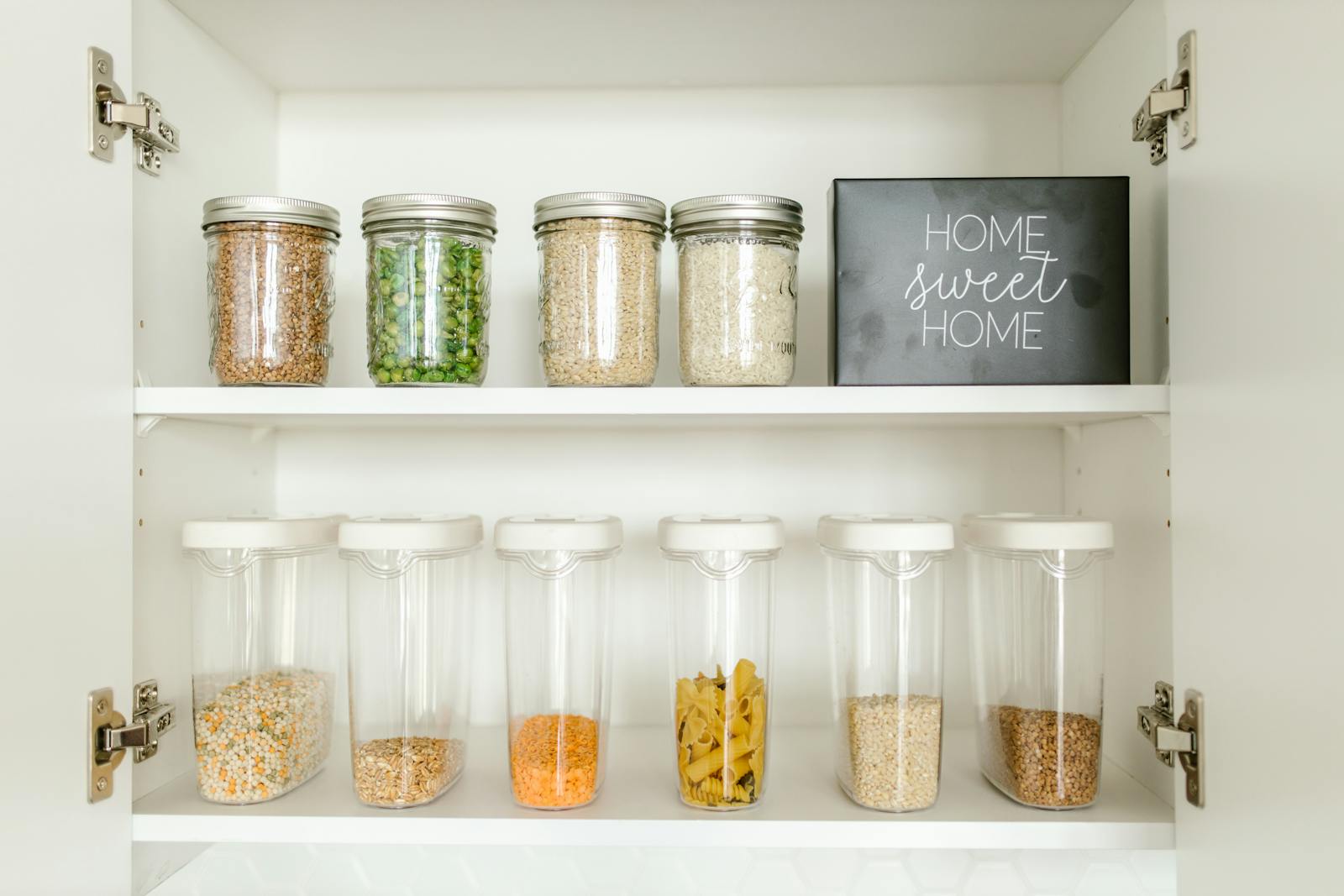
Imagine opening your pantry to be greeted by a chaotic jumble of canned goods, expired grains, and half-opened packets of snacks. For preppers, whose goal is to stockpile efficiently for emergencies, such disorder is not just an inconvenience—it's a potential threat to survival.
A well-organized pantry ensures that essential supplies are not only accessible but also preserved and rotated to minimize waste. The journey towards a perfectly organized prepper pantry may seem daunting, but with the right hacks, transforming chaos into order is entirely achievable.
In the world of prepping, space is often at a premium, and every inch counts. Understanding how to maximize your pantry’s capacity without compromising accessibility is crucial. Did you know that the average household throws away more than 30% of its food due to poor storage practices?
By implementing practical and creative pantry organization hacks, preppers can reduce waste, save money, and ensure that they are ready for any situation life throws their way. From strategic shelving to smart labeling techniques, the path to an optimized pantry is lined with simple yet effective steps that can make all the difference when it matters most.
Shelving Strategies for Maximizing Space
One of the fundamental Pantry Organization Hacks for Preppers is rethinking how you use your shelving. Standard flat shelves often leave dead zones that go underutilized. To combat this, consider investing in adjustable wire or metal shelving systems that let you tailor shelf height to your supplies.
Taller containers can fit on one level, while smaller items can stack two or three deep without wasting vertical space. This flexibility ensures that every inch is purposefully filled. Another smart approach is the use of shelf risers and tiered organizers.
These inexpensive accessories instantly create a two-tier display on any shelf, giving you better visibility of what’s stored in the back and preventing items from getting lost. By bringing products forward, risers help reduce the temptation to overstock because you can clearly see your current inventory.
Coupled with grouping similar items—like cans on one shelf and dry goods on another—your pantry becomes a model of efficiency, ready to serve in a pinch.
Container Solutions for Efficient Storage
Investing in the right containers transforms your pantry from a jumbled mess into a well-oiled machine. Clear, airtight containers are invaluable because they protect contents from pests, moisture, and dust—three pantry menaces that can compromise preparedness.
When preppers stockpile bulk grains, beans, or flours, transferring them into BPA-free, airtight bins not only extends shelf life but also streamlines access and inventory checks. For smaller items—spices, baking supplies, or single-serve snacks—consider modular stackable containers.
Their uniform shape maximizes shelf real estate, and snap-tight lids keep everything fresh. Look for containers with measurement markings for quick portioning. As an added bonus, clear fronts or labels on these bins make it easy to locate exactly what you need, eliminating frantic searches during critical moments.
Importance of Proper Labeling Systems
A well-labeled pantry saves valuable time and drastically reduces mistakes. Without labels, you risk grabbing a substituted item or missing expiration dates. Start with a basic color-coded system: red for emergency essentials, blue for daily staples, and green for long-term storage.
Using waterproof labels or a quality label maker ensures that your tags stay legible, even under humid conditions. Moreover, include key information on each label—product name, purchase or repackaging date, and recommended use-by date. T
his level of detail turns your pantry into a transparent, easy-to-manage inventory system. Consistent labeling reinforces the first-in, first-out principle, helping to rotate stock effectively and minimize waste.
Rotation Techniques to Prevent Food Waste
Effective rotation is central to Pantry Organization Hacks for Preppers. Without it, you may find perfectly edible supplies spoiling at the back of the shelf. Implement a “first in, first out” (FIFO) protocol by placing newly purchased items behind older stock. This simple habit ensures that older items get used first, preventing expiration surprises.
Another rotation tool is the use of date trackers—small, dry-erase tags or stickers that mark when items were added. This visual cue speeds up the rotation process during routine pantry checks. Pair these trackers with dedicated “use soon” bins for items nearing their expiration dates.
By separating at-risk products, you maintain a clear overview of what needs attention, ultimately reducing the chance of waste.
Categorizing Supplies for Easy Access
Grouping items by category transforms your pantry into a logical, efficient system. Start by dividing supplies into broad groups—canned goods, grains, proteins, snacks, baking essentials, and emergency tools. Within each category, further divide by type or use: for example, split canned goods into vegetables, fruits, and proteins.
Use dedicated baskets or bins labeled with each group’s name. Stackable crates or pull-out baskets work particularly well for heavier items like jars and cans. By visually segmenting your pantry, you’ll always know exactly where to find what you need, even under pressure.
Utilizing Vertical Space with Hanging Organizers
When floor and shelf space run out, look upward. Hanging organizers, whether over-the-door or ceiling-mounted, unlock additional storage that often goes unused. Over-the-door racks are perfect for spices and small packets, freeing up shelf real estate for bulkier items.
Simply slide the rack onto your pantry door and fill each pocket. For a more heavy-duty solution, ceiling-mounted wire baskets can hold lightweight goods like paper goods, linens, or emergency blankets. These baskets hang from hooks or rails attached to the ceiling, keeping infrequently used items out of the way while still easily retrievable.
By tapping into vertical zones, you effectively expand your storage capacity without purchasing new shelving.
Temperature and Humidity Control in the Pantry
Maintaining consistent temperature and humidity levels is a cornerstone of Pantry Organization Hacks for Preppers. High heat and moisture accelerate spoilage and invite mold. If possible, locate your pantry in a cool, dry area away from appliances that generate heat.
Avoid corners that trap humidity or fluctuate in temperature. For optimal control, install a small hygrometer and thermometer to monitor conditions. If humidity exceeds 50%, place silica gel packs or moisture absorbers on shelves. Likewise, portable dehumidifiers can help stabilize the environment in damp basements or enclosed pantries.
By keeping your supplies in the ideal climate, you preserve both freshness and nutritional quality—critical factors when every resource counts.
Quick Access Essentials: Emergency Grab-and-Go Kit
No prepper pantry is complete without a dedicated grab-and-go kit. Designate a clearly marked bin or backpack near the pantry entrance, packed with high-priority items: bottled water, energy bars, multi-vitamins, essential medications, and a basic first-aid kit.
These Pantry Organization Hacks for Preppers ensure that in an emergency, you can depart swiftly without second-guessing what to take. Check and rotate contents of the grab-and-go container monthly. Swap out expired items, replenish supplies, and update any perishable goods.
Having this kit always at the ready provides peace of mind that, should you need to evacuate, you’re carrying the most critical supplies first.
DIY Pantry Projects to Optimize Storage
Bespoke DIY projects can tailor your pantry to exact needs while keeping costs down. A simple pegboard installation on an empty wall can hold baskets, hooks, and small shelves for utensils, scissors, or clip-on bins. This versatile system adapts as your storage needs evolve, giving a custom touch to your prepper pantry.
Another popular project involves PVC pipe organizers. Cut sections of large-diameter pipe, mount them horizontally on a shelf, and slide in cans or mailing tubes. This setup prevents cans from rolling and lets you see inventory at a glance. A wooden pallet repurposed as a spice rack or file sorter turned grain dispenser are other budget-friendly hacks.
Creativity is key—using everyday materials, you can build systems that precisely match your pantry’s unique requirements.
Maintaining Your Organized Prepper Pantry
Achieving and sustaining an efficient prepper pantry revolves around consistency. Regularly revisit your shelving arrangements, container setups, and labeling system to ensure everything remains functional and clear.
By applying these Pantry Organization Hacks for Preppers—from adjustable shelving to temperature control—you’ll minimize waste, streamline meal prep, and guarantee that you’re ready for any emergency. A well-maintained pantry isn’t just an organizational victory; it’s a vital component of peace of mind and survival readiness.




0 Comments