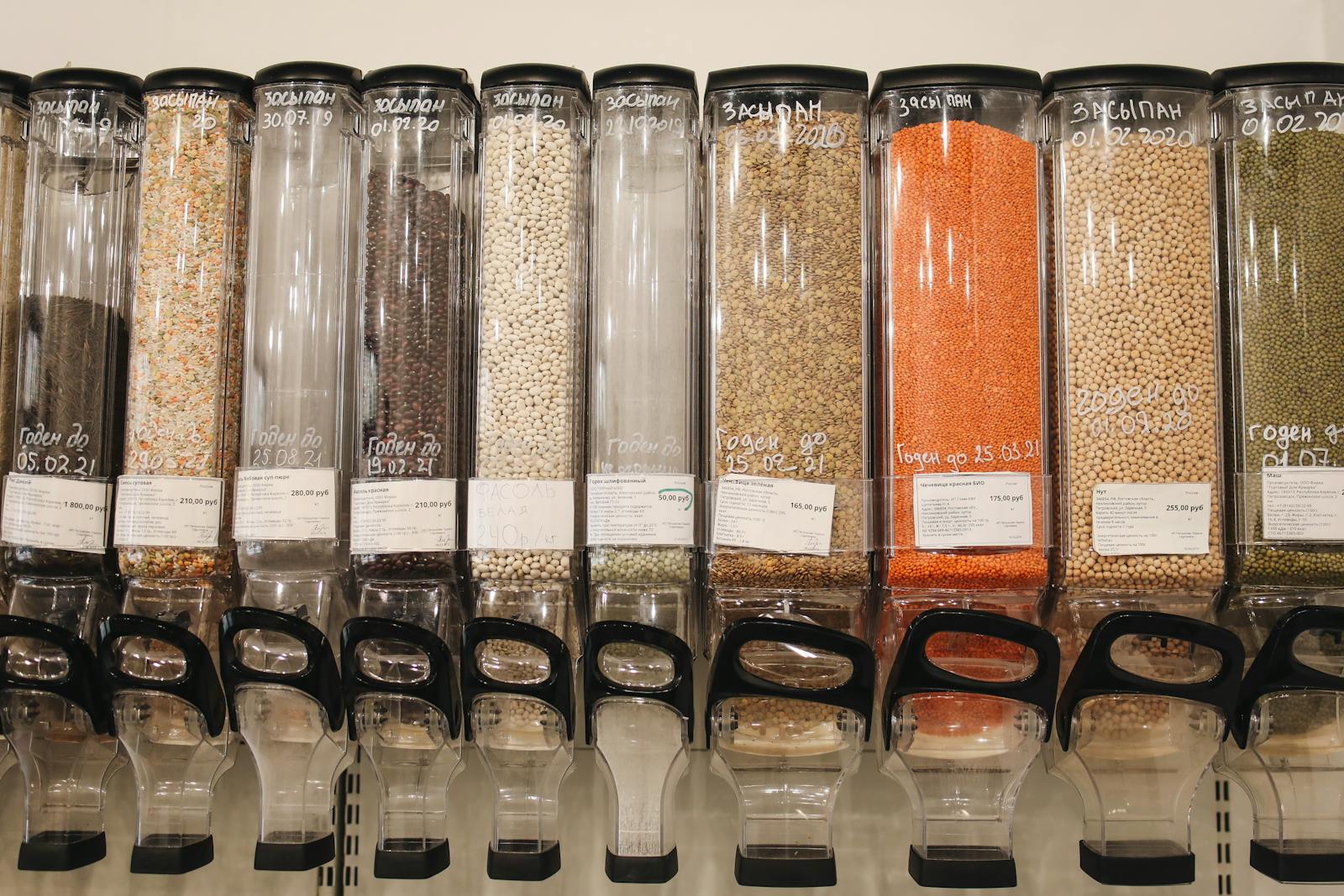
Imagine harvesting a bountiful crop only to find your hard work devoured by pests during storage. It's a scenario many face, turning triumph into frustration. For farmers and food enthusiasts alike, safeguarding grains against invasive critters is not just about preserving food; it's about securing investments and ensuring livelihood sustainability.
Fortunately, understanding how to store grains long-term without pests is a game-changer in maintaining both quality and quantity. As you delve deeper into the art of grain storage, you'll discover it's an intricate balance of science and strategy.
From choosing the right containers to controlling moisture levels, every decision plays a crucial role in preventing pest infestations. This blog post will guide you through efficient methods and innovative techniques that transform your grain storage practices.
By mastering these skills, you're not just protecting your harvest; you're mastering a vital aspect of agricultural success that stands the test of time.
Selecting the Ideal Storage Containers
Choosing the right storage container is the foundational step in learning how to store grains long-term without pests. Your selection should prioritize materials that are food-grade, durable, and pest-resistant. Common options include heavy-duty plastic buckets with airtight lids, galvanized steel bins with tight-sealing gaskets, and thick glass jars for smaller quantities.
Each option comes with its own set of advantages: plastic buckets are lightweight and stackable, steel bins offer robust protection against rodents, and glass jars allow for easy inspection of grain condition.
When selecting containers, always confirm that they meet food-safety standards to avoid chemical leaching and off-flavors. Capacity planning also plays a critical role. Opt for containers that match the volume of grain you intend to store—overfilling can compromise seal integrity and underfilling invites excess oxygen, which fosters spoilage and insect activity.
Look for containers equipped with screw-top lids, bayonet-style locks, or lever-operated clamps that ensure an airtight closure. Some models even come with built-in desiccant packs or oxygen absorbers to further inhibit pest growth.
By carefully matching container type, size, and sealing mechanism to your storage needs, you establish the first line of defense against unwanted invaders.
Implementing Proper Grain Cleaning Techniques
Effective grain cleaning eliminates debris and immature insects, reducing the initial pest load before storage. Start by sieving the grain through fine mesh screens to remove chaff, stones, and husks that can harbor insect eggs. Subsequently, use an aspirator or blower to separate lighter impurities.
Cleaning not only lowers the chance of infestation but also enhances the overall quality and appearance of the stored grain. Make sure to perform the cleaning process in a well-ventilated area to minimize airborne dust and allergens.
Once pre-cleaned, consider using a color sorter or gravity table if you have access to advanced equipment; these machines further purify your grain by removing discolored or underweight kernels. After mechanical cleaning, inspect the grain visually for signs of damage or infestation.
Discard any suspicious batches or quarantine them for re-cleaning. Implementing these steps diligently ensures your grains enter storage with minimal pest presence, setting up a strong defense from day one.
Monitoring and Controlling Moisture Levels
Maintaining the proper moisture level in stored grains is crucial for preventing mold growth and insect development. Most grains store best at moisture contents between 12% and 14%. Use a calibrated grain moisture tester to measure moisture levels before and during storage.
If moisture exceeds recommended thresholds, spread grains thinly on a clean, dry surface and use a fan or grain dryer to bring levels down. Conversely, in extremely dry conditions, consider adding humidity with a controlled humidification system; overly dry grain can crack and become more susceptible to pests.
During storage, regularly check moisture at multiple points within the container, especially near walls where condensation might form. Place moisture probes at various depths and locations to get an accurate reading. If readings spike, immediately open lids in low-humidity conditions or use desiccants to restore balance.
By actively monitoring and adjusting moisture, you create an environment that deters pests and protects grain quality over the long term.
Utilizing Natural Pest Deterrents
Incorporating natural pest deterrents offers a non-toxic approach to protecting stored grains. Essential oils like neem, peppermint, and clove have insect-repellent properties and can be applied by soaking cotton balls and placing them inside storage containers—avoiding direct contact with grains.
Diatomaceous earth (food-grade) is another effective barrier; when mixed lightly with grains, its fine particles puncture insect exoskeletons, leading to dehydration. Because diatomaceous earth is inert and non-chemical, it’s safe for human consumption as long as the food-grade variety is used.
Another age-old method is using botanical dusts such as pyrethrum and rotenone, which are derived from flowering plants. These natural powders disrupt insect nervous systems while posing minimal risk to humans. Rotate between different natural deterrents to prevent pests from adapting.
Strategic placement of bay leaves or dried chili peppers around storage areas can also stave off weevils and moths. By layering these eco-friendly solutions, you maintain an inhospitable setting for pests without relying solely on synthetic chemicals.
Applying Safe Insecticides or Treatments
For heavy infestations or large-scale operations, you may need to supplement natural methods with approved insecticides. Choose only those labeled for stored-grain use, such as spinosad or pirimiphos-methyl. Always follow manufacturer instructions regarding dosage and safety precautions.
Apply treatments to empty, cleaned containers before adding your grain to ensure full coverage and eliminate any lurking pests. Wearing protective gear, including gloves and masks, is crucial to safeguard your health during application.
In addition to surface treatments, consider controlled fumigation for sealed bins. Phosphine gas, when administered by licensed professionals, penetrates deeply into grain masses and controls insects at every life stage. This approach requires strict adherence to safety protocols and proper aeration post-treatment.
Record each application date and chemical used in a logbook to track treatment intervals and comply with regulatory standards. By blending targeted insecticides with other preventive measures, you achieve comprehensive pest control in long-term storage.
Establishing Regular Inspection Protocols
Routine inspection is the backbone of an effective pest management plan. Schedule monthly checks for visual signs of infestation—look for frass, webbing, live insects, or powdery residues near container seams. Use a flashlight to illuminate dark corners and walls inside bins.
Maintain a log of inspection dates, observations, and corrective actions taken to establish accountability and track recurring issues. Beyond human inspection, deploy monitoring devices such as pheromone traps or sticky cards within storage areas.
These tools attract and capture specific grain pests, providing early warning before populations explode. Position traps at different heights and orientations to cover the entire storage space. When a threshold number of pests is caught, initiate targeted cleaning or treatment procedures immediately.
Consistent monitoring not only curbs infestations early but also informs you of seasonal pest pressure, helping you refine your storage strategies over time.
Creating a Strategic Storage Layout
An organized storage layout minimizes pest movement and simplifies management. Keep containers off the ground—use pallets or shelving systems to promote air circulation and discourage rodents. Arrange bins in a grid pattern with adequate aisle space for inspections and maintenance.
Clearly label each container with the grain type, harvest date, and moisture content to avoid confusion and ensure FIFO (first in, first out) inventory rotation. Rotate older stock through use before newer harvests to prevent long-stored grain from becoming a pest magnet.
Maintain a clean perimeter around storage areas by removing debris, spilled grain, and vegetation that could harbor rodents or insects. If possible, dedicate separate zones for incoming and outgoing grains to prevent cross-contamination.
Consider color-coding shelving or using signage to delineate storage categories. By crafting a thoughtful layout that emphasizes accessibility, cleanliness, and rotation, you reinforce pest prevention while optimizing operational efficiency.
Implementing Temperature Control Measures
Pest activity accelerates in warm conditions, so controlling temperature is vital for long-term preservation. Aim to keep storage temperatures below 15°C (59°F) whenever feasible. In large-scale facilities, install climate control systems—fans for ventilation, evaporative coolers, or air conditioning units.
For smaller operations, passive methods like underground or shaded storage and insulated containers help maintain cooler conditions naturally, reducing energy costs and insect metabolism.
Temperature monitoring should be continuous, using digital probes or data loggers placed at various depths and areas within the grain mass. If you detect a temperature rise, increase aeration or introduce cool air during off-peak energy hours.
Grain chilling techniques, such as recirculating cool, dry air through the grain bulk, can dramatically reduce insect development rates. By mastering temperature control, you add another robust barrier against pest proliferation.
Incorporating Airtight Sealing Methods
Airtight sealing deprives pests of oxygen, creating inhospitable conditions for insects and mold. Vacuum-sealed bags are ideal for small to medium batches—remove air completely before sealing. For bulk storage, use hermetic bags or super grain bags made of multi-layer, oxygen-impermeable plastic.
These bags allow for microbial respiration while preventing air exchange, essentially suffocating any hidden larvae or eggs. Always inspect seals for pinholes or wear and replace compromised bags immediately.
In addition to hermetic packaging, consider using oxygen absorbers tailored to the volume of grain stored. Place them at the top of the grain column or within dedicated pouches dispersed throughout the container. As they absorb residual oxygen, these packs further lower oxygen levels to below 2%, halting insect respiration.
Combined with airtight containers, these methods create a sealed ecosystem where pests cannot survive, ensuring that your grains remain pristine over the months and years ahead.
Ensuring Long-Term Success in Pest-Free Grain Storage
Mastering pest-free grain storage hinges on integrating multiple defenses—from container selection and cleaning to moisture control, natural deterrents, and airtight seals.
Each element reinforces the others, creating a comprehensive system that deters, monitors, and eliminates threats before they become costly problems.
By consistently applying these strategies and refining your approach based on inspections and environmental conditions, you can store your harvest confidently and sustainably.
Implement these best practices today to safeguard your grains, protect your investment, and achieve long-term agricultural success.



0 Comments