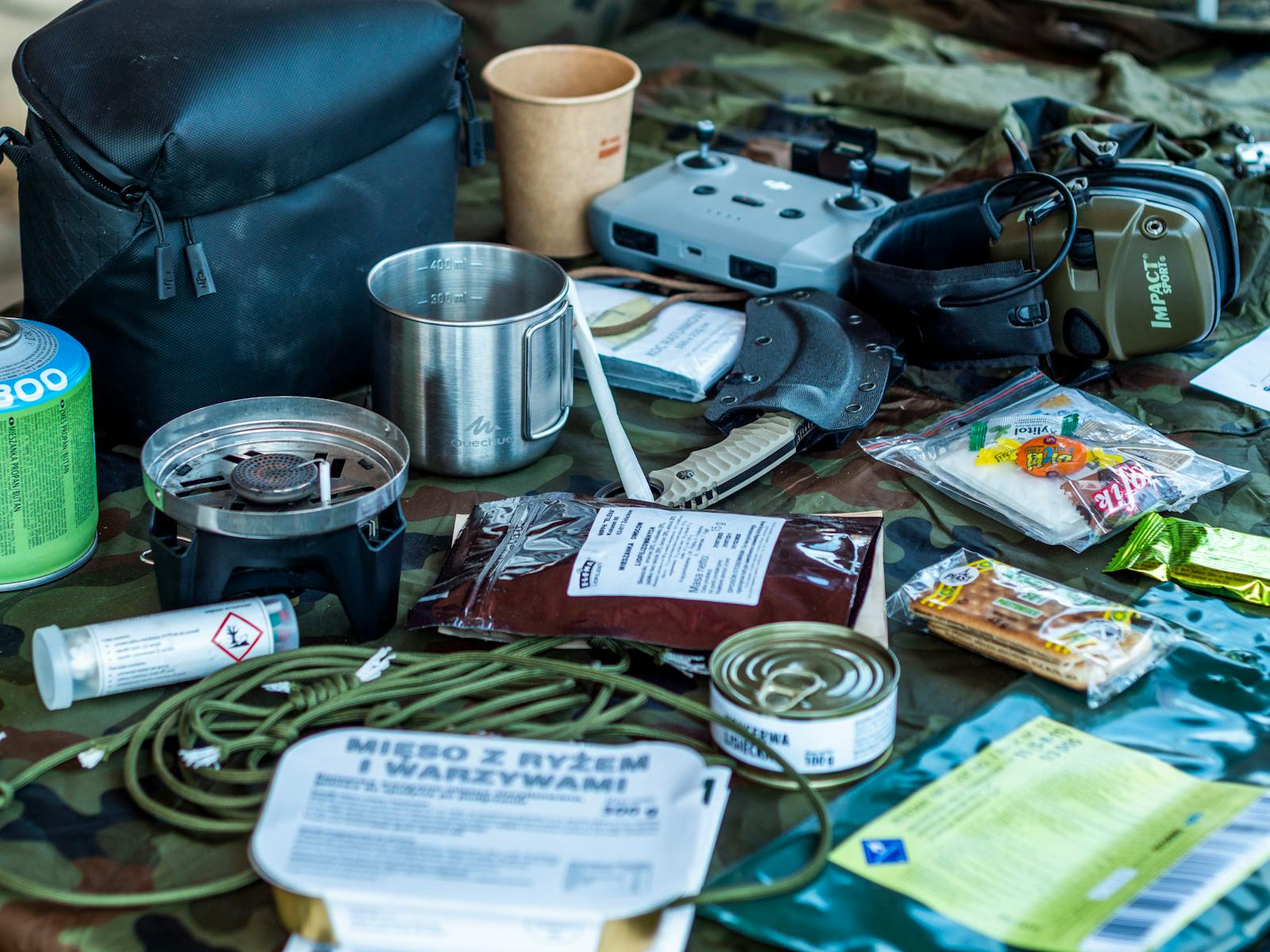
Survival situations don't announce themselves, which is why having a well-prepared 72-hour kit is critical for every season. But how many of us actually remember to update these kits as the year progresses?
Neglecting to tailor your emergency supplies for the changing seasons can leave you at a significant disadvantage when Mother Nature decides to test your readiness. Crafting a 72-hour kit that can adapt to both winter chills and summer warmth is more than just a checklist task—it's about understanding the unique demands of each season and ensuring you're equipped to meet them.
In this blog post, we delve into the essential steps of how to update your 72-hour kit for winter/summer, providing insights and practical advice that could make all the difference.
Whether it's choosing the right clothing layers for sub-zero temperatures or selecting items to keep you hydrated in high heat, we've got you covered. Stay tuned as we explore strategies to stay prepared, come rain or shine.
Assessing Seasonal Risks and Needs
Before you start swapping gear in your 72-hour kit, it’s crucial to assess the specific risks your region faces in winter and summer. Winter hazards often include hypothermia, frostbite, heavy snowfall cutting off roads, and frozen water sources.
Conversely, summer risks center on heat exhaustion, dehydration, wildfires, and severe thunderstorms or hurricanes. By mapping out the probabilities and potential severity of these events, you can prioritize items that will have the highest impact on your survival and comfort.
Begin by checking historical weather data and local emergency management advisories to understand typical seasonal threats. If you live in a region prone to blizzards and ice storms, your winter kit should emphasize insulation and fire-starting tools.
In areas with scorching summers, water purification and sun protection rank high. Additionally, consider secondary factors like power outages or road closures. A thorough risk assessment informs you which supplies to retain year-round and which to rotate out—ensuring that your kit remains both lean and highly functional throughout the year.
Winter-Specific Updates for Your Kit
When temperatures plummet, your 72-hour kit must reflect the need for warmth and protection against cold-related injuries. Start by swapping out any lightweight blankets for insulated sleeping bags rated for sub-zero conditions.
Include extra fire-starting materials—such as waterproof matches, ferro rods, and dry tinder—that will ensure you can heat up and stay warm even if your regular sources of shelter are compromised.
In addition to warmth, mobility is key. Cold fingers and toes can quickly turn a manageable situation into a life-threatening one, so pack hand warmers, toe warmers, and a quality insulated hat.
Don’t forget to stock a compact snow shovel and traction aids to help you navigate icy terrain. Finally, replace any summer-specific medical supplies—like aloe gel—with cold injury treatments such as chemical heat patches and emergency rescue blankets to treat hypothermia and frostbite effectively.
Summer-Specific Updates for Your Kit
As the mercury rises, staying cool and hydrated becomes your top priority. Swap insulated cookware for lightweight pots that double as cooling basins or water carriers. Add a reliable portable water filter and chemical purification tablets to guard against bacterial contamination when local water sources warm up and become breeding grounds for pathogens.
Sun exposure and heat stress are silent threats, so include a broad-spectrum SPF lip balm, cooling towels, and a collapsible sunshade or lightweight tarp. Consider packing electrolyte-replacement powders to maintain proper hydration and muscle function.
Lastly, assess your first aid kit for any temperature-sensitive medicines and replace them with heat-stable formulations if needed. By adjusting your kit for the summer climate, you’ll stay safer, more comfortable, and better able to respond to emergency situations.
Clothing and Footwear Considerations
Your clothing choices can make or break your 72-hour kit’s effectiveness. Instead of a single multipurpose jacket, adopt a layering strategy—base layer, insulating mid-layer, and waterproof outer shell—for flexible temperature regulation.
In winter, swap cotton-based garments for moisture-wicking merino wool or synthetic fabrics that dry quickly and insulate even when damp. Footwear deserves equal attention. In summer, lightweight, breathable hiking shoes or sandals with protective toe caps keep feet cool and prevent blisters.
For winter, transition to insulated, waterproof boots lined with a thermal membrane. Don’t forget to include extra pairs of socks: wool or synthetic blends for cold weather and moisture-wicking fiber for summer. This deliberate clothing swap ensures you stay comfortable and protected, regardless of the season.
Shelter and Bedding Modifications
Seasonal shifts demand that your shelter adapts to temperature extremes. In summer, prioritize breathable tents or tarps with ample ventilation to reduce heat buildup and condensation inside. Add a reflective tarp or heat-resistant bivvy sack to deflect the sun’s rays.
Conversely, for winter, choose a four-season tent with a robust frame able to withstand snow loads and high winds. Bedding adjustments are equally important. In warm months, use lightweight, mesh hammock tarps and summer-weight sleeping bags rated for mild temperatures.
As winter approaches, replace them with compact down or synthetic bags rated at least 10–15°F below your area’s lowest expected temperature. Include high-R-value sleeping pads and emergency blankets to insulate from the cold ground.
These modifications ensure you maintain a comfortable microclimate inside your shelter, reducing energy expenditure and improving survival odds.
Food and Water Supplies Adjustment
Both caloric intake and hydration needs fluctuate with temperature. In cold weather, your body burns more calories to stay warm, so stock high-fat, high-protein foods such as nut butters, energy bars, and freeze-dried meals rich in carbohydrates and fats.
Include easy-to-prepare, hot meal options like dehydrated soups and instant oatmeal to elevate core temperature and morale during winter outings. During summer, focus on lightweight, readily digestible foods that replenish electrolytes and won’t spoil in heat.
Think dried fruit, electrolyte powder packets, and shelf-stable protein shakes. For water, winter kits should include insulated containers to prevent freezing, while summer kits benefit from collapsible water bladders and portable filters.
Rotate supplies seasonally to prevent spoilage and guarantee freshness when you need them most.
Tools and Equipment Upgrades
Seasonal challenges can render some tools obsolete while elevating the usefulness of others. In winter, a sturdy ice axe or folding snow shovel can be lifesaving, helping you clear pathways or dig out a stranded vehicle.
Swap a regular multi-tool for one with a dedicated saw blade, ice-pick attachment, and a winterized lubricant to keep hinges from freezing up. For summer, trade the heavy shovel for a lightweight entrenching tool or folding trowel that can dig fire pits or latrine holes without adding unnecessary bulk.
Consider upgrading your fire-starting kit to include solar lighters or magnesium fire starters designed for wet conditions, as summer storms can make ignition challenging. By tailoring your tools seasonally, you maximize efficiency while minimizing weight—critical factors in any emergency scenario.
First Aid Kit Essentials for Different Seasons
Your first aid kit must address season-specific injuries. Winter brings risks of frostbite, hypothermia, and slips on ice, so add chemical heat packs, frostbite ointment, and a rescue blanket.
Insulated gloves and a compact thermometer can help you monitor and treat cold-related conditions promptly. In contrast, summer first aid needs revolve around dehydration, heatstroke, sunburn, and insect bites.
Include electrolyte-replacement salts, broad-spectrum sunscreen, aloe vera gel, antihistamines, and sting-relief pads. Rotate temperature-sensitive medications like epinephrine auto-injectors to ensure efficacy.
A well-stocked, seasonally adjusted first aid kit allows you to respond swiftly to common injuries and ailments without scavenging for specialized supplies under stress.
Documentation and Communication Updates
Emergency situations often require quick access to important documents and reliable communication methods. In winter, ensure all paper-based documents—identification, insurance policies, and emergency contacts—are laminated or stored in a waterproof bag to protect against moisture and freezing.
Add a satellite communicator or hand-crank weather radio with frost-resistant batteries to stay informed during power outages or when cell service fails. During summer, heat and humidity can degrade documents, so invest in high-quality, water-resistant digital storage devices and encrypted USB drives.
Replace alkaline batteries with lithium or rechargeable variants designed for high-temperature environments. Consider adding a solar charger compatible with your communication gear to harness abundant daylight. By keeping your documentation and communication tools updated for each season, you maintain connectivity and critical information access when it matters most.
Staying Prepared Year-Round
Regularly reviewing and updating your 72-hour kit according to seasonal demands ensures you remain resilient in any emergency. By tailoring your supplies—clothing, food, tools, and medical gear—to the unique challenges of winter and summer, you optimize both safety and comfort.
Remember, the goal of How to Update Your 72-Hour Kit for Winter/Summer is not just to check boxes on a list, but to create a dynamic kit that adapts to changing conditions. With these strategies in place, you’ll be ready to face the elements head-on, no matter the season.


0 Comments