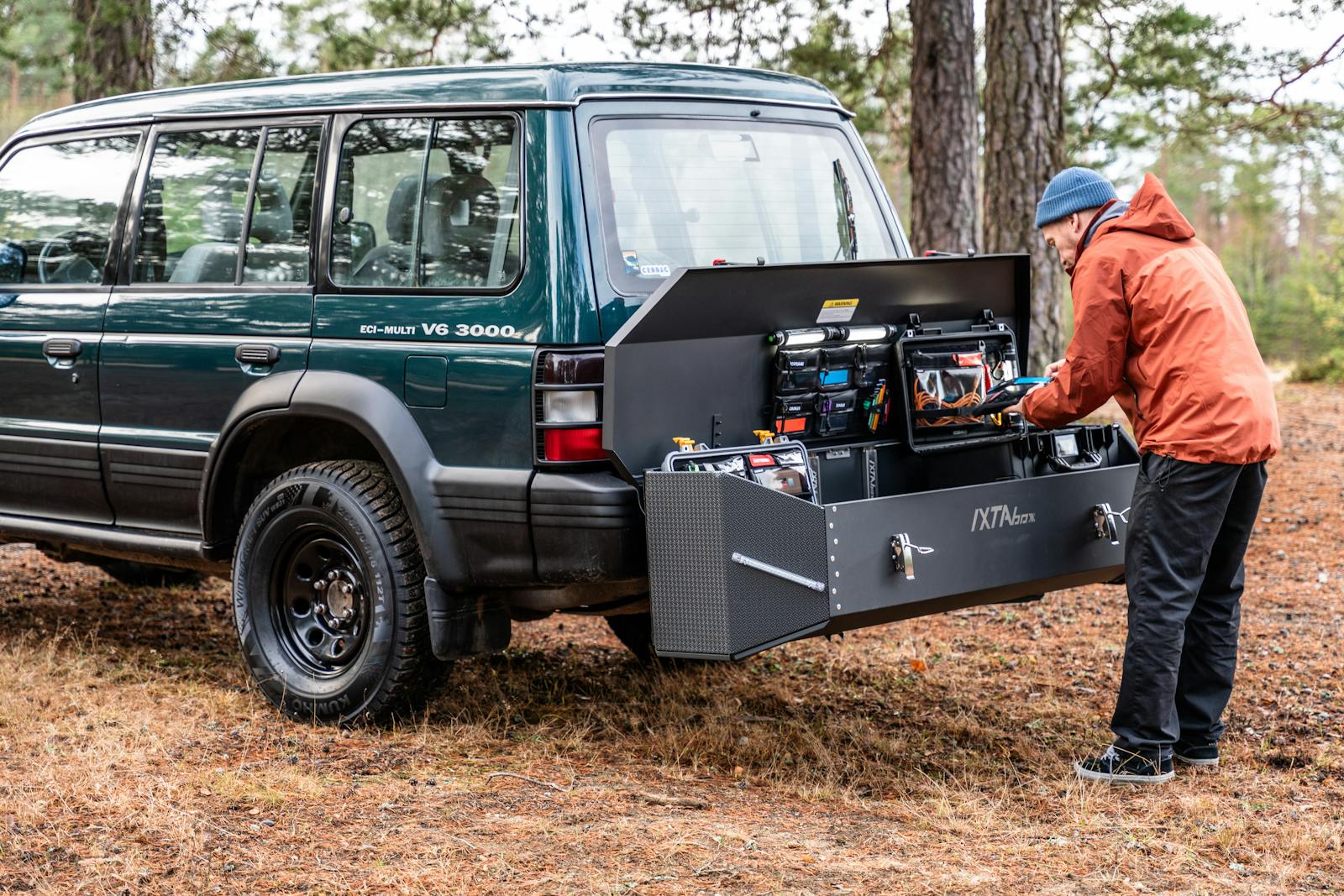
Imagine standing in a crowded room, where casual conversations flow about weekend plans and the latest Netflix series. Suddenly, the topic shifts to emergency preparedness, and you feel a tightening in your chest. You’re passionate about being ready for anything life throws your way, but there’s a nagging concern that planning for potential disasters might label you as paranoid or, even worse, a doomsday enthusiast.
This fear of judgment is not uncommon, and it often stalls people from taking those first crucial steps towards preparedness. In this blog post, we’ll explore how you can navigate the world of prepping with confidence and subtlety, ensuring your efforts are both practical and socially acceptable.
Prepping doesn’t have to mean building an underground bunker or stockpiling years’ worth of canned goods. We’ll guide you on how to start prepping without looking “crazy” to friends, focusing on practical, everyday actions that blend seamlessly into your lifestyle while providing peace of mind.
Whether it's assembling a thoughtful emergency kit or simply having an open conversation about safety, you'll learn how to embrace preparedness while maintaining your social equilibrium.
Debunking Prepping Stereotypes
When you embark on learning How to Start Prepping Without Looking “Crazy” to Friends, the first hurdle often lies in outdated stereotypes. Popular culture loves to caricature preppers as bunker-dwelling loners hoarding toilet paper and canned beans for the apocalypse.
These images, while entertaining on screen, have little resemblance to the responsible, community-minded individuals who genuinely value preparedness. By understanding where these stereotypes come from, you can consciously choose actions and language that distance yourself from the caricature.
Despite what media portrayals suggest, prepping is not an extreme sport—it’s simply proactive planning. Instead of pictures of gas masks and fortified compounds, think of common-sense steps like having a first-aid kit in your car, storing extra phone chargers at home, or keeping a few nonperishable snacks at your desk.
By focusing on realistic, incremental measures, you subtly demonstrate that prepping is about sensible risk management rather than fear-driven isolation. Over time, friends will see your practical habits as smart planning rather than “crazy” paranoia.
In reality, many people already dabble in prepping without labeling it as such. From parents packing emergency snacks for school field trips to hikers carrying water filters on the trail, preparedness is woven into daily life.
By reframing typical activities—such as checking weather updates, maintaining a well-stocked pantry, or keeping road flares in your trunk—you undermine the loud stereotypes and show that prepping is simply part of being a responsible adult. Your calm, rational approach will replace any preconceived notions, making it easier to share tips without feeling judged.
Understanding the Importance of Preparedness
True preparedness begins with acknowledging that unexpected events—from natural disasters to minor power outages—can happen to anyone at any time. Instead of viewing emergencies as remote possibilities, consider them as manageable challenges when you have the right tools and plans.
This mindset shift helps normalize conversations about prepping and underscores its relevance to everyday life. Preparedness brings more than just material readiness; it fosters confidence and reduces anxiety. When you know you have a plan for communication, basic supplies, and emergency protocols, you can face disruptions with calm composure.
This level-headed approach translates into reassuring presence among family and friends, showing that prepping is less about panic and more about personal empowerment. By highlighting these benefits in casual discussions, you illustrate how preparedness enhances well-being rather than reflecting irrational fear.
Moreover, understanding the importance of preparedness means recognizing that it’s not a one-and-done task—it’s an ongoing process. Regularly updating your emergency kit, reviewing your communication plan, and staying informed about local risks keep readiness fresh and effective.
By integrating these steps into your routine, you demonstrate that prepping is simply another aspect of maintaining a balanced, responsible lifestyle. Your consistent, moderate approach will inspire curiosity and respect, rather than skepticism or ridicule.
Assessing Your Personal Risks
Before diving into supplies and plans, take a moment to assess the specific risks you face. Risk assessment helps you prioritize actions and investments, ensuring your prepping efforts are practical and tailored to your environment.
This step also adds credibility when you explain your choices, demonstrating that your preparations are measured rather than overblown. Start by listing potential hazards: severe weather, power outages, regional wildfires, or even minor but disruptive events like road closures.
Consider the vulnerabilities of your household—young children, pets, elderly relatives—and the daily activities that could be affected. By identifying actual risks, you avoid generic “apocalypse” scenarios that fuel negative perceptions and instead focus on realistic scenarios your friends can relate to.
Next, research local resources and threat levels. Check municipal emergency management websites, weather services, and community alerts. This data-driven approach shows you’re basing decisions on facts, not fear. When you share your findings with friends—perhaps over coffee or a group chat—they’ll see that your prepping is grounded in logic.
Framing your risk assessment as part of responsible decision-making helps normalize the conversation and reinforces that being prepared is simply part of adulting.
Creating a Basic Emergency Kit
Building a versatile, understated emergency kit is a cornerstone of practical prepping. Keep it simple, reliable, and easy to access, so it fits seamlessly into your life. An all-in-one bag in your closet or trunk is far less conspicuous than a shelf of canned goods, yet equally effective for many scenarios.
Begin with the essentials: water, nonperishable snacks, a flashlight with extra batteries, a basic first-aid kit, and a multi-tool. Customize your kit based on your risk assessment—include regional items like a dust mask for wildfire-prone areas or blankets for winter weather. Label compartments clearly and conduct quick checks every six months to swap expired items.
Personalize your kit to demonstrate its versatility: pack a portable phone charger, a small notepad and pen, hygiene essentials, and copies of important documents in a waterproof pouch. Store the kit in a discreet, everyday item like a duffel bag or backpack.
When friends see you grabbing your “gym bag” or “weekend planner” for a short trip, they won’t assume you’re preparing for doomsday—they’ll admire your organized approach to life’s uncertainties.
Developing a Communication Plan
Effective communication during emergencies can mean the difference between confusion and coordinated action. By creating and sharing a clear communication plan with family and friends, you demonstrate that prepping is as much about relationships as it is about supplies.
A simple plan shows that you prioritize everyone’s well-being, not just your own. Start by identifying key contacts and assigning roles—who will text updates, who checks on elderly relatives, and who secures pets. Choose multiple communication channels: phone calls, text messages, social media, or walkie-talkies if cell service fails.
Keep a printed list of these contacts in your kit and distribute digital copies via email or group messaging apps. Practice the plan with a small drill, such as a weekend “communication check-in,” and adjust based on feedback. Sharing these exercises casually—“Hey, let’s test our emergency group chat this Saturday”—normalizes the process and invites friends to join without feeling pressured.
This collaborative approach highlights that preparedness strengthens community bonds, making it a shared experience rather than an isolated obsession.
Incorporating Preparedness into Daily Life
One of the best ways to avoid looking “crazy” is to weave preparedness into everyday routines. When prepping becomes habitual—like checking the weather before work or topping off your gas tank—you demonstrate that it’s simply good planning, not extreme precaution.
Casual integration makes your actions appear routine rather than alarmist. For instance, use the time while waiting for your coffee to check local alerts on your phone or glance at your emergency contact list. Store a small first-aid kit in your car’s glove compartment and refresh it during your biannual car service. Keep spare phone chargers in your office drawer and at home.
By choosing inconspicuous locations and multipurpose items, your prepping habits blend into your lifestyle without drawing undue attention. Another strategy is to anchor preparedness to existing habits. Lay out your go-bag next to your gym bag or assemble snacks in the same drawer you keep your kids’ lunchboxes.
When friends notice your pre-packed “work essentials,” they’ll assume it’s part of your organized personality rather than a sign of impending doom. Over time, your subtle, consistent approach will demonstrate that prepping is not a bizarre hobby but simply another way you stay ready for whatever comes your way.
Sharing Preparedness Tips with Friends
When you feel confident in your own prepping, naturally the next step is sharing your knowledge. The key is to introduce tips in casual, relevant moments rather than in formal lectures. This approach keeps conversations light and friendly, preventing friends from feeling lectured or judged.
For example, if someone mentions being stuck in traffic due to a storm, you might mention the extra water bottles and snacks you keep in your car for such occasions. Or if a friend is traveling, you could casually suggest including a small power bank in their carry-on.
Framing tips as helpful suggestions for everyday annoyances makes them more palatable and showcases your preparedness as practical assistance, not fear mongering. Offer to host a low-key “gear swap” or a potluck where everyone brings one small emergency item to share.
This creates a fun, communal atmosphere around prepping and turns it into a social activity rather than a niche obsession. As friends participate and see the ease and benefits of simple preparedness, they may start adopting your habits—and praising your foresight. That positive feedback loop reinforces your confidence and normalizes prepping within your social circle.
Addressing Concerns and Misconceptions
Even with the best intentions, friends may express worries or misunderstandings about prepping. Listening openly and responding with empathy helps defuse tension and build trust. Acknowledge their perspectives and gently clarify any misconceptions to keep conversations constructive and respectful.
If someone worries that prepping is too expensive, explain how you prioritize low-cost items—like gathering duct tape, batteries, or canned beans during sales. When a friend thinks prepping is overly pessimistic, emphasize that your goal is resilience and peace of mind, not predicting doom.
By grounding your responses in relatable experiences—such as remembering how being stuck in a blackout made you grateful for a flashlight—you make your reasoning more convincing and less abstract.
Encourage open dialogue by asking about their concerns: “What worries you most about an emergency?” This shifts the focus from your actions to shared concerns, creating a collaborative problem-solving atmosphere. By validating feelings and offering practical solutions, you dismantle barriers and foster mutual respect.
Over time, addressing misconceptions thoughtfully will transform skeptics into allies, making it easier for everyone to appreciate the value of preparedness.
Connecting with Like-Minded Individuals
While it’s important to integrate prepping into your existing social circle, finding communities of like-minded individuals can boost motivation and knowledge. Online forums, local meetup groups, and social media pages dedicated to preparedness offer opportunities to exchange tips, share gear reviews, and participate in group drills.
These interactions help you refine your approach and provide a sense of camaraderie. When introducing friends to these communities, choose inclusive groups that emphasize practical skills over extreme rhetoric. Share interesting articles or invite a friend to a local emergency workshop at a fire station or community center.
Presenting such events as opportunities to learn valuable life skills—like basic first aid or fire safety—makes attendance seem sensible and beneficial rather than fringe. Networking with fellow planners also yields valuable resources, from DIY tutorials to bulk-purchasing deals.
When friends see you collaborating with a broader community, they recognize that prepping is a mainstream activity supported by experts and enthusiasts alike. This social proof helps legitimize your efforts, reinforcing that preparing for the unexpected is a shared, responsible endeavor—not an eccentric obsession.
Embracing Preparedness with Confidence
Prepping without looking “crazy” to friends is all about normalizing practical habits and framing preparedness as a responsible, everyday part of life. By debunking stereotypes, assessing real risks, and integrating simple strategies into your routine, you can cultivate peace of mind without feeling isolated or judged.
Remember, small steps—like keeping extra chargers in your car or organizing a low-key gear swap—go a long way toward showing that preparedness is common sense, not paranoia. As you share tips and involve friends in casual drills, you’ll build a supportive network that values readiness as much as you do. Embrace these strategies, and you’ll find that prepping can be both effortless and socially seamless.



0 Comments