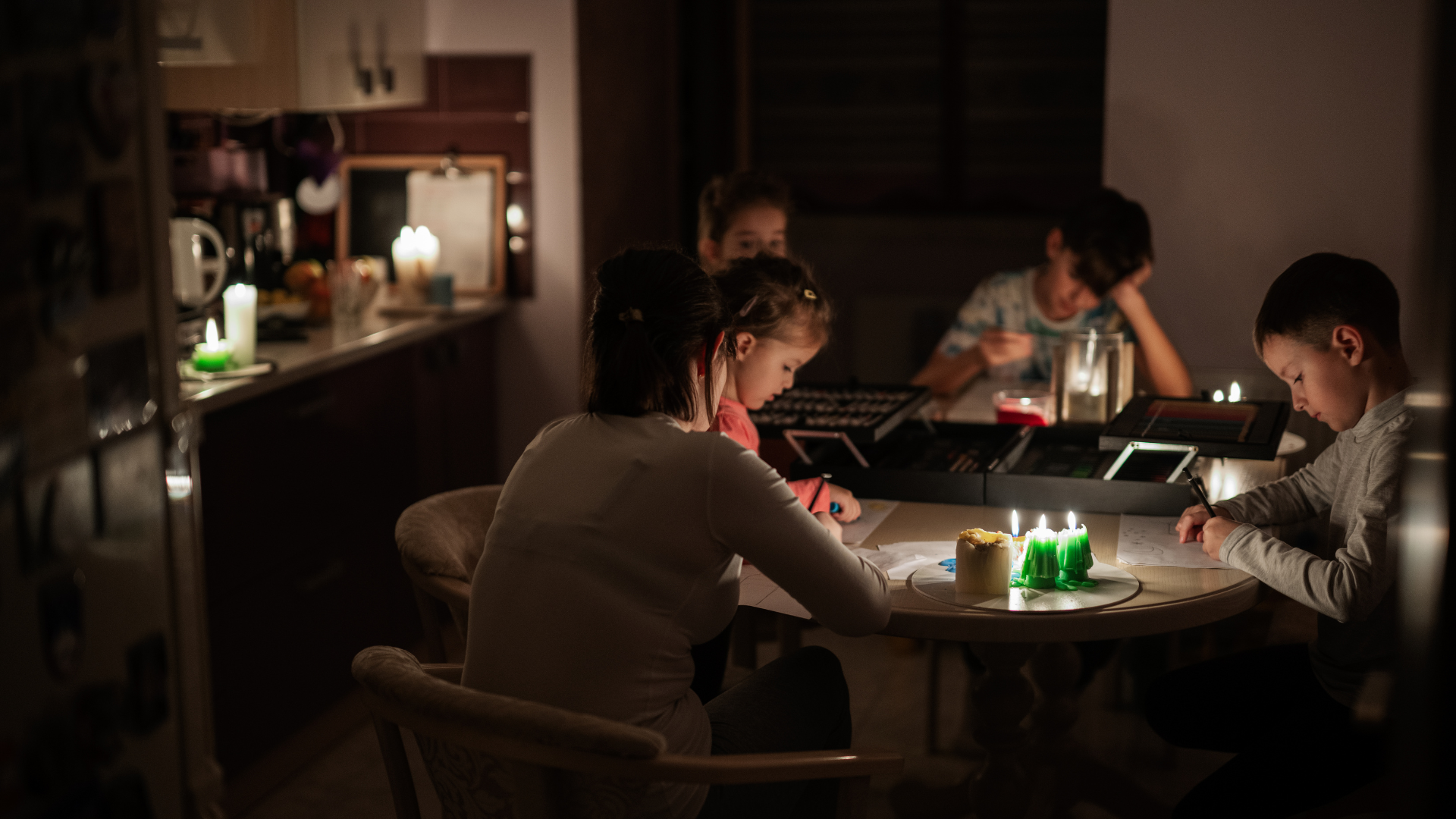
Imagine sitting comfortably in your living room, sipping on a warm cup of coffee, when suddenly—everything goes dark. The TV, the lights, even your WiFi signal disappear into an abyss of silence. Power outages are unpredictable and often leave us scrambling for candles or flashlights.
But what if there was a way to ensure that your cozy evening never gets interrupted, no matter how severe the blackout? Envision a home where the lights remain on, the refrigerator keeps humming, and the faint glow of your devices continues to keep you connected to the world outside.
This vision isn't just a fantasy; it’s entirely achievable with some foresight and preparation. In this blog post, we will walk you through the essential steps on how to make your home blackout-proof. Tackling power outages is not just about comfort; it's about safety and peace of mind.
We’ll delve into affordable solutions and practical strategies that can transform your home into a sanctuary of continuous power supply. From investing in backup generators to mastering efficient energy storage solutions, you'll discover how these methods can seamlessly integrate into your daily life.
By the end of this guide, you won't just be prepared—you'll become the neighbor everyone turns to for advice when the power goes out.
Understanding the Importance of Blackout-Proofing Your Home
When we talk about how to make your home blackout-proof, the conversation starts with the “why.” Power outages can strike without warning, leaving households vulnerable to spoiled food, disrupted communication, and compromised safety.
In regions prone to extreme weather—be it hurricanes, ice storms, or sweltering heatwaves—the inability to maintain essential functions can endanger health and well-being. Blackout-proofing is more than a luxury; it’s a necessity for resilient living.
Having a strategy in place ensures that critical appliances, such as refrigerators, medical devices, and heating or cooling systems, continue operating through disruptions. Additionally, maintaining lighting and communications helps prevent accidents in darkness and keeps you connected with emergency services or loved ones.
Even brief outages can be costly: electronic equipment can suffer surges, while businesses operating from home face downtime. This section lays the groundwork for why investing time and resources into blackout-proofing pays dividends in safety, convenience, and peace of mind.
Understanding the broader benefits—like stabilizing your home’s energy footprint and supporting local grid health—further highlights why every homeowner should prioritize blackout preparedness.
By conceptualizing power continuity as a component of your home’s ecosystem, you transform from a passive consumer of electricity into an empowered steward of your own energy security.
Assessing Your Home's Vulnerabilities to Power Outages
Before diving into solutions, you must evaluate where your home is most susceptible. Start by identifying critical circuits and appliances that require uninterrupted power—refrigeration, medical equipment, sump pumps, and essential lighting.
Map these circuits on a simple sketch of your electrical panel to understand which areas to prioritize in your blackout-proofing plan. Next, examine the physical vulnerabilities that could exacerbate power loss. Are branches near overhead lines? Is your meter box well-maintained and weatherproofed?
Do you have insurance coverage for power interruption losses? Compile a list of potential points of failure by walking around your property and noting anything that could disrupt power delivery.
This vulnerability assessment serves as the blueprint for targeted investments and upgrades, ensuring you allocate resources where they will have the greatest impact on resilience.
Investing in Reliable Backup Power Sources
Once you’ve mapped vulnerabilities, it’s time to secure backup energy. There’s a range of solutions—stationary and portable generators, solar battery banks, and uninterruptible power supplies (UPS). Your choice depends on budget, power requirements, and space considerations.
Stationary generators offer high capacity and automatic switches but require professional installation and ongoing maintenance. Portable generators cost less upfront and can serve multiple tasks, though they need manual setup and safe placement outdoors.
Beyond generators, modern lithium-ion battery systems paired with solar panels have surged in popularity. These eco-friendly setups charge during sunny hours and provide silent, emission-free power at night. A well-designed solar-plus-storage system can seamlessly kick in during an outage, powering essential circuits without fuel.
Smaller battery backups and UPS units safeguard sensitive electronics and networking gear for short durations, preventing data loss and abrupt shutdowns.
By diversifying your backup sources—combining generators, batteries, and small UPS units—you achieve layered protection that addresses short blackouts and extended outages alike.
Choosing the Right Generator for Your Home
Selecting a generator involves balancing power capacity, fuel type, runtime, and installation requirements. Start by calculating your home’s load: list essential appliances, note their startup wattages, and total continuous wattage needed.
Generators are rated by wattage, so ensure your chosen model comfortably exceeds the combined load for safe operation and to handle peak demands. Fuel options typically include gasoline, propane, or diesel. Gasoline generators are widely available but have shorter runtimes and require frequent refueling.
Propane models burn cleaner and can be connected to existing home propane tanks, giving longer endurance. Diesel generators are robust with excellent fuel efficiency for long outages, though they tend to be louder and more expensive.
Consider your geographic location and fuel accessibility when deciding. Installation factors—like automatic transfer switches, noise dampening, and maintenance accessibility—further influence your choice.
An inverter generator might cost more but offers quieter operation and cleaner power, suitable for sensitive electronics. Always consult a licensed electrician for hooking up a standby generator with an automatic transfer switch to ensure compliance with local codes and safe integration into your home’s electrical system.
Implementing Energy-Efficient Practices to Extend Power Supply
Adopting energy-efficient practices minimizes the load during an outage and extends backup runtime. Simple steps like upgrading to LED bulbs, sealing air leaks around windows and doors, and installing programmable thermostats reduce consumption.
By lowering baseline demand, your generator or battery system can run longer, serving truly critical appliances. Consider energy-efficient appliances—Energy Star-rated refrigerators, freezers, and HVAC units draw less power and cycle less frequently.
Smart power strips automatically cut power to idle devices, preventing “vampire” loads from draining precious backup resources. During normal operation, these upgrades pay off via lower energy bills; during blackouts, they stretch limited power reserves.
Behavioral changes also count: set thermostats a few degrees closer to ambient comfort, limit unnecessary electronics usage, and schedule high-energy tasks—like laundry or cooking—when grid power is available.
By combining efficient technology with mindful habits, you reduce the frequency and duration of total power depletion, making your home more resilient overall.
Securing Alternative Lighting Solutions for Dark Times
When the grid goes down, lighting becomes a priority for safety and functionality. While candles are traditional, they pose fire risks and limited illumination. Modern alternatives—LED lanterns, rechargeable headlamps, and battery-powered floodlights—provide bright, adjustable light without open flames.
Stock multiple units in key areas: hallways, kitchens, bedrooms, and near exits. Solar-powered garden lights offer another clever solution. During the day they absorb energy, then can be brought indoors or wired to outdoor circuits to illuminate entryways.
DIY kits allow you to rig these fixtures for indoor use during emergencies. Additionally, keep a stash of CR123A or AA batteries to ensure your portable lights stay powered.
By diversifying your lighting options—combining solar, battery, and rechargeable LED devices—you ensure continuous illumination, even when darkness falls unexpectedly.
Safeguarding Electronics and Appliances During Blackouts
Voltage surges and fluctuations are common when power cuts happen or restore suddenly. Protect sensitive electronics—computers, routers, TVs—from spikes by using surge protectors or UPS units. A UPS not only filters out surges but also provides temporary battery power, allowing safe shutdown of critical devices and preventing data loss.
For high-value appliances like refrigerators and freezers, automatic transfer switches linked to your generator ensure they resume operation without manual intervention, preserving perishables.
Smart plugs and energy monitors can automatically power down nonessential devices during outages, prioritizing critical loads. Label circuits in your breaker box so you can isolate noncritical zones quickly, preventing accidental overloads when backup sources kick in.
In addition to electrical safeguards, grounding and proper wiring maintenance reduce shock risks and equipment damage. Regularly inspect cords, outlets, and generator connections for wear or corrosion, replacing any compromised parts to maintain a robust defense against electrical hazards during blackouts.
Creating an Emergency Communication Plan for Seamless Connectivity
Staying connected is crucial during power failures, especially for weather updates, emergency alerts, and coordination with family or neighbors. Equip your home with battery-powered or hand-crank radios to receive local broadcasts when cell networks go down.
Keep portable power banks charged for smartphones, and consider investing in a solar charger to top off devices without relying on grid power. Establish a communication tree: assign roles and contact methods for every household member.
Determine primary and secondary channels—such as SMS, messaging apps, or two-way radios—for redundancy. Share important numbers (electric company, local shelters, neighbors) in both digital and printed formats, stored in accessible locations.
Practice sending test messages so everyone understands protocol, reducing confusion when a real outage occurs. By planning ahead, you ensure vital information flows smoothly, keeping your family informed and connected even in the darkest times.
Training Your Household on Blackout Response Protocols
A plan is only as effective as its execution. Conduct regular drills with your family to simulate power outage scenarios. Walk through turning off noncritical circuits, starting generators safely, and locating emergency lighting.
Review how to operate battery backups and solar chargers. Training reduces panic and fosters confidence when a real blackout hits. Create simple, visible checklists for key tasks—generator startup procedures, circuit isolation steps, and communication protocols.
Post them near the breaker panel and in common areas. Encourage children and guests to familiarize themselves with light switches, exit routes, and safe spots to assemble. Finally, schedule annual reviews of your blackout-proofing setup: test generators, replace expired supplies, and update contact lists.
Consistent practice transforms theoretical preparedness into automatic responses, ensuring every household member knows their role when the lights go out.
Achieving Peace of Mind Through Home Blackout-Proofing
Power outages may be inevitable, but their impact on your daily life doesn’t have to be. By following these easy steps on how to make your home blackout-proof—from assessing vulnerabilities to training your household—you build a resilient sanctuary that weathers any storm.
Investing in backup power, efficient practices, and reliable communication plans provides not just uninterrupted comfort, but true peace of mind. When the next blackout strikes, you’ll be the prepared neighbor with the lights on, fully confident in your home’s enduring power.




0 Comments