
In an increasingly unpredictable world, understanding your vulnerabilities can make the difference between preparedness and panic. Whether it's natural disasters, economic instabilities, or health crises, each person faces unique risks based on their circumstances, lifestyle, and location.
Instead of adopting a one-size-fits-all approach, wouldn't it be more effective to tailor your response strategies to fit your specific needs? This is where creating a personalized emergency risk profile becomes invaluable. It empowers you to analyze and prioritize potential threats and equips you with the knowledge to respond effectively.
Imagine possessing a detailed map that highlights all your potential risks while offering actionable steps to mitigate them. It's not just about having a plan; it's about having the right plan for you. In this blog post, we will delve into how to create a personalized emergency risk profile, enabling you to recognize your unique challenges and arm yourself with the tools to tackle them head-on.
Let’s take the first step towards ensuring safety and peace of mind by tailoring your preparedness plan to your individual needs.
Identifying Personal Vulnerabilities
The first step in how to create a personalized emergency risk profile is identifying your personal vulnerabilities. Every individual has unique factors—age, mobility, health conditions, employment circumstances, and living situation—that influence how they experience and respond to crises.
Begin by compiling a list of your own circumstances: do you have mobility challenges? Are you a caregiver for an elderly parent or young children? Do you have reliable transportation? Recognizing these elements allows you to tailor an emergency plan that accounts for your specific needs.
Next, consider your daily routines and dependencies. For instance, if you rely on public transportation to commute, note how service disruptions during severe weather or civil unrest could impact you. If you work night shifts, examine how reduced daylight hours might affect your safety outside the home.
Reflecting on where you spend most of your time—home, workplace, school, or other facilities—helps reveal blind spots in traditional emergency preparedness recommendations. This self-inventory establishes the foundation for a truly personalized profile.
Finally, assess psychological and emotional factors. Personal vulnerabilities aren’t solely physical. Stress levels, coping mechanisms, and past experiences with emergencies shape how you react under pressure. Ask yourself: Do you remain calm under stress, or do you panic?
Are you comfortable leading a group during an evacuation? These insights will guide the design of support networks and mental preparedness strategies within your broader plan. By thoroughly mapping out these personal vulnerabilities, you set the stage for a risk profile that speaks directly to your life and ensures you are prepared for whatever comes your way.
Assessing Potential Threats
Once you’ve identified your personal vulnerabilities, the next step in creating your personalized emergency risk profile is assessing potential threats. Threats range from natural disasters—such as floods, earthquakes, or hurricanes—to human-made events like power outages, cyberattacks, or civil unrest.
Start by researching the most common hazards in your geographic area. Government agencies and local emergency management offices often publish risk maps and historical data you can review online or at community centers. After pinpointing regional hazards, evaluate how each threat intersects with your personal situation.
For example, living in a coastal region heightens the risk of hurricanes. If you have limited mobility, evacuation routes might require special planning. If your neighborhood lacks robust infrastructure, prolonged power outages during storms become a prime concern.
By marrying regional threat data with your personal vulnerability list, you can assign priorities: which threats demand immediate attention, and which can be monitored over time? This targeted approach transforms overwhelming global risks into manageable, individualized challenges.
Furthermore, consider low-probability but high-impact events, such as pandemics or industrial accidents. Though these may seem remote, their consequences can be catastrophic, especially for those with underlying health conditions or limited access to resources.
Include all plausible scenarios in your assessment, and weigh their likelihood against the magnitude of potential harm. This thorough threat assessment phase is crucial—it refines your focus and ensures your emergency profile addresses the risks most relevant to your life.
Analyzing Environmental Risks
Environmental factors play a critical role in your emergency risk profile. From climate patterns to urban development, your surroundings influence both the frequency and severity of certain hazards. Begin by studying local environmental reports—these outline flood zones, wildfire-prone areas, air quality indices, and seismic activity levels in your region.
Next, observe day-to-day environmental conditions. Do you live near a chemical plant or major highway where accidents could result in toxic exposure? Are seasonal weather patterns predictable, or do sudden temperature swings and storms catch residents off guard? Understanding these dynamics helps you anticipate and adapt to evolving hazards in your community.
Evaluating Health and Medical Considerations
Your health status and medical needs demand careful attention when crafting a personalized emergency risk profile. Chronic illnesses, allergies, disabilities, and prescription medications all shape how you respond to crises. First, compile detailed medical information: list current diagnoses, required treatments, medication schedules, and emergency contacts for your healthcare providers.
Next, assess accessibility to medical facilities. How far is the nearest hospital? Are there mobile clinics or telehealth options during widespread emergencies? If you require specialized equipment—oxygen tanks, dialysis machines, or mobility aids—factor in backup power sources and maintenance supplies. Stock extra batteries, secure portable chargers, and create instructions for caregivers or neighbors to assist you in an emergency.
Additionally, consider mental health needs. Stress, anxiety, or post-traumatic stress disorder can intensify during emergencies. Include coping strategies such as mindfulness exercises, support group contacts, and emergency mental health hotlines in your plan. By incorporating both physical and mental health considerations, you ensure your emergency profile supports holistic well-being.
Understanding Financial Vulnerabilities
Financial stability is a crucial pillar in any personalized emergency risk profile. Economic downturns, job loss, or sudden expenses from disaster recovery can derail even the best-laid preparedness plans. Start by auditing your financial resilience: calculate savings, insurance coverage, emergency funds, and outstanding debts. Identify gaps—do you have sufficient coverage for home damage, medical bills, or displacement costs?
Next, explore resources that bolster your financial security. Government aid programs, community assistance funds, and disaster relief grants can provide critical support during crises. Build relationships with local charities, credit unions, or faith-based organizations that offer emergency loans or aid.
Additionally, if you’re self-employed or gig economy worker, investigate supplemental income options—part-time contracts or freelance work—to diversify revenue streams and cushion against sudden income loss. Finally, develop a cash reserves strategy. In many emergencies, electronic payment systems fail, leaving cash as the only viable option.
Determine how much liquid cash to keep on hand—enough for food, transportation, and temporary lodging—and store it securely. Periodically rotate bills to ensure they remain usable. By actively managing your financial vulnerabilities, you create another layer of resilience within your personalized emergency risk profile.
Creating a Customized Emergency Response Plan
With your vulnerabilities and threats mapped out, it’s time to craft a customized emergency response plan. This plan serves as the operational blueprint for acting swiftly and effectively when disaster strikes. Begin by defining clear objectives: safe evacuation, communication protocols, shelter-in-place procedures, and resource allocation priorities.
Next, allocate specific roles and responsibilities. If you live with family or housemates, assign tasks such as gathering emergency supplies, monitoring weather updates, or handling pets. Create checklists and flowcharts to simplify decision-making under stress. Include alternative routes and meeting points in case primary paths are blocked.
By outlining step-by-step actions tailored to your unique risk profile, you ensure that everyone involved knows exactly what to do, reducing confusion and response time. Finally, integrate backup measures. Power failures, network outages, or damaged infrastructure may disrupt your initial plan. Identify secondary options for transportation, communication, and shelter.
For instance, pre-arrange a rendezvous point with neighbors or designate a friend living out of town as an offsite contact. These redundancies strengthen your ability to adapt when primary solutions fail, making your emergency response plan both personalized and robust.
Building an Emergency Kit Tailored to Your Needs
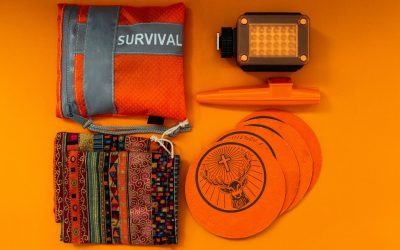
An emergency kit is only as effective as its relevance to your personal circumstances. A one-size-fits-all kit may overlook crucial items you require. Begin by listing essentials: water (one gallon per person per day), non-perishable food, first-aid supplies, and flashlights. Then layer in specialized items based on your risk profile.
If you have medical needs, include extra medications, syringes, or prescription copies. For infants, pack formula, diapers, and baby-specific hygiene items. Next, consider environmental and climatic factors. In hot regions, stock electrolyte solutions and sun protection; in colder climates, add thermal blankets and hand warmers.
If you rely on electric medical devices, secure a portable power bank or generator and enough fuel. For those with communication dependencies, include a NOAA weather radio and extra batteries or solar chargers. Finally, personalize comfort and safety tools. Pack copies of important documents (ID, insurance papers, prescriptions) in waterproof sleeves.
Add personal hygiene products, seasonal clothing changes, and entertainment items to reduce stress during prolonged sheltering. Regularly inspect and rotate perishables to maintain freshness. By tailoring your emergency kit to your unique needs, you reinforce the practical value of your personalized emergency risk profile.
Establishing Communication Protocols with Family and Loved Ones
Effective communication can be the linchpin of a successful emergency response. Start by creating a comprehensive contact list with phone numbers, email addresses, and social media handles for family members, friends, neighbors, and local emergency services. Designate an out-of-area contact—a relative or friend living elsewhere—who can serve as a centralized information hub if local networks become overloaded.
Next, decide on primary and secondary communication methods. If cellular networks are down, text messages often go through when calls fail. Consider investing in walkie-talkies, satellite phones, or ham radios for areas prone to severe infrastructure damage. Agree on code words or simple phrases that convey status updates without revealing sensitive information to unintended listeners.
Finally, conduct regular drills and check-ins. Schedule monthly or quarterly times to test your protocols—send a group text confirming everyone’s safety, practice radio transmissions, or hold family video calls. Document any breakdowns and adjust your plan accordingly. A reliable communication framework ensures that everyone stays informed and connected, reinforcing the strength of your personalized emergency risk profile.
Periodic Review and Updating of Your Risk Profile
An emergency risk profile is not a static document—it should evolve with your life and environment. Set a schedule to review and update your profile at least twice a year or whenever significant changes occur: a new home, job shift, health diagnosis, or family addition. Mark these review dates on your calendar and treat them as essential appointments.
During each review, reassess personal vulnerabilities, financial standing, and regional threat landscapes. Replace expired supplies in your emergency kit, update contact information, and tweak your response plan based on lessons learned from drills or actual events. Solicit feedback from household members and neighbors to identify overlooked risks or improve coordination strategies.
By embedding periodic revisions into your routine, you ensure that your preparedness efforts remain relevant and effective. This continuous improvement loop is the backbone of how to create a personalized emergency risk profile that adapts to your ever-changing world, keeping you one step ahead of potential crises.
Empowering Yourself with a Personalized Emergency Risk Profile
Developing a personalized emergency risk profile transforms overwhelming fears into actionable plans. By identifying your unique vulnerabilities, assessing potential threats, and tailoring responses to your circumstances, you gain confidence in your ability to handle crises.
Regular reviews, open communication, and customized resources make your preparedness dynamic and resilient. Ultimately, learning how to create a personalized emergency risk profile means equipping yourself and your loved ones with a roadmap to safety—no matter what challenges lie ahead.


0 Comments