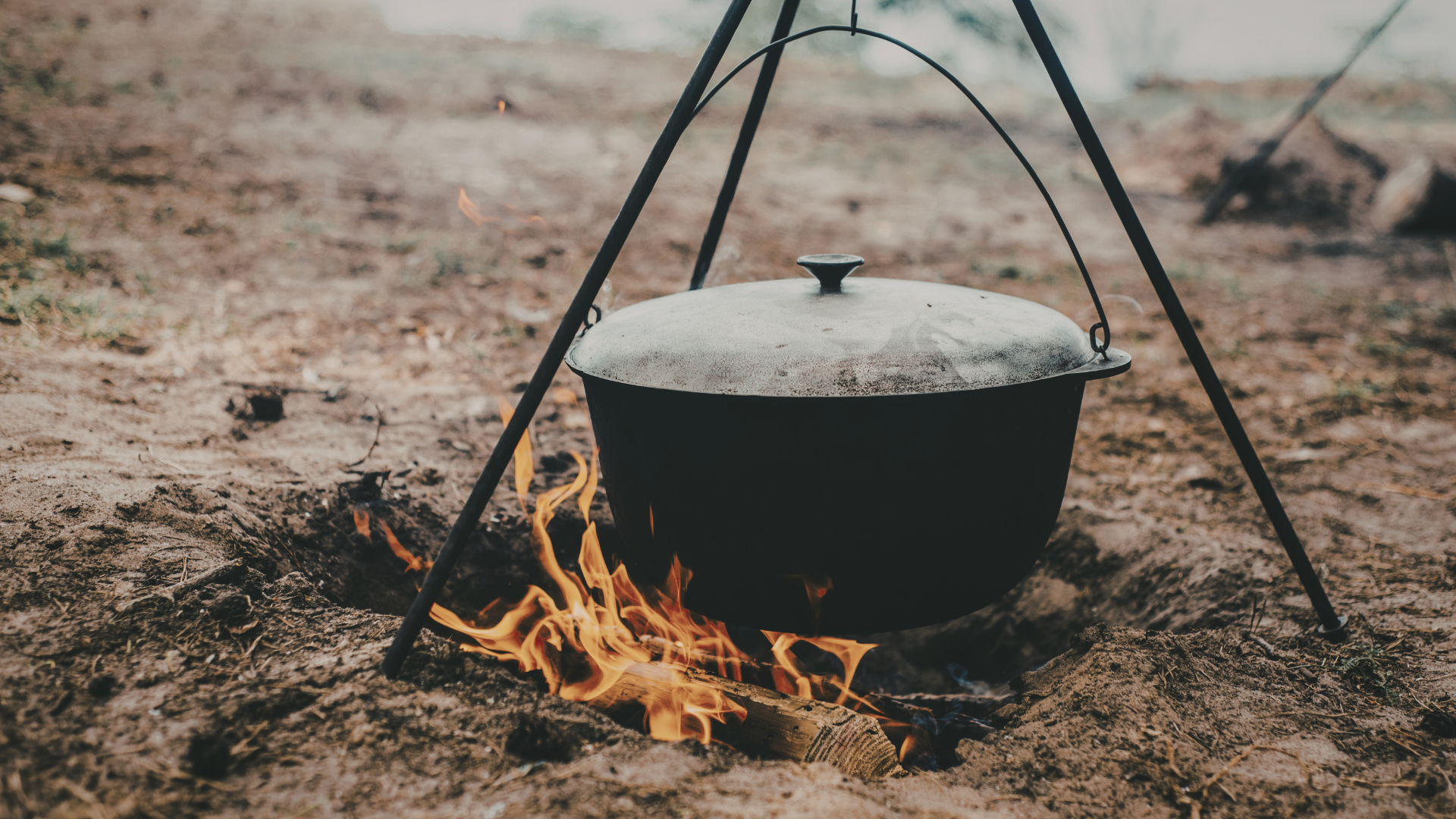
There’s something undeniably primal and fulfilling about cooking over an open fire. The crackling flames, the smoky aroma that wafts through the air, and the unmistakable taste of food kissed by fire bring a certain magic that no modern kitchen can replicate.
Yet, for many, the prospect of turning this age-old method into a successful culinary adventure can seem daunting. The fear of charred dinners and smoky disasters looms large. But what if we told you that mastering the art of cooking over an open fire (without burning everything) is not only possible but also simpler than you might think?
In this blog post, we will unravel the secrets to achieving perfect results every time you decide to embrace this rustic cooking method. From understanding the dance of flames to selecting the right tools and ingredients, we offer insightful techniques honed by experienced outdoor cooks.
Whether you’re a novice camper or a seasoned backyard grill master, our tips will equip you with the confidence to transform mere campfire meals into unforgettable experiences.
Prepare to elevate your outdoor cooking game and impress your friends and family with sumptuous feasts, all lovingly crafted over an open flame.
Understanding the Dynamics of Fire
When learning how to cook over an open fire without burning everything, the first step is grasping fire’s fundamental components: heat, fuel, and oxygen. Heat provides the energy necessary for cooking, fuel sustains the flames, and oxygen keeps the fire burning.
Balancing these three elements is akin to orchestrating a symphony—too much or too little of any one component can affect the temperature and stability of your fire. A well-balanced fire burns steadily and evenly, offering consistent heat that allows you to cook food thoroughly without scorching the exterior.
Start by building a proper fire lay. A simple teepee or log cabin structure encourages good airflow and a hot core, while a larger bed of hot coals provides a stable heat source. Allow your fire to burn down to glowing embers before you begin cooking; this stage produces more consistent, radiant heat than roaring flames.
Understanding the life cycle of a campfire—from ignition to full flame to smoldering coals—ensures you know when to cook, when to add more wood, and when to let the fire settle. Mastering this dance of flames is the cornerstone of successful open fire cooking.
Choosing the Ideal Cooking Equipment
Selecting the right tools can make or break your open-fire cooking experience. Heavy-duty, cast-iron cookware is a popular choice because it retains and distributes heat evenly. A well-seasoned cast-iron skillet or Dutch oven can withstand direct contact with coals and flames, making it versatile for searing, sautéing, stewing, and baking.
Additionally, investing in long-handled tongs, spatulas, and forks designed for high-heat environments will help you manage food safely without risking burns. Grill grates that can be suspended over the fire on adjustable tripod stands or rebar supports give you the flexibility to raise or lower your cooking surface, controlling temperature without constantly relocating food.
Campfire cooking grates or grill baskets are also excellent for grilling smaller items like vegetables, shrimp, or delicate fish. Don’t overlook accessories such as heat-resistant gloves, a fire poker, and a sturdy bucket of water or sand nearby for emergency fire control.
By equipping yourself with reliable, purpose-built gear, you’ll reduce guesswork and focus your energy on crafting delicious meals rather than wrestling with inadequate tools.
Selecting the Right Ingredients
Choosing ingredients that work well with open flame and smoke is crucial for flavorful results. Root vegetables—such as carrots, potatoes, and onions—benefit from the slow, even heat of embers and develop a deep, caramelized sweetness.
Meats with a bit of fat marbling, like ribeye steaks, chicken thighs, or pork shoulder, hold moisture and resist drying out under intense heat. Seafood with firmer textures, such as salmon or shrimp, also fares well but requires attentive cooking to prevent overcooking.
Herbs, spices, and marinades play an equally important role. Simple rubs of salt, pepper, garlic powder, and paprika create a savory crust that crisps beautifully over coals. Acidic marinades using citrus juice, vinegar, or yogurt not only infuse flavor but also tenderize proteins.
Fresh herbs like rosemary or thyme can be tucked under meat or scattered on coals to add fragrant smoke. When you select ingredients designed to withstand direct heat and pair well with smoky flavors, you set yourself up for a successful open-fire feast.
Controlling Temperature and Heat Distribution
To cook evenly over an open fire, you must learn how to manage zones of heat. The area directly above the flames is your high-heat zone, ideal for searing and quick cooking. A short distance away, where embers glow faintly, becomes a medium-heat zone, perfect for finishing proteins or gently sautéing vegetables.
Farther out lies the low-heat zone, which you can use for slow-cooking stews, warming bread, or keeping dishes hot without further cooking. Adjust your cooking position rather than constantly tending the fire.
Raise your grill grate or pan to reduce heat, or slide food toward the embers to increase it. You can also manipulate the fire itself—adding more wood ramps up the temperature, while spreading out embers or letting logs burn down lowers it.
By mastering these adjustments, you’ll achieve perfect doneness without that dreaded charred exterior.
Preparing Food for Open Fire Cooking
Proper preparation before the fire even licks your cookware can save you frustration later. Cut meats and vegetables into uniform sizes to ensure even cooking times. Pat proteins dry with paper towels to help develop a golden crust when seared.
If you’re using marinades or brines, allow sufficient soaking time—at least 30 minutes for simpler cuts and several hours for larger roasts or whole birds. Pre-assemble skewers, perforated grilling baskets, or foil packets for quick placement on the fire.
Foil packets make great vessels for delicate or small ingredients, trapping steam and smoke to cook food evenly while preventing small pieces from falling into the embers. By doing this groundwork ahead of time, you’ll streamline your cooking process and reduce the risk of overcooking or burning your meal.
Cooking Techniques for Different Dishes
Grilling: Direct grilling over glowing coals is perfect for steaks, burgers, and fish fillets. Sear each side for a few minutes, then move to medium heat to finish cooking to your desired doneness. Use a meat thermometer to avoid guessing—140°F for medium steak, 165°F for chicken, and 145°F for fish.
Roasting: For larger cuts, like whole chickens or roasts, position them above the embers on a rotisserie spit or suspended grill grate. Rotate or adjust height periodically for even browning. Maintain medium heat for slower cooking and bast regularly with pan juices or marinade to keep meat moist.
Stewing & Braising: Dutch ovens excel here. Place ingredients in layers, starting with aromatics, then proteins, then vegetables, and cover with liquid (stock, wine, or beer). Nestle your Dutch oven in glowing coals and top the lid with embers for consistent heat above and below. Braises can take 1–3 hours, but the result is tender, flavorful dishes that showcase the magic of open fire cooking.
Managing Flare-Ups and Flames
Even the most controlled fire can produce sudden flare-ups when fat drips onto hot coals. To mitigate this, trim excess fat from meats and keep a spray bottle of water on hand to douse brief flares. Move food away from direct flames if flare-ups become persistent.
Maintain a two-fire method if possible: one bed of hot coals for cooking and another area for fresh wood to produce new embers. This way, you can bank coals to one side and keep cooking on the other without risking inconsistent heat or runaway flames.
By managing flare-ups swiftly and smartly, you’ll protect your food from charring while still enjoying the distinctive flavors of open fire cooking.
Enhancing Flavor with Wood Selection
Different woods impart distinct smoky notes, so choose wisely based on the dish. Fruitwoods like apple and cherry deliver sweet, mild smoke that complements poultry, pork, and fish. Oak and hickory produce stronger, more robust flavors ideal for beef and game.
Mesquite, with its intense, earthy smoke, works well in small doses or when combined with milder woods to prevent overpowering the food. Avoid softwoods such as pine, fir, or spruce, which contain resins that can lend a bitter taste to your food and create soot.
Always use well-seasoned, dry hardwoods for a cleaner burn and more consistent heat. Experimenting with wood blends allows you to craft custom flavor profiles—try mixing a touch of hickory with oak for a balanced, savory smoke on a ribeye, or blend maple with cherry for a subtle sweetness on pork chops.
Safety Measures and Fire Etiquette
Prioritize safety by clearing the area around your fire of flammable debris and keeping a bucket of water, sand, or a fire extinguisher within arm’s reach. Never leave a fire unattended—assign someone to monitor it at all times, especially if children or pets are nearby.
Wear heat-resistant gloves and use long-handled tools to protect yourself from hot embers and sparks. Respect fire etiquette when cooking in shared or public spaces. Check local regulations regarding campfire use, adhere to burn bans, and keep your fire contained within designated pits or fire rings.
Always extinguish your fire completely before leaving: drown embers with water, stir until cool, and ensure no heat remains. By practicing responsible fire management and etiquette, you’ll safeguard the environment and ensure that everyone can enjoy the magic of open-fire cooking safely.
Embracing the Art of Open Fire Cooking
Cooking over an open fire doesn’t have to end in charred mishaps or unevenly cooked meals. By understanding fire dynamics, choosing the right equipment, and preparing thoughtfully, you can master this timeless culinary art. Embrace the process: tend your fire, experiment with woods, and adjust your technique as you learn.
With these insights, you’re well on your way to creating memorable feasts that showcase the primal allure of flames and smoke. So gather your ingredients, stoke your embers, and embark on your next open-fire cooking adventure—with confidence that you’ll avoid burning everything and instead deliver mouthwatering results every time.



0 Comments