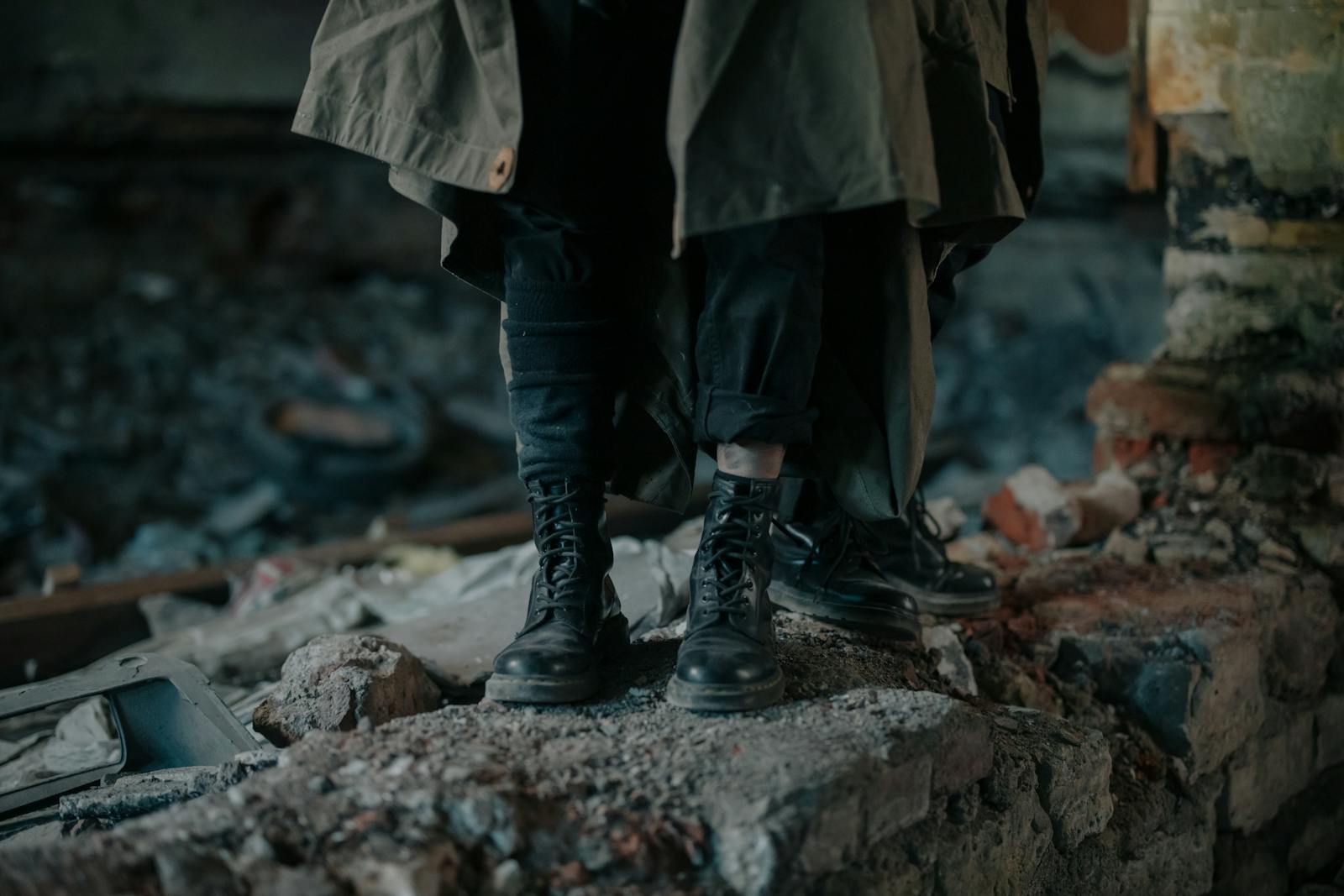
In the unpredictable world we live in today, being prepared for emergencies is more essential than ever. Among the assortment of survival gear and emergency kits, one item stands out for its practicality and necessity: a sturdy pair of boots. The right boots can be the difference between safety and vulnerability when disaster strikes.
But with so many options available, how does one navigate the myriad choices to ensure their feet are protected under the most challenging conditions? This guide on how to choose the right boots for emergency use is here to simplify that daunting decision. Imagine having to evacuate your home at a moment's notice, trekking through debris and uneven terrain.
The last thing you need is footwear that's uncomfortable, unsupportive, or worse, falling apart at the seams. Choosing the right boots could significantly impact your mobility and safety during emergencies, and making an informed decision is crucial. In this post, we will delve into key considerations like durability, fit, and material to help you make the best choice for your emergency preparedness needs.
Whether you're preparing for natural disasters or unexpected crises, selecting the right boots could offer you both peace of mind and reliable protection.
Understanding the Importance of Boots in Emergency Preparedness
When disaster strikes—whether it’s an earthquake, flood, wildfire, or hurricane—the terrain you face can change in an instant. Broken glass, slippery mud, jagged debris, and shifting rubble become daily obstacles. Your choice of footwear can either hinder or help your efforts to stay mobile and safe.
Sturdy, well-designed boots not only protect against cuts, bruises, and sprains but also provide the necessary support for long treks or sudden evacuations. This section explores why knowing how to choose the right boots for emergency use is critical to any preparedness plan.
Beyond protection, emergency boots play a pivotal role in maintaining morale and reducing fatigue. During crises, mental strain is already high. Ill-fitting or inadequate footwear can exacerbate physical discomfort, leading to slower reaction times and diminished decision-making abilities.
By investing in quality boots tailored to emergency scenarios, you’re equipping yourself to focus on the tasks at hand instead of nursing sore feet. In essence, boots form the foundation—literally and figuratively—of your overall readiness strategy.
Factors to Consider When Choosing Emergency Boots
Selecting the ideal emergency boot involves more than picking the fanciest or most expensive pair on the shelf. You need to weigh multiple factors—ranging from fit and comfort to durability and water resistance—to ensure your boots perform when it matters most. This section breaks down the essential criteria to help you navigate the market and zero in on the perfect match for your needs.
By understanding these key considerations upfront, you’ll avoid costly mistakes like ending up with poorly designed boots that break down under stress or cause painful blisters. Take time to research each factor, read user reviews, and if possible, try on different models under conditions similar to those you anticipate facing in an emergency scenario.
Durability
In an emergency, your boots must withstand extreme conditions—abrasive rubble, shifting terrain, and constant wear. Durability is non-negotiable because a failure in the field can put you at serious risk. Look for boots constructed with high-quality materials such as full-grain leather or reinforced synthetic fabrics.
These materials resist tearing, scuffing, and wear over prolonged use. Pay attention to key design elements that contribute to toughness. Double or triple stitching at stress points, protective toe caps (steel or composite), and robust rubber outsoles all enhance resilience.
Reinforced panels around the heel and toe can also absorb impacts, preventing premature breakdown when you walk over rocks or debris. Investing in a well-built pair of boots might cost more upfront, but when lives—and limbs—are on the line, durability is worth every penny.
Another factor to consider is the quality of the hardware. Eyelets and speed hooks made from corrosion-resistant metals will hold up better in wet or salty environments. Likewise, quality laces with sturdy aglets help maintain fit and performance over time.
Don’t overlook the inner lining: moisture-wicking or breathable membranes can extend the life of your boots by reducing internal moisture and preventing material rot. Ultimately, durable boots deliver reliable protection and peace of mind when you need it most.
Fit
A well-fitting boot is essential for maintaining foot health and preventing injuries during strenuous activity. Even the most rugged boot will fail you if it doesn’t fit properly. To determine the right size, measure your foot length and width at the end of the day—when your feet are at their largest. Consult each manufacturer’s sizing chart, as sizes can vary significantly between brands.
Consider trying on boots with the socks you plan to wear in an emergency, such as thick wool or synthetic blends. Walk around, squat, and simulate uphill and downhill steps to evaluate how the boot supports your arches and ankles. Pay attention to any areas of pinching, rubbing, or slipping—these can lead to painful blisters and long-term foot issues.
Cushioning and support features are equally important. Look for boots with removable insoles, allowing you to add custom orthotics if needed. A snug heel fit prevents blisters and ankle twists, while ample toe room safeguards against blackened toenails during extended marches.
A boot that strikes the right balance between snugness and roominess will keep you comfortable, focused, and injury-free during critical situations.
Selecting the Ideal Fabric for Emergency Boots
The material composition of your emergency boots directly affects weight, breathability, water resistance, and durability. Common options include full-grain leather, nubuck, split-grain leather, and various synthetic fabrics like nylon and polyester blends. Understanding their pros and cons will help you make an informed decision based on your specific emergency scenarios.
Full-grain leather is prized for its toughness and abrasion resistance, making it a top choice for rugged environments. However, it can be heavier and slower to break in. Nubuck offers a softer feel with comparable durability but may require more maintenance.
Synthetic fabrics, on the other hand, are lighter and quicker to dry, though they may not offer the same longevity under extreme wear. Hybrid boots that combine leather uppers with synthetic panels can deliver an optimal balance of durability, weight, and breathability.
Another consideration is the boot’s internal lining. Waterproof membranes like Gore-Tex or eVent provide excellent protection against moisture while allowing sweat to escape. Breathable mesh linings enhance airflow in hot conditions but may sacrifice some water resistance.
Ultimately, the ideal fabric choice hinges on the types of emergencies you anticipate and the climates you’ll face. Select materials that align with your primary threat scenarios to maximize performance.
Traction and Stability
In emergency situations, uneven, slippery, or loose surfaces are the norm. Boots with superior traction and stability can mean the difference between a safe passage and a dangerous fall. The outsole design plays a pivotal role: deep, multidirectional lugs grip mud, snow, and rock to prevent slips.
Rubber compounds also influence traction. Softer rubber outsoles offer better grip on wet surfaces but may wear down faster, while stiffer compounds excel on abrasive terrain but might underperform in slick conditions. Consider your primary environment when evaluating outsole formulations.
Stability extends beyond the sole design. A supportive midsole—often made from EVA (ethylene vinyl acetate) or PU (polyurethane)—absorbs shock and provides arch support. High-cut boot collars with firm ankle support reduce the risk of sprains on uneven ground.
Additionally, some models incorporate shanks (rigid inserts) between the outsole and midsole to distribute weight evenly and enhance torsional control. Prioritize models that combine aggressive tread patterns with robust support systems for maximum safety in unpredictable landscapes.
Waterproofing
Moisture is one of the quickest pathways to discomfort, blisters, and frostbite in cold conditions. Effective waterproofing is therefore crucial in emergency boots, especially if you anticipate encountering rain, snow, or flooded environments. Boots treated with durable water-repellent (DWR) coatings shed light moisture, while waterproof membranes like Gore-Tex provide a fully sealed barrier against water intrusion.
When selecting waterproof boots, check for sealed seams and gusseted tongues—features that prevent water from seeping through stitch lines or between the tongue and upper. Some manufacturers also use waterproof adhesives to reinforce these vulnerable spots. Keep in mind that waterproof boots can sacrifice breathability, so look for designs that strike a balance between keeping external water out and allowing internal moisture to escape.
Maintaining waterproof performance requires periodic reapplication of DWR treatments and regular cleaning to prevent dirt from clogging pores. Follow the manufacturer’s care instructions to extend the lifespan of your boots’ waterproofing. In critical situations, nothing undermines credibility and capability like soggy, cold feet.
Prioritize boots that incorporate proven waterproof technologies to stay dry and focused when every step counts.
Weight and Mobility
Heavier boots typically offer greater protection and durability but can also accelerate fatigue during long treks or rapid evacuations. Conversely, lightweight boots enhance mobility and reduce energy expenditure but may compromise on cushioning, support, or abrasion resistance.
Striking the right balance between weight and protection is key when determining how to choose the right boots for emergency use. Evaluate the boot’s overall weight in relation to the protection features it provides. For instance, a boot with a composite toe cap may weigh slightly more than a soft-toe variant but offers critical impact resistance in debris-filled environments.
Similarly, a boot with extensive ankle padding and thick midsoles will be heavier but provide enhanced support on rough terrain. Consider the duration and intensity of your expected activities. If you foresee covering long distances quickly, prioritize lighter models with streamlined designs and minimal hardware.
For situations where you’ll be stationary or moving over extremely hazardous terrain, opt for boots that place protection above weight savings. By matching boot weight to your operational demands, you’ll maintain agility without sacrificing the safety and stability you need during emergencies.
Brands and Models Recommended for Emergency Use
Choosing a reputable brand can simplify your search for quality emergency boots. Renowned manufacturers invest heavily in research, testing, and materials to deliver performance-driven footwear. Some top contenders include:
1. Danner: Known for its rugged construction and classic styling, Danner offers full-grain leather models with Gore-Tex linings and Vibram outsoles. Their boots excel in durability and long-term support.
2. Salomon: Salomon’s hybrid hiking boots blend lightweight synthetic panels with protective overlays. Many models feature Contagrip outsoles for superior traction and advanced waterproof membranes for all-weather reliability.
3. 5.11 Tactical: Designed for law enforcement and military use, 5.11 Tactical boots emphasize durability, ankle support, and speed-lace systems for quick adjustments under pressure.
4. Merrell: Offering a spectrum of options from lightweight trail runners to mid-weight backpacking boots, Merrell combines comfort-oriented footbeds with aggressive outsoles suited for varied terrain.
5. Lowa: Lowa’s boots are famous for their craftsmanship and ergonomic design. Their Renegade series, in particular, balances support, waterproofing, and weight for all-around performance.
When narrowing down your choice, read user feedback and professional reviews to gauge real-world performance. Consider visiting specialty outdoor retailers where you can test-fit multiple models. Remember, the best brand is one that meets your specific emergency preparedness requirements while offering reliable warranty support and customer service.
Ensuring Your Safety and Preparedness with the Right Boots
Selecting the right pair of emergency boots requires careful consideration of factors like durability, fit, material, traction, waterproofing, and weight. By understanding these criteria and matching them to your anticipated scenarios, you’ll be better equipped to face challenging terrain and unpredictable conditions.
Investing time in research, trying on multiple models, and choosing reputable brands will pay dividends when every step counts. With the right boots in your emergency kit, you’ll achieve both confidence and capability, ensuring you’re ready to navigate whatever crisis comes your way.


0 Comments