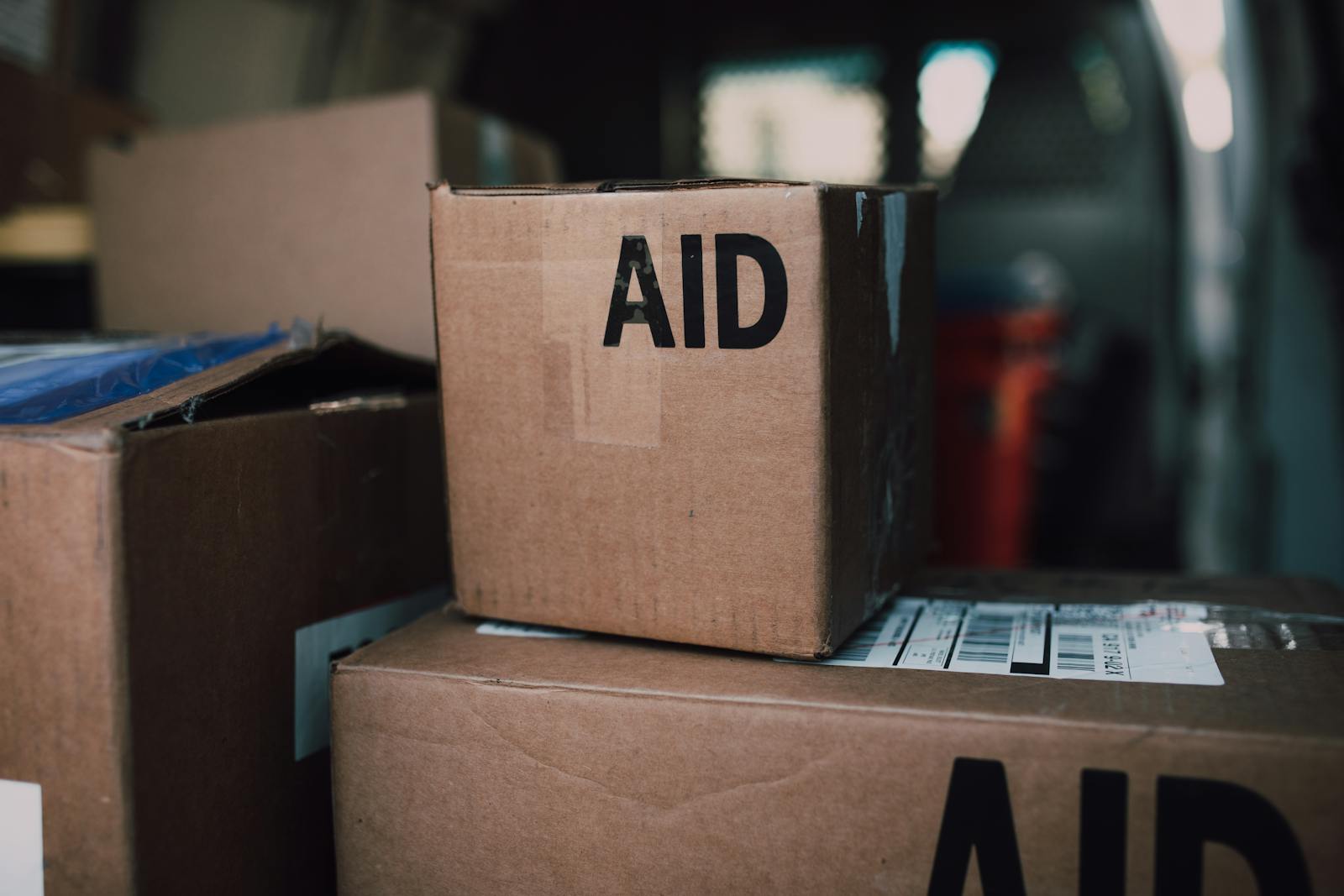
In the blink of an eye, life can shift from serene normality to chaos. Whether it's a natural disaster, an unexpected power outage, or an unforeseen crisis, being unprepared can escalate anxiety and hinder quick response.
That's why establishing a family emergency command center isn't just a prudent decision—it's a vital one. Imagine finding yourself in a situation where every second counts, and instead of scurrying around in panic, you're able to calmly access crucial supplies, communicate efficiently, and make informed decisions that ensure your family's safety.
This is the power of preparation and the peace of mind that comes with it. While we all hope to never face dire emergencies, embracing the mindset that “it's better to be prepared than sorry” could make all the difference when it matters most.
In this guide on how to build a family emergency command center, we'll walk you through essential steps and tips that transform your home into a well-oiled command post equipped to handle emergencies with poise.
From selecting the right location and stocking up on necessities to organizing important documents and creating effective communication plans, we'll cover every detail to help you empower your household with foresight and readiness.
Let's turn the unpredictable into manageable, ensuring that when emergencies strike, you're ready to not just survive but thrive.
Choosing the Ideal Location for Your Family Emergency Command Center
Selecting the perfect spot for your family emergency command center lays the foundation for every other step in your preparedness plan. You want an area that is easily accessible from all primary living spaces—ideally a ground-floor room or a centrally located closet.
The space should be large enough to store supplies without becoming overcrowded, yet discreet enough to remain out of the way during everyday activities. Consider proximity to exterior walls or windows, because in some crises you may need quick outside access or natural light if the power goes out.
When thinking about how to build a family emergency command center, also assess environmental factors like moisture, temperature swings, or structural vulnerabilities. Basements can be great for storm preparedness but may flood if you live in a high-water area.
Spare bedrooms, laundry rooms, or under-stair closets often strike a balance between convenience and protection. Finally, ensure the chosen location won’t impede normal traffic flow—your goal is a streamlined, efficient hub that becomes second nature to your family in times of stress.
Stocking Up on Essential Supplies and Resources
No emergency command center is complete without a comprehensive supply of essentials. Water, non-perishable food, first-aid materials, and flashlight batteries form the core of any preparedness plan. Aim to store at least a three-day supply of water (one gallon per person per day) and enough calories to sustain everyone in your household.
Rotate items regularly to maintain freshness, and keep a checklist pinned or laminated inside the command center for quick inventory checks. Beyond the basics, equip your center with specialty items like prescription medications, pet care supplies, and tools such as multi-purpose knives or hand-crank radios.
Consider including personal comfort items—blankets, extra clothing, hygiene products—to help reduce stress during extended emergencies. Building a family emergency command center involves not just stocking up on resources but tailoring them to your family’s unique needs and vulnerabilities.
Organizing Important Documents and Information
Proper documentation ensures that critical information is at your fingertips when time is of the essence. Store hard copies of identification (passports, driver’s licenses), insurance policies, medical records, and property deeds in a waterproof, fire-resistant safe or filing box.
Use clear, labeled folders so everyone in the household can quickly locate what they need. For extra redundancy, keep a digital backup—encrypted USB drives or secure cloud storage—of scanned documents.
Structure these files by category and date, and incorporate an index or a simple table of contents. This organizational approach streamlines retrieval and reduces confusion under stressful conditions.
By addressing how to build a family emergency command center with thorough documentation, you empower each family member to act decisively and confidently if crisis strikes.
Establishing Communication Protocols and Plans
Effective communication can mean the difference between coordinated safety and chaotic missteps. Start by mapping out primary and secondary communication channels—cellular networks, landlines, walkie-talkies, or satellite phones—so that if one fails, you have backups.
Post a clear flowchart of who contacts whom, in what order, and via which method. Include local emergency services, extended family, and designated out-of-area contacts.
In your family emergency command center, role-play potential scenarios to test these protocols. Make sure every member understands radio frequencies or contact numbers and knows when to send a simple status update (“safe,” “need help,” etc.).
Regularly review and revise these plans as devices, services, or family circumstances evolve. This attention to detail ensures your communication network remains robust and reliable.
Setting Up Emergency Contact Information
Gathering and maintaining up-to-date contact data is a cornerstone of any emergency blueprint. List phone numbers, email addresses, and social media handles for immediate family, neighbors, healthcare providers, schools, and utility companies.
Organize contacts in categories—family, medical, local authorities, and services—so you can instantly find the right number when it matters most. Keep both printed and digital copies within your command center.
Beyond listing numbers, assign responsibilities: who will call grandparents, who will alert the school, and who will coordinate with emergency responders. Embed contact sheets in a waterproof binder alongside pens, a phone charging bank, and a laminated quick-reference map.
This systematic approach allows your family to rapidly connect with essential contacts without delay.
Creating an Evacuation Plan
An evacuation plan transforms uncertainty into a series of clear, actionable steps. Begin by identifying primary and alternate exit routes from your home, then extend the plan to neighborhood egress paths. Mark these routes on a wall-mounted map or a whiteboard in your command center.
Establish a designated meeting point outside and another outside your neighborhood in case immediate evacuation isn’t feasible. Discuss transportation methods—walking, driving, or public transit—and account for people with mobility challenges or pets.
Pre-pack “go bags” containing toiletries, snacks, and essential documents, and store them near the exit. Rehearse loading procedures and timing until each family member can complete the sequence quickly and calmly.
This methodical attention to evacuation preparation ensures everyone knows exactly what to do if the call to evacuate comes.
Implementing Regular Drills and Practice Sessions
Practice makes preparedness second nature. Schedule quarterly drills that cover different scenarios: fire, flood, power outage, or medical emergency. Time each exercise, record observations, and hold a debriefing afterward to highlight strengths and areas for improvement.
Incorporate both daytime and nighttime drills to simulate various conditions. Rotate leadership roles so everyone learns to direct the family and access the command center independently.
Include children in age-appropriate tasks—packing their own emergency kits or reading contact lists aloud—to build confidence. Consistent drills reinforce muscle memory and reduce anxiety when real emergencies occur.
Maintaining and Updating Your Emergency Command Center
An emergency command center is a living system that requires ongoing care. Dedicate a monthly calendar reminder to inspect supplies, check expiration dates, and replenish items as needed.
Verify that flashlights, radios, and power banks hold a full charge; test smoke detectors and replace batteries. Review your supply inventory list and document any adjustments in family size, dietary needs, or medical requirements.
Update contact information, communication protocols, and evacuation routes whenever changes occur—new phone numbers, relocated relatives, or neighborhood road closures. Engage the whole family in maintenance tasks so everyone remains familiar with the center’s layout and contents.
This continuous upkeep ensures that when an emergency arises, your command center is ready to perform flawlessly.
Engaging the Whole Family in Preparedness Efforts
Building a family culture of readiness starts with enthusiasm and education. Host monthly preparedness nights where you teach children basic first-aid, how to read weather alerts, or how to operate emergency equipment.
Encourage questions and hands-on involvement, such as packing emergency kits or drafting evacuation route maps. Celebrate small victories—like mastering CPR—with rewards to keep motivation high.
Assign clear, age-appropriate responsibilities so each family member feels ownership over the command center. For example, children can track supply rotation dates or update a weather station log, while teens can manage contact lists and tech equipment. \
By fostering teamwork and shared accountability, you ensure that emergency readiness becomes an ingrained habit, not a chore.
Being Prepared for the Unforeseen
Establishing a family emergency command center transforms uncertainty into confidence and ensures that when crisis strikes, you have a clear, organized plan of action.
By carefully choosing your location, stocking supplies, organizing documents, and practicing communication and evacuation protocols, you equip your household to respond effectively under pressure.
Maintaining, updating, and engaging every family member in this process deepens preparedness and builds resilience. Ultimately, how to build a family emergency command center isn’t just about gathering resources—it’s about creating a mindset of readiness that safeguards your loved ones and empowers you to face the unforeseen with courage and composure.




0 Comments