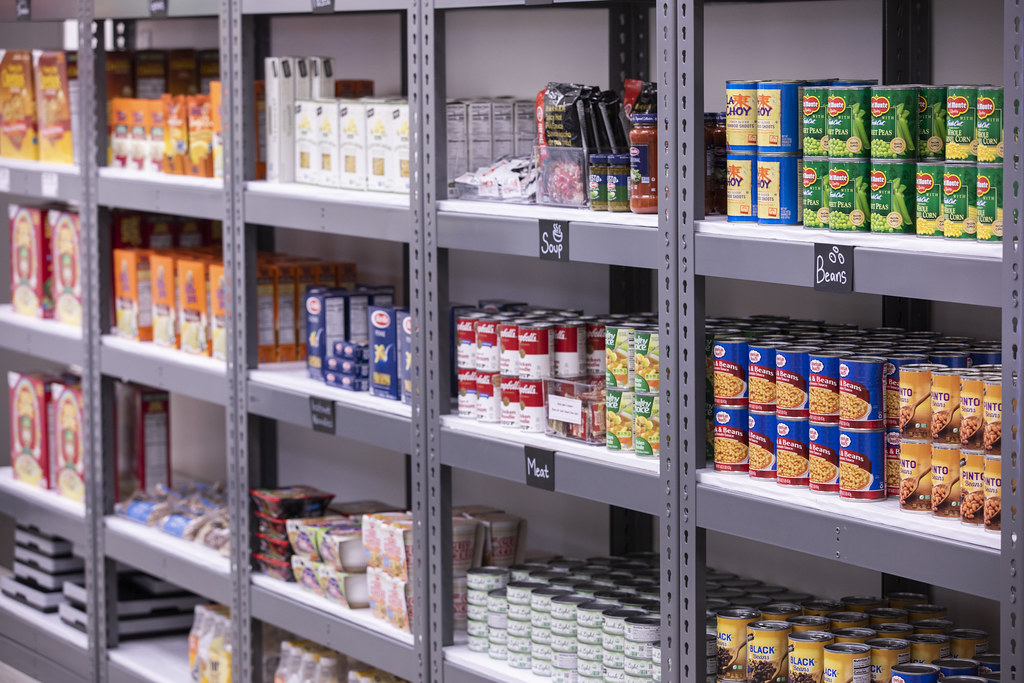
Stock Up Smart – 5 Foods That Last for Years
Most grocery stores only have about three days’ worth of food on their shelves. This means that when disaster strikes—whether it’s a natural disaster, economic crisis, or supply chain disruption—food supplies can disappear in a matter of hours.
The good news? You don’t need to break the bank or fill an entire bunker to be prepared. By choosing the right long-lasting foods, you can build a reliable food stockpile that keeps your family fed for months (or even years) without waste.
Let’s start with five essential foods that are affordable, easy to store, and have an impressive shelf life
Why Every Prepper Should Store Dried Beans in Their Survival Food Reserve
Dried beans should be at the top of every prepper’s list when building a survival food storage plan. Packed with protein, fiber, essential nutrients, and an impressive shelf life, dried beans offer unmatched nutritional value and sustainability for long-term storage. Whether facing economic instability, natural disasters, or long-term grid failure, dried beans provide reliable, cost-effective nourishment when you need it most.
1. Long Shelf Life for Emergency Preparedness
One of the biggest reasons preppers choose dried beans is their exceptional shelf life. When stored properly in a cool, dry place with mylar bags and oxygen absorbers, dried beans can last 25+ years without spoiling. Unlike canned foods, which can degrade over time, properly stored dried beans retain their nutritional integrity for decades.
2. Nutritional Powerhouse: Protein and Fiber
Dried beans are a complete survival food, offering a dense concentration of protein and fiber. Just one cup of cooked beans provides:
15 grams of protein for muscle maintenance and energy.
15 grams of fiber for digestion and sustained energy release.
Essential vitamins and minerals like iron, magnesium, and potassium.
Beans help ensure balanced nutrition during survival scenarios where access to fresh meats and vegetables may be limited.
3. Cost-effective and Space-Efficient Storage
For preppers on a budget, dried beans offer one of the cheapest calorie-to-cost ratios available. A 50-pound bag of beans can feed a family for weeks at a fraction of the price of freeze-dried foods. Additionally, because dried beans are lightweight and compact, they occupy minimal storage space while providing high-caloric density.
4. Versatile and Easy to Prepare
Another benefit of storing dried beans is their culinary versatility. They can be used in soups, stews, casseroles, and even ground into flour. In a survival situation, preppers can cook beans using basic methods, including:
Soaking and boiling over a fire or stove.
Pressure cooking for faster preparation with less fuel usage.
Sprouting beans for increased nutrition without cooking.
Having a portion of food that can be prepared in multiple ways makes it a reliable survival staple.
5. A Renewable Food Source
Unlike many other non-perishable foods, beans can also serve as a renewable source. Preppers can grow their food by planting dried beans, ensuring sustainable nourishment during extended crises. This makes beans a valuable stockpile item and an investment in long-term food security.
Dried beans are a superior survival food that every prepper should include in their stockpile. With an extended shelf life, incredible nutritional benefits, affordability, versatility, and the potential for self-sufficiency, beans are a practical, long-term survival food.
Start stocking up on dried beans today and ensure your food storage is ready for any crisis.
Why Every Prepper Should Store Rice in Their Survival Food Reserve
When it comes to long-term food storage, rice is one of the most essential survival foods. It is cheap, easy to store, incredibly versatile, and has an impressive shelf life when stored properly. Whether facing natural disasters, economic downturns, or prolonged emergencies, rice provides a reliable and calorie-dense food source that can sustain individuals and families for months or even years.
1. Long Shelf Life for Extended Emergencies
One of rice’s most significant advantages is its extraordinarily long shelf life. White rice, when stored in a cool, dry environment with mylar bags and oxygen absorbers, can last 30+ years without spoiling. Unlike brown rice, which contains oils that can go rancid within a year, adequately stored white rice remains edible and nutritious for decades, making it a top choice for long-term prepping.
2. High Caloric and Energy Density
In a survival situation, maintaining calorie intake is critical. Rice is an excellent carbohydrate source, providing the body with essential energy. Just one cup of cooked rice contains:
200+ calories for energy and endurance.
45 grams of carbohydrates to fuel physical activity.
Essential minerals such as magnesium and phosphorus are important for overall health.
Rice is a sustaining staple that ensures preppers have access to sufficient daily caloric intake when food supplies are limited.
3. Affordable and Easy to Store
For budget-conscious preppers, rice offers one of the best cost-to-calorie ratios available. Bulk rice purchases are extremely inexpensive, allowing preppers to build a large food reserve on a small budget. Additionally, because rice is lightweight and compact, it takes up minimal storage space while offering maximum sustenance.
4. Simple to Cook and Pair with Other Survival Foods
Another reason rice is ideal for preppers is its versatility and ease of preparation. It requires minimal ingredients to cook and pairs well with various other survival foods, including beans, canned meats, and dehydrated vegetables. Cooking methods include:
Boiling over a fire or stove using minimal water.
Solar cooking with a solar oven for off-grid preparation.
Steaming or pressure cooking to preserve fuel resources.
Because it absorbs flavors well, rice can be combined with different seasonings and protein sources to prevent food fatigue in a survival scenario.
5. Can Be Used for Bartering and Trade
In a prolonged crisis, bartering may become a necessary skill for survival. Rice is a universally valued staple that can be traded for essential supplies, such as fuel, medicine, or hygiene products. Stocking up on extra rice ensures preppers have a valuable bargaining tool should traditional currency lose value in a crisis.
Rice is an indispensable part of any prepper’s food storage plan. With its incredible shelf life, affordability, high caloric value, versatility, and bartering potential, it is one of the best investments for long-term survival preparedness.
Start stocking up on rice today and ensure your emergency food supply is ready for any disaster.
Why Every Prepper Should Store Canned Meat & Vegetables in Their Survival Food Reserve
When preparing for an emergency, having nutrient-dense, ready-to-eat foods is crucial. Canned meats and vegetables are among the best survival food options because they are affordable, have an impressive shelf life, and require no refrigeration. Whether facing natural disasters, economic downturns, or long-term power outages, canned foods provide a reliable source of protein, vitamins, and essential nutrients to keep you sustained.
1. Long Shelf Life for Emergency Preparedness
Canned foods are specifically designed for long-term storage. When kept in a cool, dark place, canned meat and vegetables can last 5+ years beyond their printed expiration dates. Properly stored canned goods remain safe to eat and retain much of their nutritional value, making them a dependable choice for any survival pantry.
2. Ready-to-eat with No Cooking Required
In a survival scenario, access to cooking facilities may be limited. Canned meat and vegetables require no cooking or refrigeration, making them a convenient food source during power outages or emergencies. They can be eaten straight from the can or quickly heated for a hot meal.
Best Canned Foods for Survival:
Canned Chicken or Turkey – Lean protein for energy and muscle maintenance.
Canned Tuna or Salmon – Rich in Omega-3 fatty acids and essential nutrients.
Spam or Canned Ham – High-calorie, protein-packed meats that require no preparation.
Canned Vegetables (Corn, Green Beans, Carrots, Peas) – Provide essential vitamins and fiber.
3. High Nutritional Value
Canned foods offer critical nutrients that are essential for survival. During a crisis, your body needs a balanced diet to maintain energy, strength, and immunity. Canned meats and vegetables provide:
Protein for muscle health and sustained energy.
Fiber for digestion and gut health.
Essential vitamins and minerals, such as Vitamin A, Vitamin C, Iron, and Potassium.
Unlike some dried or freeze-dried foods, canned options retain moisture and texture, making them more palatable and easier to consume during stressful situations.
4. Affordable and Easy to Stockpile
One of the best reasons to store canned meat and vegetables is their cost-effectiveness. They are much more affordable than freeze-dried or dehydrated foods while still offering long shelf life and high nutritional value.
Cost-Saving Tips for Stockpiling:
Buy in bulk during sales to maximize savings.
Rotate stock regularly to ensure freshness.
Store in a cool, dry area to prevent spoilage.
5. Versatile for Meal Preparation
Canned foods can be used in a variety of meals, making them ideal for long-term survival situations. They can be combined with staples like rice, pasta, beans, and seasonings to create nutritious, flavorful meals.
Canned meat and vegetables are must-have survival foods. They provide a long shelf life, high nutritional value, ease of storage, and convenience. They are affordable, require no refrigeration, and ensure that you have nutrient-dense meals ready for any emergency.
Start stocking up on canned foods today to strengthen your survival food supply and prepare for the unexpected!
Why Every Prepper Should Store Pasta in Their Survival Food Reserve
When planning a survival food reserve, pasta is one of the best foods to stockpile. It is inexpensive, has a long shelf life, is easy to store, and provides essential carbohydrates for sustained energy. Whether facing a short-term power outage or a long-term crisis, pasta is a filling, adaptable, and budget-friendly survival food.
1. Long Shelf Life for Long-Term Storage
Pasta is a dry, non-perishable food with an impressive shelf life of up to 25 years when stored properly. Unlike fresh foods that spoil quickly, pasta can be safely stored in the right conditions for decades.
How to Store Pasta for Maximum Shelf Life:
Keep in mylar bags with oxygen absorbers to prevent moisture and pests.
Store in a cool, dry place away from sunlight.
Rotate stock using the first in, first out (FIFO) method to ensure freshness.
2. High-Caloric and Energy-Dense
Maintaining energy levels is crucial during an emergency. Pasta is an excellent source of complex carbohydrates, which provide slow-burning energy for extended survival situations.
Nutritional Benefits of Pasta:
200+ calories per cup – A dense calorie source for sustaining physical activity.
45+ grams of carbohydrates – Helps maintain energy levels.
Iron and B vitamins – Essential nutrients for immune function and overall health.
3. Cost-effective and Easy to Stockpile
For preppers on a budget, pasta is one of the most affordable survival foods available. A large stockpile can be built for just a few dollars per pound, making it a great option for long-term preparedness without high costs.
Why Pasta is a Smart Investment:
Low cost per calorie compared to freeze-dried or canned foods.
Lightweight and compact for easy storage in bulk.
Minimal preparation is needed, making it a simple survival staple.
4. Easy to Prepare with Minimal Resources
Pasta is one of the easiest foods to cook, requiring boiling water and heat. In a survival situation, where fuel and cooking equipment may be limited, pasta remains a practical choice.
Alternative Cooking Methods in Emergencies:
Solar cookers – Use sunlight to heat water for pasta preparation.
Portable camping stoves – A quick and fuel-efficient way to cook pasta.
Thermos cooking – Soak pasta in hot water inside a thermos for fuel-saving preparation.
5. Versatile for Meal Preparation
Pasta pairs well with various shelf-stable ingredients, allowing preppers to create balanced meals even in crisis situations. It can be combined with:
Canned meats and vegetables for protein and nutrients.
Powdered cheese or sauces for added flavor.
Beans or lentils for an extra protein boost.
Pasta is an ideal survival food with a long shelf life, affordability, easy storage, high energy content, and versatility. Whether you’re preparing for short-term power outages or long-term disasters, pasta ensures a dependable, cost-effective food source for any crisis.
Start stockpiling pasta today and secure your emergency food supply for the future!
Why Every Prepper Should Store Powdered Milk in Their Survival Food Reserve
Powdered milk is an essential food storage item when preparing for food shortages, power outages, or long-term survival scenarios. It provides critical nutrients, has an extremely long shelf life, and is a versatile substitute for fresh dairy. Powdered milk is a must-have for any prepper’s pantry, whether used for drinking, cooking, or baking.
1. Long Shelf Life for Emergency Preparedness
One of the most significant advantages of powdered milk is its extended shelf life. Unlike fresh milk, which spoils within days, powdered milk can last 20+ years when stored properly.
Storage Tips for Maximum Shelf Life:
Keep in airtight containers with oxygen absorbers to prevent moisture contamination.
Store in a cool, dark place away from direct sunlight.
Rotate stock regularly using the first in, first out (FIFO) method to ensure freshness.
2. Essential Nutrients for Survival
Milk is a primary source of calcium, protein, and essential vitamins, making it an invaluable survival food. Proper nutrition is crucial for bone health, muscle maintenance, and immune function during emergencies.
Nutritional Benefits of Powdered Milk:
Calcium & Vitamin D – Supports strong bones and overall health.
8 grams of protein per cup – Provides necessary muscle-building nutrients.
Vitamin A & B12 – Boosts immune function and energy production.
3. Cost-effective and Space-Saving Storage
For budget-conscious preppers, powdered milk is a cost-effective way to store dairy products long-term. Unlike fresh or refrigerated milk, it requires no refrigeration, reducing dependency on electricity during power outages.
Why Powdered Milk is a Smart Investment:
Lower cost per serving compared to fresh milk.
Lightweight and compact, making it easy to store in bulk.
No refrigeration is required, making it perfect for off-grid living.
4. Versatile Uses in Survival Cooking
Powdered milk can be used in various survival recipes, making it an essential ingredient in long-term food storage. It can be:
Reconstituted into liquid milk for drinking or cooking.
Added to soups, stews, and sauces for a nutritional boost.
Used in baking for making bread, pancakes, or biscuits.
Blended with protein powder for a high-calorie survival shake.
5. Ideal for Bartering and Trade
In a long-term crisis, bartering may become a necessity. Powdered milk is a high-demand survival commodity that can be traded for food, fuel, medical supplies, or other essentials.
Powdered milk is one of the most valuable additions to any prepper’s food storage plan. Its long shelf life, high nutritional value, affordability, and versatility ensure a dependable dairy supply in any emergency.
Start stocking up on powdered milk today and secure your long-term survival food reserves!
Start Small and Build Up
Starting a food stockpile doesn’t have to be overwhelming or expensive. You can create a reliable emergency food supply without wasting money by focusing on long-lasting, inexpensive staples like rice, beans, canned meat, pasta, and powdered milk.
The key is to start small. Buy an extra bag of rice or an extra can of vegetables each time you shop. Over time, your food storage will grow into a sustainable supply that ensures you’re prepared for any emergency.
Are You Ready to Build Your Emergency Food Stockpile?
Take action today by picking up a few of these long-lasting essentials and start your journey toward food security!
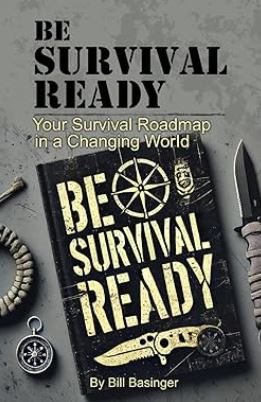
Do You Have A Copy Of My New Book?



0 Comments