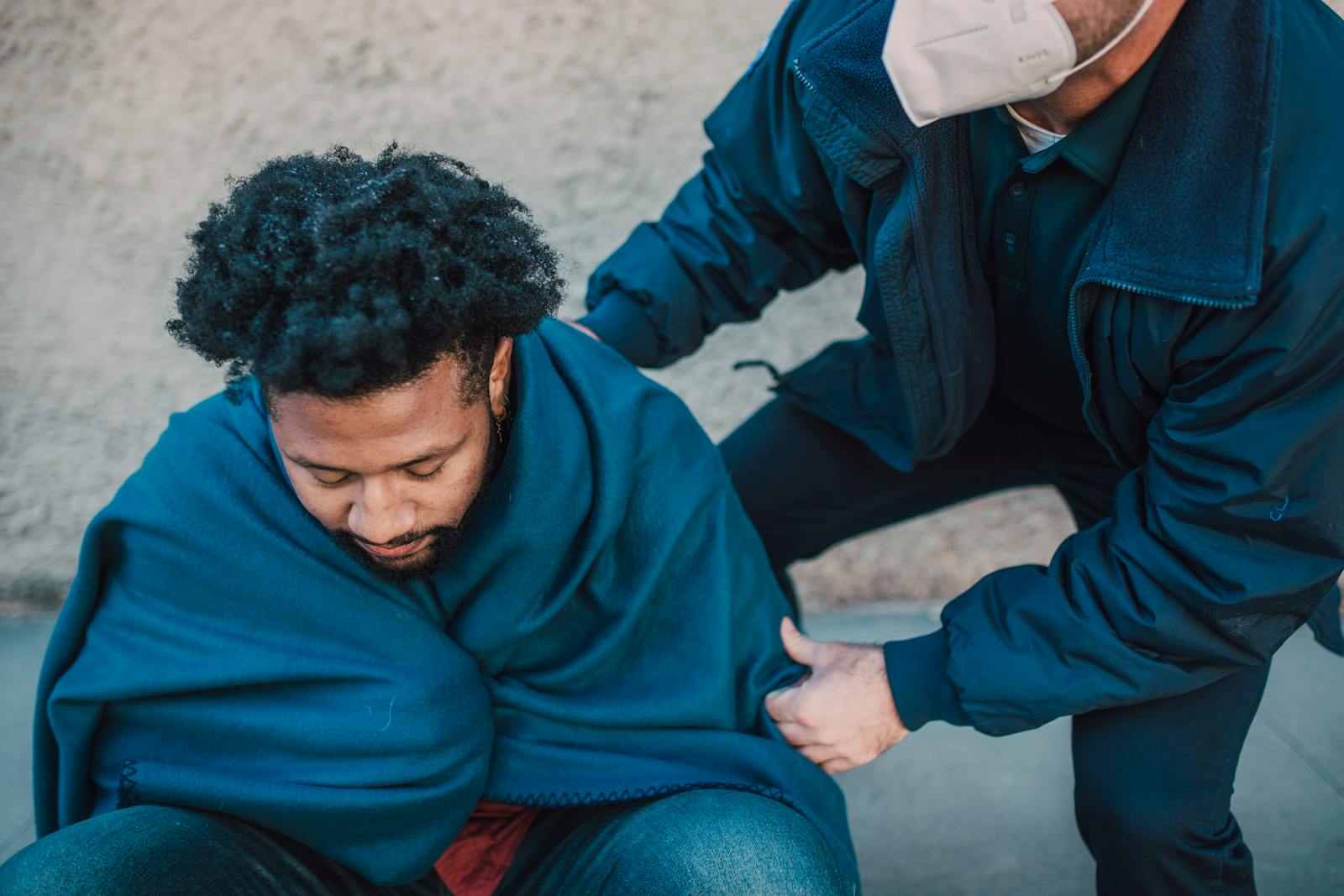
In the heart of nature's unpredictable embrace, where the line between adventure and survival can blur in an instant, the choice of emergency equipment becomes not just important, but crucial. Whether you're an avid hiker, a cautious camper, or simply someone preparing for the unexpected, understanding the nuances of emergency blankets is vital.
Among Mylar, wool, and thermal varieties, which serves as your most reliable ally when temperatures plummet and conditions become harsh? Imagine being stranded in a chilly wilderness, night falling faster than anticipated. Your breath becomes visible in the biting cold, and every rustle in the darkness feels closer.
It's in these moments that the choice of an emergency blanket can make a world of difference. This blog post delves into the strengths and limitations of each type—Mylar, wool, and thermal—providing insights into which might best safeguard you when Mother Nature reveals her fierce side. Stay prepared, stay informed, and let's explore which blanket offers the warmth and reliability you might one day depend on.
Lightweight and Reflective Protection
When weighing Emergency Blankets: Mylar, Wool, or Thermal—What’s Best? the first contender often examined is the Mylar emergency blanket. Constructed from a thin sheet of metallized polyethylene terephthalate, Mylar blankets reflect up to 90 percent of body heat back toward the user, making them highly effective at conserving warmth in frigid environments.
Their dazzling metallic finish isn’t just for show—it literally bounces infrared radiation back to the source, helping to slow heat loss via radiation. In addition, the material’s inherent resistance to wind and moisture adds an extra layer of defense against the elements, crucial when gusts threaten to strip away precious body heat.
The standout benefit of Mylar blankets lies in their astounding weight-to-warmth ratio. Most models weigh between 20 to 40 grams, easily fitting into the smallest pockets of a backpack or survival kit. This portability makes them a favorite among ultralight backpackers and emergency response teams alike.
Moreover, with a water-resistant surface, a Mylar blanket can provide a quick barrier against rain, sleet, or damp ground. However, this very thinness translates to limited durability; a single tear or puncture can compromise its insulating properties.
Despite that drawback, for scenarios demanding minimal bulk and immediate heat reflection—whether you’re stranded after a winter trail accident or waiting for rescue—Mylar blankets offer unbeatable convenience and rapid protection.
Wool Emergency Blankets
Wool emergency blankets draw on centuries of proven performance in cold climates. Made from sheep’s wool or specialized wool blends, these blankets trap air within the crimped fibers, creating a natural insulating barrier.
Unlike synthetic materials, wool retains much of its insulating capability even when damp, thanks to its hygroscopic nature, which allows the fibers to absorb moisture vapor without feeling wet. This attribute proves invaluable in wet or unpredictable conditions, where a drenched Mylar blanket would lose efficacy almost instantly.
Although wool blankets are heavier and bulkier than their Mylar counterparts—often weighing between 1.5 to 3 pounds—they compensate with robustness and longevity. A high-quality wool blanket can endure years of folding, compression, and rough use without significant loss of loft or performance.
They also provide a comforting weight and texture, resembling a warm embrace during long nights. On the downside, storing wool in a wet environment can lead to mildew or odors if not properly dried, and the initial bulk may deter weight-conscious adventurers.
Nevertheless, for serious backcountry use or base-camp survival kits, wool blankets combine time-tested insulation with a measure of comfort that no reflective film can match.
Thermal Emergency Blankets
Thermal emergency blankets, often marketed as “space blankets” or “heat sheets,” fuse reflective Mylar layers with non-woven fabric or foam backing. This hybrid construction enhances durability and warmth retention compared to standard Mylar products.
By sandwiching the reflective layer between two protective sheets, these blankets resist tearing, provide a degree of cushioning, and offer better resistance to wind and abrasion. The result is a versatile blanket that bridges the gap between ultralight Mylar and bulkier wool options.
Versatility is the hallmark of thermal blankets. Many models feature reinforced corners with grommets, allowing them to double as makeshift shelters, tarps, or ground covers. This multi-functionality proves invaluable in extended survival scenarios where shelter, insulation, and water protection are all in demand.
Though heavier than pure Mylar—typically ranging from 100 to 300 grams—thermal blankets still slip comfortably into most backpacks. Their reflective surface mirrors up to 85 percent of body heat, while the thicker backing minimizes heat loss through conduction.
The compromise in weight yields a significant boost in durability and usability, making thermal blankets an ideal choice for those who want more resilience without reverting to full-size wool options.
Factors to Consider When Choosing an Emergency Blanket
Selecting the right emergency blanket involves balancing a range of factors—warmth retention, durability, weight, and moisture resistance. First and foremost is the intended use: are you preparing for a sudden roadside breakdown in winter, or do you need a long-term shelter solution in deep wilderness?
For rapid thermal reflection in short-term emergencies, Mylar’s low weight is unbeatable. For wet, extended outings, wool’s moisture tolerance and sustained insulation make it a safer bet.
Other practical considerations include pack volume, ease of deployment, and multi-functionality. If you require a tool that can also serve as a groundsheet or improvised tent, thermal blankets with reinforced edges and grommets excel.
Storage conditions play a role too: metalized surfaces can degrade over years in damp or corrosive environments, while wool can harbor odors if not dried properly. Finally, budget and environmental impact deserve attention—Mylar blankets are typically cheaper but less eco-friendly, whereas wool, though pricier, is biodegradable and naturally sourced.
Evaluating these variables against your risk profile will guide you toward the most suitable emergency blanket for your specific needs.
Durability Comparison Across Mylar, Wool, and Thermal Blankets
When pitted against each other, the durability of emergency blankets varies widely. Mylar blankets are the most fragile, prone to tears, punctures, and degradation under prolonged UV exposure. That said, their low cost means you can often replace them without breaking the bank. For single-use or one-off emergencies, their limited lifespan is typically acceptable.
In contrast, wool blankets stand out for longevity. Their robust fibers resist snags and maintain loft even under compression or repeated folding. They also remain effective over years of use, provided they’re properly aired out and stored. Thermal blankets occupy the middle ground, combining a tear-resistant exterior with a reflective core.
While heavier than Mylar, they rarely fail catastrophically; a small cut or abrasion might reduce insulation slightly but won’t render the blanket useless. In summary, if durability is your top priority, wool leads the pack, thermal blankets deliver balanced performance, and Mylar shines in throwaway, ultra-light scenarios.
Effectiveness in Extreme Cold Conditions
Extreme cold places immense stress on any insulating material. In subzero temperatures, radiative and convective heat loss can quickly sap body heat, making effective insulation paramount. Mylar’s reflective surface can hold off cold for a time, but without bulk, it offers limited buffer against conductive heat loss when in direct contact with snow or ice.
Wool excels here by trapping thick layers of air within its fibers, providing consistent insulation against both radiative and conductive losses. Even when wet, wool’s insulating properties degrade far less than those of synthetic materials.
Thermal blankets, with their combined reflective layer and insulating backing, deliver a hybrid approach—reflecting radiant heat while offering some physical thickness to slow conduction. In prolonged extreme cold, a wool blanket or a well-constructed thermal blanket will outperform pure Mylar in keeping you warm over hours or days.
Effectiveness in Wet or Damp Environments
Moisture is wool’s ally up to a point: its hydrophilic fibers can absorb up to one-third of their weight in water without feeling damp, continuing to insulate even when saturated. This makes wool blankets indispensable in rainy, snowy, or foggy conditions where other materials fail.
Mylar blankets, however, become nearly worthless if water seeps beneath them; conductive heat loss through the wet material accelerates rapidly. Thermal blankets perform better, as the non-woven backing keeps moisture from reaching the reflective layer directly and the overall structure resists saturation longer.
Still, they’re not as reliable as wool for all-day insulation in persistent wet weather. For damp environments, wool remains the gold standard, while thermal blankets offer a compromise between moisture resistance and lightweight convenience.
Portability and Ease of Carrying for Each Blanket Type
Portability often defines the emergency blanket of choice. Mylar blankets win hands-down—they roll or fold into a piece of paper, weighing mere grams. A single gram saved can mean hours less strain on a long-distance trek. These blankets can be stashed in every pack compartment or glove box without adding noticeable bulk.
Thermal blankets add modest weight, typically under 300 grams, and often come with a compact pouch or Velcro strap for neat storage. They represent a practical middle ground: more rugged than Mylar, yet still light enough that seasoned backpackers won’t balk at carrying one.
Wool blankets, though providing unmatched warmth and durability, demand significant pack space and can weigh over a kilogram. Unless you’re traveling by car or building a base camp, their heft may be prohibitive for lightweight expeditions.
Ultimately, consider the trade‐off between warmth and weight to determine which emergency blanket aligns best with your mobility needs.
Practical Tips for Maximizing the Benefits of Your Emergency Blanket
To get the most out of any emergency blanket, practice deploying it before you truly need it. Quick unfolding, proper anchoring, and positioning can save precious minutes—and degrees of body heat—when you’re in a real survival situation.
For Mylar and thermal blankets, use cordage to secure corners or tuck under rocks to prevent wind from peeling them away. Layering is another key strategy: combine a Mylar or thermal blanket with a wool layer or clothing insulation for superior results.
The reflective surface conserves your radiated heat, while the wool adds bulk to trap air. In wet climates, keep your wool blanket in a waterproof bag to prevent mildew and preserve its loft. Finally, always carry extra cord and a small repair kit for tears in Mylar or thermal blankets; even a simple piece of duct tape can restore critical performance.
By integrating these practical tips into your emergency planning, you’ll ensure that whichever blanket you choose functions at peak efficiency when stakes are highest.
Selecting the Best Emergency Blanket for Your Needs
Choosing between Mylar, wool, and thermal emergency blankets ultimately comes down to your specific requirements: weight constraints, environmental conditions, and intended duration of use.
Mylar shines in ultralight, single-use scenarios, wool delivers unmatched comfort and insulation in cold or wet settings, and thermal blankets offer a balanced solution for durability and heat reflection.
Armed with an understanding of each material’s strengths and weaknesses, you can tailor your gear to match the most likely challenges you’ll face. Proper selection, combined with smart deployment and layering techniques, ensures you stay warm, dry, and safe—no matter how extreme the conditions become.


0 Comments