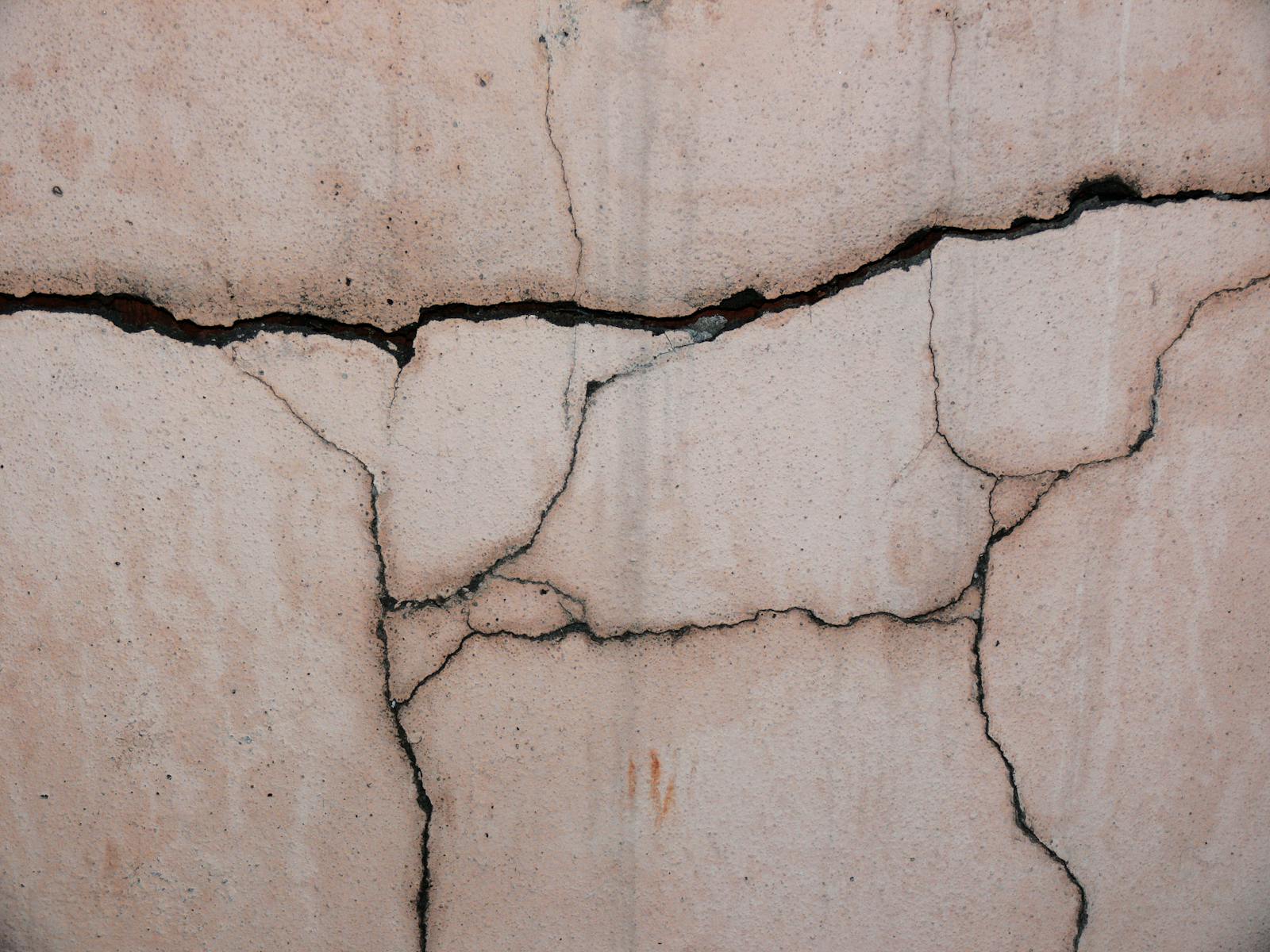
Imagine being jolted awake in the dead of night, your room shaking, items clattering to the floor, and the sudden realization that what you have dreaded and prepared for is happening—a powerful earthquake.
For those residing near fault lines, this is more than a hypothetical scenario; it's a reality that could occur at any moment. Earthquake preparedness for people living near fault lines isn't just advisable; it's essential.
As the tectonic plates beneath us shift and move unpredictably, having a plan in place can mean the difference between chaos and calm. Statistics reveal that millions of people live close to active fault lines, and despite advances in technology and science, predicting the exact moment of an earthquake remains elusive.
Yet, while we cannot prevent nature’s quakes, we can mitigate their impact by preparing effectively. This blog post will guide you through the practical steps necessary to safeguard your home and loved ones against one of Mother Nature's most formidable forces, ensuring that when the earth does tremble, you stand secure.
Understanding the Risks of Living Near Fault Lines
Living near fault lines comes with a heightened exposure to seismic activity. Fault lines are fractures in the Earth’s crust where tectonic plates move, sometimes sliding past each other with tremendous force.
This constant motion can generate earthquakes of varying magnitudes, capable of causing significant damage to infrastructure and posing serious threats to human life. Understanding these risks is the first step in crafting an effective Earthquake Preparedness for People Living Near Fault Lines strategy.
In regions like California’s San Andreas Fault, Japan’s Pacific Ring of Fire, and Turkey’s North Anatolian Fault, historical data shows a pattern of recurring quakes. Awareness of local seismic history—intensity, frequency, and potential aftershocks—enables residents to gauge how often they might experience tremors and how strong those might be.
Additionally, secondary hazards such as landslides, tsunamis, and liquefaction can arise from major quakes, further raising the stakes. Recognizing these dangers and their triggers equips you to better anticipate disruptions, plan accordingly, and stay vigilant, transforming abstract geological movements into actionable safety measures.
Creating an Earthquake Preparedness Plan for Your Family
Developing a comprehensive family preparedness plan is a core component of Earthquake Preparedness for People Living Near Fault Lines. Start by mapping out safe zones within your home—places under sturdy furniture like tables or against interior walls away from windows and heavy objects.
Decide on an emergency meeting point both inside and outside your house. This reduces panic and helps ensure that everyone knows where to gather if separation occurs during shaking.
Next, compile vital information including emergency contacts, medical details, and copies of important documents (IDs, insurance papers, property deeds). Share these details with all family members and store backups in a fireproof, water-resistant container.
Assign each person specific responsibilities—who checks on elderly relatives, who grabs the emergency kit, who turns off utilities if needed. Regularly review and update this plan, practising different scenarios like nighttime jolts or events when some members might be away.
A well-rehearsed plan fosters confidence and calm when seconds count.
Securing Your Home Against Earthquake Damage
Securing your living space is crucial to minimize injury and property loss during a quake. Begin by fastening heavy furniture—bookshelves, cabinets, and entertainment centers—to wall studs using brackets or safety straps.
These simple reinforcements prevent tipping hazards and falling objects that can crush or trap people. Place heavy items on lower shelves, and secure picture frames, mirrors, and light fixtures to avoid shattering glass.
Next, evaluate structural vulnerabilities. Look for unreinforced masonry, cracked foundations, or outdated building materials. In some cases, adding steel frames or cross braces to walls and floors can significantly increase stability.
If you rent, ask landlords about retrofitting practices and temporary measures like non-slip mats under appliances. Also, bolt water heaters and gas appliances to the wall to avoid gas leaks and fires.
These actions not only reduce damage but also support your overall Earthquake Preparedness for People Living Near Fault Lines efforts.
Assembling an Emergency Kit for Earthquake Preparedness
A well-stocked emergency kit is your lifeline when infrastructure systems fail. Aim for supplies that sustain your household for at least 72 hours. Store everything in a sturdy, easy-to-carry container such as a backpack or plastic tub.
Keep one kit at home, another in your car, and consider smaller “grab-and-go” kits for each family member. Key essentials include water (one gallon per person per day), non-perishable food, a manual can opener, and any prescription medications.
Add a battery-powered radio, flashlight with extra batteries, a whistle, dust masks, and sturdy gloves. Personalize kits with items like baby formula, pet food, sanitary supplies, and comfort items for children. Regularly check expiration dates and replace items as needed.
A thoughtfully assembled kit directly complements your broader Earthquake Preparedness for People Living Near Fault Lines strategy, ensuring you remain self-sufficient until help arrives.
Developing Communication Strategies with Family and Neighbors
When phone lines and cell networks become overloaded or fail, having alternative communication methods can make a critical difference. Establish a family messaging plan that includes texting, which often works when calls don’t.
Choose an out-of-area contact—someone living far from your fault-line zone—who can serve as a single point of contact for everyone to check in with. This centralizes communication and reduces confusion.
On a community level, coordinate with neighbors to form a support network. Designate block captains responsible for checking on those most vulnerable—elderly residents, individuals with disabilities, or families with young children.
Share information on each household’s specific needs and resources. If one neighbor has a generator, for example, they might provide power for refrigeration or charging devices for the entire block.
Group drills and communication exercises strengthen bonds and create a resilient local response mesh, weaving together your Earthquake Preparedness for People Living Near Fault Lines plan.
Educating Yourself on Earthquake Safety Measures
Knowledge empowers action, and ongoing education is key to mastering earthquake safety. Enroll in courses offered by local emergency management agencies or organizations like the Red Cross.
Topics often include first aid, light search-and-rescue techniques, and how to turn off utilities safely. These skills reduce reliance on external help during the crucial first hours after a quake.
Beyond formal training, leverage online resources and mobile apps that provide tutorials on “Drop, Cover, and Hold On” maneuvers, fire extinguisher use, and CPR guidelines. Read building codes relevant to seismic zones so you understand how homes and businesses should be constructed or retrofitted.
Regularly reviewing after-action reports from past earthquakes can offer real-world insights into common pitfalls and best practices. A self-educated mindset transforms your Earthquake Preparedness for People Living Near Fault Lines from mere checklist activities into informed, adaptive actions under stress.
Participating in Earthquake Drills and Exercises
Drills simulate real-world scenarios and build muscle memory, reducing panic during actual earthquakes. National ShakeOut events and local emergency exercises provide structured opportunities to practise “Drop, Cover, and Hold On” in schools, workplaces, and communities.
Encourage your family to participate in these wide-scale drills. At home, conduct monthly mini-drills at different times of day—morning, afternoon, and late at night—to prepare for quakes during any routine.
Include scenarios where one or more family members are away, testing communication strategies and alternate meeting points. After each drill, hold a quick debrief to discuss what worked, what didn’t, and how to improve. Document lessons learned and update your family plan accordingly.
This cyclical process ensures your Earthquake Preparedness for People Living Near Fault Lines remains a living, evolving practice.
Seeking Professional Guidance for Structural Assessments
While DIY retrofitting helps, a licensed structural engineer or seismologist can pinpoint hidden weaknesses in your property. Scheduling a professional assessment is a crucial step in Earthquake Preparedness for People Living Near Fault Lines, especially for older buildings or those constructed before modern seismic codes.
During an assessment, experts will examine foundation stability, load-bearing walls, and connections between floors and roofs. They may recommend reinforcements like shear walls, steel anchors, or foundation bolting.
Obtain multiple quotes for retrofit work and verify contractors’ credentials and insurance. Though the upfront cost can be significant, these improvements dramatically reduce your home’s vulnerability—often paying for themselves in lower insurance premiums and by preventing costly damages in a future quake.
Staying Informed About Earthquake Alerts and Updates
Real-time information can buy precious seconds to seek cover or evacuate. Sign up for alert systems such as the U.S. Geological Survey’s (USGS) ShakeAlert or your country’s equivalent seismic early warning service.
Many apps deliver push notifications that provide advance warning of ground shaking before it arrives. Complement these systems by following local emergency management agencies on social media and tuning into dedicated radio frequencies during quakes.
Subscribe to text-message alerts from municipal authorities and install citizen-science apps that share crowd-sourced reports of tremors. By layering multiple alert channels, you enhance the overall reliability of your Earthquake Preparedness for People Living Near Fault Lines, ensuring you receive timely warnings whether you’re home, at work, or on the go.
Being Proactive and Ready for the Next Earthquake
Earthquake preparedness for people living near fault lines demands a proactive mindset. From understanding regional risks to securing your home, every measure you take builds resilience against seismic events.
Regular drills, robust communication plans, and professional assessments transform uncertainty into actionable steps that safeguard lives. Embrace preparedness as an ongoing journey—update your kits, review plans, and stay connected with community resources.
By committing today, you ensure that when the ground next trembles, you and your loved ones won’t just survive—you’ll stand ready, calm, and in control.



0 Comments