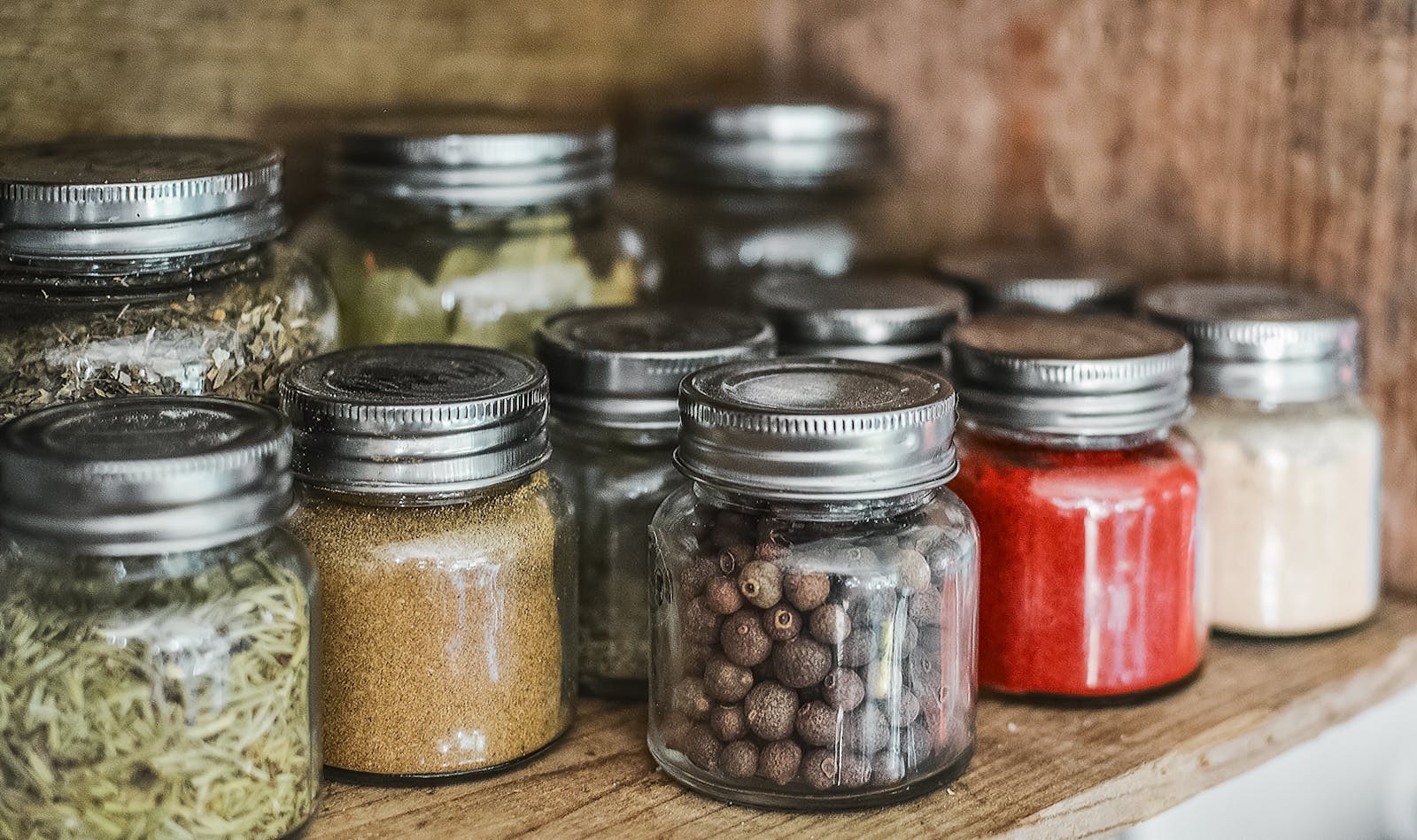
Every time you stock your pantry with preserved foods, you're placing trust in a silent guardian: oxygen absorbers. These unassuming packets might seem inconspicuous nestled within food packaging, but they play a remarkable role in keeping your provisions fresh and safe.
Designed to extend the shelf life of dehydrated and freeze-dried foods, oxygen absorbers work tirelessly to stave off spoilage, protect nutrients, and maintain flavor. But do we really know the impact of these little packets?
Peeling back the layers, the truth about oxygen absorbers in food storage reveals surprising insights that could reshape how you think about long-term food preservation. Could it be that these tiny workhorses are the unsung heroes of your kitchen arsenal, or is there more to their story than meets the eye?
Join us as we uncover the fascinating realities, debunk common myths, and provide essential tips on maximizing the benefits of oxygen absorbers in your food storage strategy.
How Oxygen Absorbers Preserve Food Freshness
When unveiling The Truth About Oxygen Absorbers in Food Storage, it’s essential to understand their primary mission: removing residual oxygen that triggers spoilage. Oxygen absorbers typically contain iron powder or other reactive metals that bind with free oxygen molecules inside sealed containers.
By reducing oxygen levels to below 0.01%, these packets prevent aerobic bacteria, molds, and pests like weevils from thriving and compromising your goods. This threat suppression directly maintains the aroma, taste, texture, and nutritional profile of dried fruits, grains, jerky, and many other staples.
Beyond microbial inhibition, oxygen absorbers protect sensitive vitamins—especially vitamin C and B-complex vitamins—from oxidative degradation. Oxygen can catalyze chemical reactions that diminish nutrient quality and alter flavor compounds over time.
By preserving nutrient integrity, these absorbers help your stored foods remain wholesome and flavorful for months or even years. This technology is especially crucial for long-term preppers, bulk-buy pantry keepers, and small-scale food manufacturers who rely on predictable shelf stability to minimize waste and ensure safety.
Finally, oxygen absorbers serve as a barrier against off-odors and rancidity in high-fat foods like nuts and seeds. Lipid oxidation is accelerated in the presence of oxygen, leading to unpleasant tastes and smells. A well-sealed container with an appropriate oxygen absorber can stave off rancid notes and extend shelf life dramatically.
When used correctly alongside moisture control, these packets become an indispensable ally in maintaining the freshness and quality of your stored provisions.
The Science Behind Oxygen Absorption
At the core of every oxygen absorber is a redox reaction—typically an iron oxidation process. Inside the packet, finely ground iron powder combines with sodium chloride (salt) and activated carbon to accelerate the absorption rate. Once exposed to air within a sealed container, these components catalyze the conversion of iron to iron oxide, effectively trapping free oxygen.
This chemical approach not only lowers oxygen levels but also maintains a stable internal environment, reducing moisture fluctuations. Some advanced absorbers incorporate ascorbic acid or other reducing agents to target specific spoilage pathways, offering multipronged protection.
Understanding this science underscores why oxygen absorbers outperform simple vacuum sealing alone. Even the best vacuum can leave residual oxygen, whereas absorbers eliminate it entirely, creating an near-zero-oxygen atmosphere that is inhospitable to aerobic spoilage agents.
Types of Oxygen Absorbers for Food Storage
Oxygen absorbers come in varied formulations and capacities, tailored for different container sizes and food types. Basic iron-only packets are cost-effective for general pantry items, while specialized blends target high-fat or moisture-sensitive foods.
When selecting absorbers, consider packet capacity—measured in milliliters of oxygen absorbed. Typical household use ranges from 50cc to 500cc packets, with larger capacities needed for bulk storage. Ensure you match the packet to the container volume and headspace oxygen content.
For acidic foods like fruits, choose absorbers with added ascorbic acid to balance pH impact. For oily nuts and seeds, opt for dual-action absorbers that also mitigate moisture to prevent mold growth alongside lipid oxidation.
Common Myths and Misconceptions About Oxygen Absorbers
Myth 1: Oxygen absorbers are harmful if touched. In reality, they contain inert materials—iron powder, salt, carbon—posing minimal risk. The packets are breathable but contain no harmful chemicals.
Myth 2: They work like desiccants. While both remove elements that lead to spoilage, desiccants absorb moisture; oxygen absorbers eliminate oxygen. Many people mistakenly use one in place of the other. For optimal preservation, combine both in high-moisture foods.
Myth 3: One packet fits all. In truth, each packet has a rated absorption capacity. Using an under- or over-rated packet can leave residual oxygen or waste absorber potential, reducing effectiveness and increasing cost.
The Environmental Impact of Oxygen Absorbers
While oxygen absorbers help reduce food waste, the packets themselves generate a small footprint. Most are single-use, ending up in landfills along with packaging materials. However, the environmental cost of wasted food—land use, water consumption, methane emissions—far exceeds the impact of these tiny metal-based packets.
Some manufacturers now offer recyclable or biodegradable packaging for absorbers, and research is underway to develop organic absorbent materials. Until then, conscientious disposal—separating metal from packaging and recycling where possible—can minimize environmental harm while enjoying the food-sparing benefits of oxygen absorbers.
Best Practices for Using Oxygen Absorbers in Food Packaging
Choose the right container. Use airtight jars, Mylar bags, or vacuum-sealed pouches rated for long-term storage. Clean and dry containers thoroughly before filling. Even minimal moisture can hinder absorber efficiency.
Calculate headspace oxygen. Determine the container’s volume and fill level, then select an absorber capacity that exceeds residual oxygen volume. Overestimating slightly ensures complete absorption.
Seal promptly. Place absorbers on top before closing or heat-sealing. The sooner you seal, the less oxygen remains, maximizing shelf life. Label date and contents clearly, and store in a cool, dark location to avoid temperature-induced oxidation.
Benefits of Using Oxygen Absorbers in Long-Term Food Storage
Extended shelf life. By reducing oxygen to near-zero levels, absorbers can double or triple the typical shelf life of dried goods, grains, and freeze-dried products. This consistency is vital for emergency preparedness, bulk planning, and minimizing grocery runs.
Nutrient preservation. Vitamins A, C, and E are highly sensitive to oxidation. Maintaining a low-oxygen environment keeps these nutrients intact, ensuring your stored foods remain both tasty and nourishing.
Flavor retention. Oxygen promotes rancidity and off-flavors, especially in fats and oils. Using absorbers keeps nuts, seeds, and grains tasting fresh months or years beyond standard pantry storage.
Tips for Maximizing the Effectiveness of Oxygen Absorbers
Combine with desiccants for moisture-rich foods like dried beans or powdered mixes. This dual approach blocks both mold growth and oxidation. Keep bags upright during sealing to avoid absorber misplacement.
Avoid opening containers frequently. Each time you open, you introduce fresh oxygen. Instead, portion out in smaller, pre-measured batches, leaving larger containers sealed until needed.
Store in consistent temperatures. Fluctuations cause condensation inside containers, potentially hampering absorber function. Aim for a cool, dry, and dark pantry or storage closet.
Innovations in Oxygen Absorber Technology
Recent developments include smart absorbers that change color to indicate saturation, removing guesswork about when to replace packets. These visual cues ensure maximum protection without trial and error. Scientists are also exploring organic iron alternatives using plant-based compounds, aiming to reduce reliance on mined metals.
Nanotechnology is another frontier, enabling ultra-thin absorber films that adhere to package walls, maximizing contact surface and speeding oxygen uptake. Combined absorber-desiccant hybrids are entering the market, offering an all-in-one solution for moisture and oxidation control.
As these innovations mature, users can expect even easier applications and improved sustainability in food preservation.
Enhancing Food Preservation with Oxygen Absorbers
Oxygen absorbers have quietly revolutionized long-term food storage by halting oxidation, preserving nutrients, and safeguarding flavor. From everyday pantry organization to emergency preparedness, they offer a simple yet powerful tool to extend shelf life and reduce waste.
Understanding the science, debunking myths, and following best practices will ensure you harness the full benefits of oxygen absorbers. As technology evolves, these tiny packets will continue enhancing our ability to store food safely and sustainably.


0 Comments