Have you ever found yourself in a situation where you wished you had a few essential tools at your fingertips, but the bulkiness of a traditional survival kit just didn't make the cut? Enter the world of mini survival kits. These compact lifesavers are specially designed to fit into the palm of your hand, with everything ingeniously packed into an ordinary Altoids tin.
The magic of these kits lies in their ability to be both portable and highly functional, ensuring you're prepared for the unexpected without being weighed down. Creating Mini Survival Kits: How to Build a Kit That Fits in an Altoids Tin is not only a practical endeavor but also a creative challenge that tests your ingenuity.
With limited space, selecting the right components becomes crucial. Imagine packing a matchbox, fishing hooks, a mini first aid supply, and more into a container typically used for mints! This blog post will guide you through curating a kit that maximizes every inch of space while equipping you for a range of scenarios—from a hiking misadventure to a roadside emergency.
Let's dive into this adventure of crafting the ultimate pocket-sized survival toolkit.
Selecting the Essential Tools for Your Mini Survival Kit
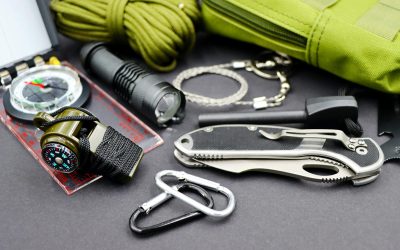
When you embark on assembling your mini survival kit, the first step is to identify the non-negotiable essentials. A compact, sharp utility blade or small folding knife tops the list, offering cutting, carving, and self-defense capabilities. Pair it with a reliable fire starter—such as a tiny ferrocerium rod or waterproof matches—for ignition needs.
Next, include a length of paracord or waxed nylon cordage; it can serve as fishing line, clothing repair thread, or makeshift shelter cord. A small spool of fishing hooks and weighted line grants you access to freshwater protein sources. Finally, a lightweight emergency whistle or signal mirror can alert rescuers if you find yourself lost or injured.
Other must-have items include a compact LED keychain flashlight or glow stick for illumination, plus a few sturdy safety pins or sewing needles for quick repairs. These foundational components form the backbone of any functional pocket-size kit. By thoughtfully selecting versatile tools, you ensure that your Altoids tin can serve as more than just a novelty—it becomes a dependable lifeline.
Remember, the core philosophy of Mini Survival Kits: How to Build a Kit That Fits in an Altoids Tin revolves around balancing minimalism with maximum utility, so choose each piece with care.
Maximizing Space Efficiency in Your Altoids Tin Kit
With your essential tools chosen, the next challenge is squeezing them into the limited cavity of an Altoids tin. Layering items by shape and size is critical. Place flat, low-profile pieces—like razor blades, folded bandages, or adhesive strips—against the tin’s lid. Next, wrap fragile items such as matches or cotton balls in waterproof material and nestle them in corners.
Use small ziplock or plastic film pockets to bundle grouped items, keeping them organized and preventing rattling. Leveraging every square inch requires creativity: cut foam sheets into custom inserts that hold tools snugly, or repurpose the tin’s divider card by trimming cardboard to separate compartments. You can even thread paracord or dental floss through the tin’s hinge to suspend lighter supplies overhead.
The goal is to eliminate wasted space and reduce internal movement so that each component stays in place, ready for immediate access when you need it most.
Building a Fire Starter Kit in a Compact Size
Fire is a cornerstone of survival—providing warmth, signaling, and cooking capability. To save space in your Altoids tin, prioritize tinder and ignition aids that pack small but burn intensely. Cotton balls soaked in wax or separated into fibers can be contained in a tiny aluminum capsule or small ziplock bag. Pair these with a miniature ferrocerium rod and striker; the rod’s compact diameter still yields sparks hot enough to ignite your prepared tinder.
A matchbox converted into a slim stack of waterproof strike-anywhere matches can augment your fire-making options. Alternatively, include quick-ignite tinder tabs, which are thin, paper-like squares that light easily and burn steady. Finally, designate a small metal or ceramic surface—like the tip of your multi-tool—as a striker if you run out of match heads.
By combining these components, you create a robust, pocket-sized fire starter kit that consumes minimal space yet functions reliably under wet or windy conditions.
Including First Aid Supplies in Your Mini Survival Kit
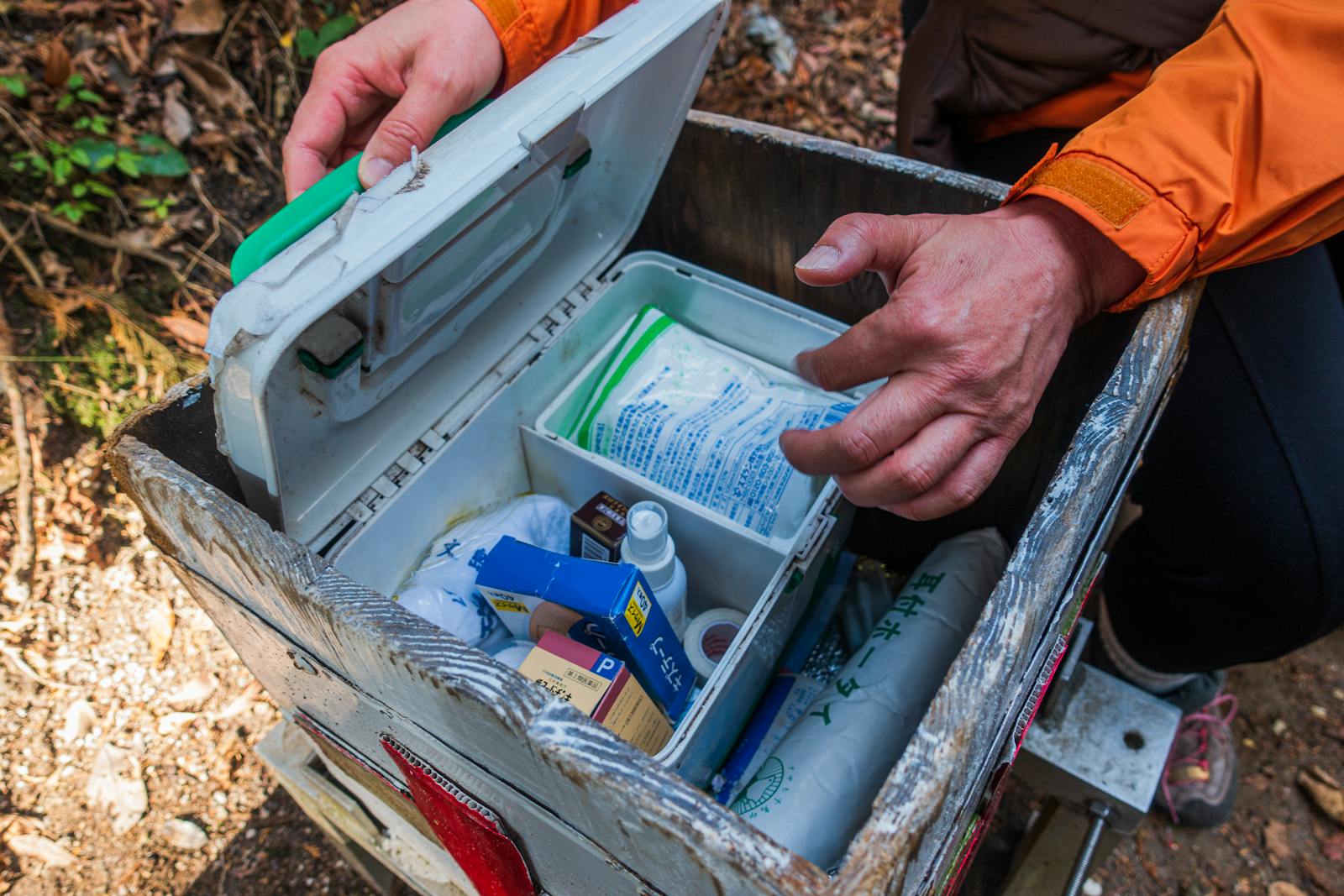
Minor injuries can turn into major problems if left untreated, so even the smallest survival kit must pack first aid essentials. Start with adhesive bandages in varying sizes; they protect cuts and blisters. Fold sterile gauze pads or small squares of medical tape beneath other flat items to keep them compressed.
A tiny alcohol wipe packet disinfects wounds, while a couple of painkiller tablets such as ibuprofen or acetaminophen offer relief from headaches or muscle pain. To address splinters or thorn pricks, include a small pair of tweezers or a sewing needle secured between layers of foam. You can also add a few aspirin tablets double-dipped in nail polish to waterproof them and keep them from crumbling.
If you anticipate longer outings, slipping in a compressed triangular bandage or a length of self-adhesive wrap lends additional support for sprains. By integrating these medical items thoughtfully, you transform your Altoids tin into a life-saving micro-clinic capable of treating everyday mishaps in the field.
Adding Multi-Use Items to Enhance Versatility
Multi-purpose tools amplify the functionality of your mini survival kit without hogging space. One of the most versatile is a short length of thin aluminum foil—it can reflect heat, cook food, signal rescuers, or form makeshift containers. A swath of duct tape, slimmed down by wrapping around a small card, has endless applications: sealing wounds, patching gear, or crafting improvised splints.
A bandana or handkerchief provides water filtration, tourniquet material, or shelter decoration. Other high-value items include a small whistle (for signaling), a compact can opener (for emergency rations), and a miniature signal mirror tucked into a flat pocket. Even a tiny toothbrush head or toothpick can double as a cleaning tool, fishing hook support, or tactically remove debris.
These multi-use components drastically expand your survival options, ensuring your Altoids tin remains a powerhouse of solutions despite its diminutive dimensions.
Incorporating Navigation Tools for Wilderness Survival
Finding your way in the wild can be just as critical as obtaining food or warmth. For a pocket-sized kit, opt for a miniature liquid-filled compass, which takes up minimal room yet offers reliable directional guidance. Pair it with a micro SD card or folded paper map of your local hiking area, sealed in a small waterproof bag.
If weight allows, slip in a few compact glow-in-the-dark trail markers or chemical light sticks—they help you retrace your steps after nightfall. For modern adventurers, a small backup battery strip designed to juice up a phone can serve as your digital compass or GPS fallback. Be sure to include instructions on calibrating and orienting the compass, as well as tips on reading topographical features.
By combining analog and digital navigation aids, you maximize your chances of staying oriented—even when electronic devices fail or run out of power.
Crafting a Mini Tool Kit for Repairs and Improvisations
When gear breaks or you face unexpected obstacles, a few precision tools can save the day. A compact multi-tool (keychain-sized) equipped with pliers, screwdrivers, and scissors should be your centerpiece. Tuck a tiny screwdriver bit set inside a straw segment sealed with tape or foam. Steel safety pins and spare sewing needles make emergency stitching or gear tethering possible.
A short length of insulated wire or zip ties helps secure loose parts or fashion makeshift snares. You can bind these to the tin’s underside or wrap them around a bolt inside the lid. A folded piece of fine-grit sandpaper can smooth ragged edges or sharpen improvised tools.
By housing these repair essentials alongside your other kit items, you prepare yourself not only for survival but also for on-the-spot innovations, ensuring any equipment malfunction becomes a minor inconvenience rather than a trip-ender.
Personalizing Your Mini Survival Kit with Items of Comfort
Survival isn’t only about sustenance and shelter; it’s also about morale. Including a small comfort item can bolster your mental resilience in stressful situations. Carry a favorite tea bag or instant coffee packet tucked in a flat blister pack. A small chocolate square or energy chew can boost your blood sugar and spirits when you feel low. A few headspace-sealing drops of essential oils on a folded tissue can soothe anxiety or headaches.
Personal touches like a laminated photo of loved ones or a tiny handwritten note remind you why you’re pushing forward. A lip balm stick or miniature hand cream can prevent chapped skin in harsh conditions. While these comfort items may seem trivial, they can provide crucial psychological support, changing survival from a purely physical battle to a balanced mind-and-body endeavor.
Organizing and Securing Items Within the Altoids Tin
Maintaining order in your mini survival kit is as vital as selecting the right contents. Start by grouping similar items—like first aid supplies or fire-starting materials—and securing them in miniature zip-seal bags or thin silicone cases. Use strips of adhesive Velcro or tiny magnets glued to foam inserts to hold metal tools in place. This prevents rattling and reduces the risk of damaging delicate components.
Color-coding with small tabs or sticky labels helps you quickly identify each section under low light or high stress. If your kit feels overstuffed, swap out individual items for multi-function alternatives. Finally, periodically audit and replenish perishable supplies—such as alcohol wipes or matches—to keep your Altoids tin kit ready for any emergency.
A well-organized kit not only saves precious seconds in a crisis but also extends the lifespan of each component.
Your Handy Guide to Crafting the Ultimate Mini Survival Kit
Creating a mini survival kit in an Altoids tin is both an art and a science. By carefully selecting essential tools, maximizing every inch of tin space, and incorporating versatile items, you build a reliable companion for any outdoor excursion or unexpected emergency.
From fire starters and first aid supplies to navigation aids and personal comforts, each component plays a vital role in your overall preparedness. With this guide in hand, you’re well on your way to crafting the ultimate pocket-sized survival toolkit—always ready for adventure and the unexpected.


0 Comments