Imagine being in the heart of the wilderness, surrounded by towering trees and the sounds of nature, ready to brew your morning coffee. But just as you reach for your trusty portable stove, a nagging thought crosses your mind: did you pack the right type?
Selecting the ideal portable stove can be the difference between a seamless outdoor experience and a frustrating struggle with an unreliable device. The choice between alcohol, butane, and solid fuel stoves isn't just about convenience—it's about safety, efficiency, and aligning with your environmental values.
With so many options available, each boasting unique benefits and drawbacks, how do you make the right choice? In this comprehensive guide on comparing portable stoves: alcohol, butane, and solid fuel, we dive deep into the specifics of each type.
We'll explore factors like fuel availability, cooking efficiency, and environmental impact, equipping you with the knowledge to make an informed decision for your next adventure. Whether you're a seasoned camper or a weekend warrior, understanding these distinctions is crucial for making your outdoor escapades both enjoyable and eco-friendly.
Alcohol Stoves: Features and Benefits
Alcohol stoves are lightweight, simple in design, and rely on denatured alcohol or methylated spirits as fuel. They usually consist of a small burner reservoir and no moving parts, which minimizes the risk of mechanical failure on the trail. Because they burn cleanly, alcohol stoves produce a relatively low flame that is easy to control, making them well-suited for simmering delicate sauces or boiling water steadily without scorching.
Their compact size and collapsible designs mean they pack down to almost nothing, saving precious space in your backpack. One of the standout advantages of alcohol stoves is fuel availability and safety. Denatured alcohol can often be found in hardware stores or camping shops around the world, so you rarely need to carry large quantities from home.
It’s also non-pressurized, eliminating the risk of explosive failures common to some gas canisters. Cleaning and maintenance are minimal—simply wipe off residue and rinse the burner. When considering comparing portable stoves: alcohol, butane, and solid fuel, many outdoor enthusiasts praise the simplicity and reliability of alcohol stoves for their no-fuss operation and long-term performance in cold-weather conditions.
Alcohol Stoves vs. Butane Stoves
When comparing portable stoves: alcohol, butane, and solid fuel, the distinction between alcohol and butane models centers on fuel efficiency, temperature performance, and overall ease of use. Alcohol stoves excel in ultra-lightweight setups and extreme cold, since denatured alcohol remains liquid at sub-zero temperatures.
Butane stoves, by contrast, utilize pressurized canisters that deliver higher BTU outputs, enabling faster boil times and more consistent high heat. This makes butane stoves ideal for cooking larger meals or when you need rapid water boils.
However, butane canisters may perform poorly in temperatures below about -5°C, where pressure drops and flame output dwindles. They also require compatible threaded canisters, which can be bulky and create disposal issues.
Alcohol stoves shine in multi-fuel expeditions where simplicity and reliability trump raw power, whereas butane stoves cater to those who prioritize speed and convenience. Understanding these trade-offs is central to your decision-making in comparing portable stoves: alcohol, butane, and solid fuel—especially when weight, fuel availability, and cooking speed enter the equation.
Butane Stoves: Pros and Cons
Butane stoves are known for delivering a strong, adjustable flame that can boil water quickly and maintain consistent heat under varying conditions. The convenience of screw-on canisters makes them user-friendly: pop on a fresh can, ignite, and cook.
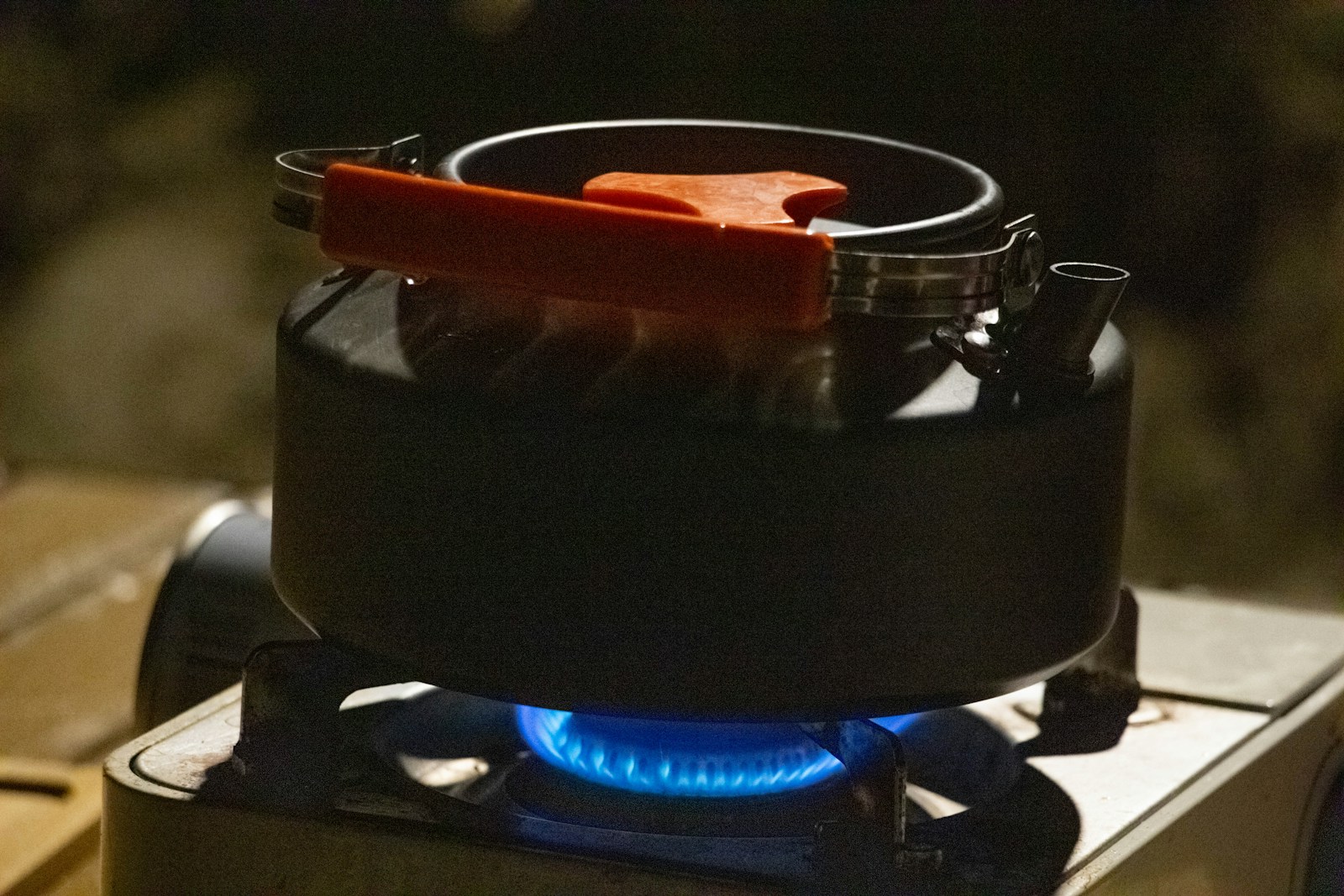
Many butane models feature a built-in regulator or windscreen to stabilize the flame in breezy environments, improving efficiency and fuel economy. They typically produce a bright blue flame, ensuring cleaner combustion and less soot on cookware.
On the downside, butane stoves carry several drawbacks. Cold weather performance degrades as the canister’s internal pressure drops, leading to sputtering or flameouts in temperatures below freezing. The single-use canisters also generate more waste, and finding specific brands in remote regions can be challenging.
Furthermore, the pressurized nature of butane cylinders introduces safety risks if damaged or over-heated. While butane stoves offer superior power and convenience, they demand careful handling, reliable canister disposal plans, and an awareness of temperature limitations when planning any trip.
Butane Stoves vs. Solid Fuel Stoves: Which is Right for You?
In the debate between butane stoves and solid fuel models, the key considerations are power output, simplicity, and environmental footprint. Butane stoves offer higher heat intensity and more precise flame control, ideal for meals requiring rapid cooking or consistent simmering.
Solid fuel stoves, on the other hand, use hexamine or Esbit tablets that burn cleanly, leaving minimal ash and no liquid waste. These stoves are ultra-compact and often weigh less than butane setups, making them a go-to for weight-weenies.
Solid fuel tablets can be stored indefinitely without leakage, which is a boon for long-term preparedness or emergency kits. However, tablet availability varies by region, and each fuel cell delivers only a short burn time—often just enough to boil a liter of water. Conversely, butane bottles provide longer, adjustable burn times but require proper disposal and can freeze up in cold climates.
Your choice should hinge on trip duration, required cooking intensity, and package weight. For minimalists seeking straightforward boiling, solid fuel stoves excel; for cooks who need versatility, butane remains unmatched.
Solid Fuel Stoves: Efficiency and Performance
Solid fuel stoves utilize compact fuel tablets made from hexamine or trioxane that ignite easily with a match and burn without visible flame in some cases. Their simplicity makes them nearly foolproof—place the tablet, light it, set your pot, and cook. Solid fuel stoves are prized for their ultralight weight and negligible maintenance.
There are no canisters, no spills, and no complex fuel lines, which translates to fewer failure points and less gear to clean after a messy pasta night. However, efficiency can be lower compared to liquid or gas fuels. A single tablet often yields just 7–10 minutes of burn time, enough to boil about 500–750 milliliters of water under ideal conditions.
Wind and cold can further reduce burn duration, so many users carry multiple tablets. The heat output is steady but lower than butane, so cooking larger meals can be time-consuming. For backpackers prioritizing minimalism and emergency preparedness, solid fuel stoves deliver unmatched reliability, provided you plan fuel allocation carefully and accept slightly longer cook times.
Environmental Impact of Alcohol Stoves
Alcohol stoves burn cleanly, producing primarily carbon dioxide and water vapor with minimal soot or black carbon. Denatured alcohol is derived from ethanol mixed with additives, and while it does release greenhouse gases, its combustion is relatively efficient when the stove is well-designed.
Since alcohol stoves do not rely on pressurized canisters, they generate less solid waste, and any spills can often be absorbed by soil without significant ecological harm. Leftover alcohol can be stored in reusable bottles, reducing single-use plastic consumption.
One environmental caveat is the production of denatured alcohol, which often involves fossil fuel inputs or biomass fermentation. Nonetheless, when sourced sustainably (e.g., from sugarcane or other plant-based feedstocks), it can offer a lower environmental footprint than some petroleum-derived fuels.
Ultimately, the small amounts used in backpacking have a negligible local impact, making alcohol stoves a relatively eco-friendly option for conscientious outdoor enthusiasts.
Environmental Impact of Butane Stoves
Butane stoves burn liquefied petroleum gas cleanly during combustion, releasing carbon dioxide and water vapor. However, the production and distribution of butane involve fossil fuel extraction and refining, contributing to greenhouse gas emissions upstream.
The biggest environmental concern is the disposable pressurized canisters, which are often made of steel or aluminum and coated with plastic liners. Although many areas offer canister recycling programs, contamination from residual fuel can render them non-recyclable, leading to landfill waste.
Moreover, improper disposal in wilderness areas poses risks to wildlife and soil quality. Some remote campsites do not have recycling facilities, so campers may carry empty canisters home, increasing pack weight.
From an environmental standpoint, butane stoves are less sustainable than alcohol or solid fuel options unless users commit to strict recycling routines and choose refillable canister adapters where available.
Environmental Impact of Solid Fuel Stoves
Solid fuel tablets are typically made from hexamine, trioxane, or other compounds that produce minimal smoke and leave behind small ash residues. The ash is generally non-toxic and easily scattered or packed out, making solid fuel one of the cleanest-burning options.
Because tablets are compact and lightweight, transportation emissions per trip are minimal, and there is no need for heavy metal or plastic liners in fuel containers. However, the environmental downside lies in manufacturing. Hexamine production involves formaldehyde and ammonia, both derived from fossil fuels, and emits pollutants during synthesis.
The tablets themselves are single-use, so unless packed out, the ash contributes to micro-waste. Still, compared to pressurized canisters, solid fuel has a smaller physical footprint and lower litter potential, positioning it as a middle ground between alcohol and butane in ecological terms.
Factors to Consider When Choosing a Portable Stove
When selecting a portable stove, start by defining your trip profile. Are you heading into subzero temperatures or sticking to mild climates? Alcohol stoves excel in extreme cold, while butane stoves deliver peak performance in moderate conditions. If you prioritize ultralight weight and simplicity, solid fuel stoves may be the answer, but plan for limited burn time.
Next, consider fuel availability and logistics. Denatured alcohol and solid fuel tablets can often be sourced or shipped anywhere, whereas butane canisters may be restricted or unavailable in certain regions.
Evaluate your cooking style: do you need rapid boiling and high heat for dehydrated meals, or is gentle simmering sufficient for simple soups and coffee? Finally, don’t overlook environmental impact and waste management.
Reusable alcohol stoves generate minimal trash, solid fuel tablets leave small ash, butane canisters require recycling or pack-out. Balancing these factors with weight, convenience, and cost will guide you toward the perfect stove for your next outdoor adventure.
Selecting the Best Portable Stove for Your Outdoor Adventures
Choosing between alcohol, butane, and solid fuel stoves ultimately comes down to balancing power, weight, fuel availability, and environmental responsibility. Alcohol stoves offer reliability in cold weather and minimal waste, butane stoves shine in performance and ease of use, and solid fuel stoves excel in lightweight simplicity.
By understanding each stove’s features, pros and cons, and ecological footprint, you can confidently select the best portable stove for your unique needs. Whether you’re a minimalist backpacker or a cooking enthusiast, the right choice ensures memorable, hassle-free meals under the open sky.




0 Comments