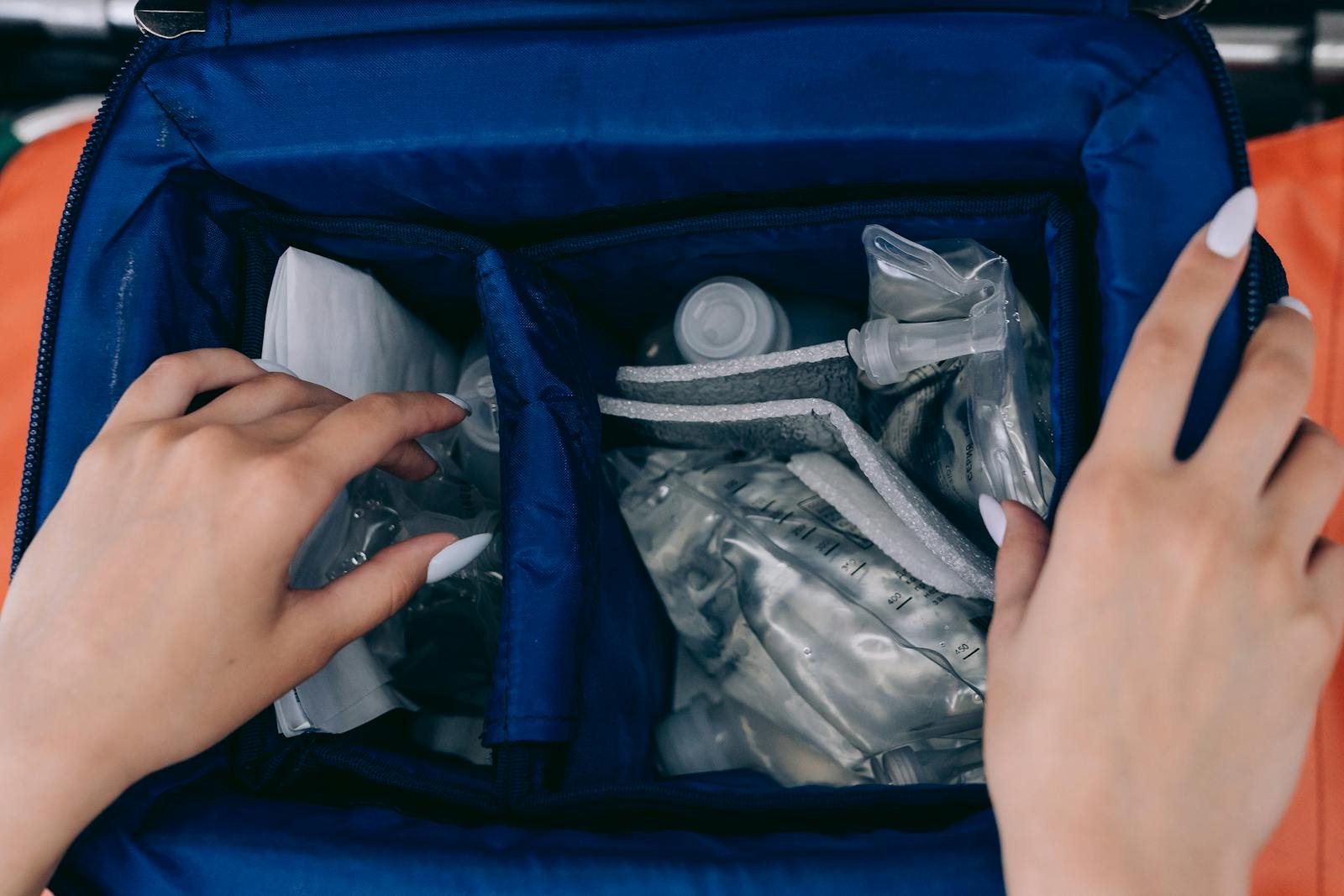
Imagine taking a road trip with the anticipation of adventure ahead, only to be met with an unexpected detour—one that leaves you stranded on the side of the road. In these moments, the difference between discomfort and disaster often hinges on your level of preparedness.
A meticulously packed car-specific 72-hour kit can transform uncertainty into peace of mind, equipping you with the essentials needed to navigate unforeseen challenges. Whether it's navigating through extreme weather, mechanical breakdowns, or unexpected delays, having the right items at your fingertips can spell the difference between a stressful situation and a manageable inconvenience.
Statistics reveal that nearly 70% of people experience some form of roadside emergency annually, yet many are unprepared for such events. This underscores the importance of a well-thought-out car-specific 72-hour kit. But what should you include, and why? This blog post delves into creating a comprehensive kit tailored to your vehicle, ensuring you're ready for whatever comes your way.
From first aid supplies to multitools, each component of your customized kit plays a critical role in enhancing safety and comfort during a roadside crisis. Let's explore how you can equip yourself for life's unpredictable journeys.
Essential First Aid Supplies
When assembling your Car-Specific 72-Hour Kit: What to Add and Why, a robust first aid section is non-negotiable. Roadside incidents often result in minor cuts, scrapes, burns, or bruises that, if left untreated, could become infected or lead to more severe complications. Including a well-stocked first aid kit ensures you can address injuries immediately, reducing pain and preventing escalation until professional help arrives.
Additionally, having medical supplies on hand lends peace of mind for solo travelers and families alike, making your journey safer and more comfortable. Your essential first aid supplies should include a variety of adhesive bandages in multiple sizes, sterile gauze pads, and adhesive tape. Antiseptic wipes or solution will help cleanse wounds, while antibiotic ointment prevents infection.
Include over-the-counter pain relievers such as ibuprofen or acetaminophen, antihistamines for allergic reactions, and any personal prescription medications with extra refills. Scissors, tweezers, and safety pins are invaluable for cutting bandages or removing splinters. A CPR mask, instant cold packs, and a triangular bandage for slings can address more serious injuries.
Finally, keep an emergency first aid manual or quick-reference guide to walk you through common procedures. By diligently curating these supplies, you’ll convert your kit into a reliable medical resource, capable of handling most minor emergencies on the road.
Tools for Basic Vehicle Repairs
Incorporating vehicle repair tools in your Car-Specific 72-Hour Kit: What to Add and Why empowers you to tackle common mechanical issues and avoid being stranded for hours. Even minor breakdowns—flat tires, dead batteries, or loose battery connections—can derail travel plans and leave you vulnerable if help isn’t immediately available.
Equipping your kit with basic tools gives you the flexibility to perform quick fixes, restore mobility, and proceed safely. This section transforms a passive waiting game into proactive problem-solving on the roadside.
Your repair toolkit should include jumper cables or a jump starter pack to bring a dead battery back to life, a lug wrench and sturdy jack for tire changes, and a compact tire repair kit with plugs and sealant for minor punctures. A portable air compressor or CO₂ inflator can top off underinflated tires, ensuring safe handling.
Keep a set of wrenches or adjustable spanners, screwdrivers (flathead and Phillips), pliers, and an assortment of fuses for your vehicle’s fuse box. Duct tape, zip ties, and multipurpose utility wire are invaluable for temporary fixes, from holding loose components in place to repairing hoses.
Don’t forget a folding shovel, work gloves, and a sturdy flashlight or headlamp for nighttime repairs. By packing these essentials, your Car-Specific 72-Hour Kit: What to Add and Why evolves into a mobile workshop capable of handling the most frequent roadside malfunctions.
Emergency Food and Water Rations
Food and hydration are paramount when you’re stuck on the roadside for extended periods. Including emergency food and water rations in your Car-Specific 72-Hour Kit: What to Add and Why ensures that you maintain energy and hydration levels, preventing fatigue, headaches, or worse.
Whether you’re waiting for assistance or navigating difficult terrain on foot, non-perishable, easy-to-carry provisions keep you going until help arrives. Stock your kit with bottled water—at least one gallon per person per day for a 72-hour period—and consider adding water purification tablets or a portable filter in case you need to forage from natural sources.
For food, opt for high-calorie, nutrient-dense options such as energy bars, trail mix, dehydrated meals, or freeze-dried entrees that require only hot water to prepare. Ready-to-eat canned goods with pull-tab lids, peanut butter packets, and canned tuna or chicken packets provide protein and endurance. Include a compact camping stove or folding cup-and-heater set alongside fuel canisters if you plan on heating meals.
Don’t forget utensils, a lightweight mess kit, and disposable napkins. Regularly rotate these supplies every six months to keep them fresh. With adequate food and water on hand, your Car-Specific 72-Hour Kit: What to Add and Why becomes a lifeline, sustaining you during unplanned road delays.
Communication Devices and Chargers
Staying connected during a roadside emergency can be life-saving. Communication devices and chargers are fundamental components of any Car-Specific 72-Hour Kit: What to Add and Why, ensuring you can call for assistance, receive updates on weather or traffic, and coordinate rescue efforts.
When cell towers fail or batteries drain, having versatile communication tools boosts your ability to secure help quickly and efficiently. Your kit should include a fully charged smartphone with an extra durable charging cable, a portable power bank (preferably with solar charging capability), and a multiport USB car charger.
For areas without reliable cellular coverage, consider adding a satellite phone, Personal Locator Beacon (PLB), or a satellite messenger device that can send an SOS signal with GPS coordinates. A two-way CB radio or FRS/GMRS walkie-talkies are useful for group travel or communicating with nearby vehicles.
Pack extra batteries for all devices in sealed bags to maintain longevity. Finally, include a small notebook and pen to jot down important information such as dispatcher numbers, roadside assistance details, or GPS coordinates. Equipping yourself with these communication essentials ensures that your Car-Specific 72-Hour Kit: What to Add and Why keeps you reachable and informed in worst-case scenarios.
Personal Hygiene and Sanitation Items
Maintaining personal hygiene during a prolonged roadside situation is often overlooked but crucial for health, comfort, and morale. Including sanitation supplies in your Car-Specific 72-Hour Kit: What to Add and Why reduces the risk of infection, controls odors, and helps preserve a sense of normalcy when you’re stuck away from home amenities.
A clean environment supports physical well-being and can boost mental resilience during stressful waits. Your hygiene section should contain alcohol-based hand sanitizers, antibacterial wet wipes, and biodegradable soap for personal cleansing. Pack a roll of toilet paper or tissues, disposable bags for waste disposal, and sealable plastic bags for used items.
Feminine hygiene products and diapers, if relevant, are essential for certain travelers. Include dental care items like a travel toothbrush, toothpaste, and floss picks. A compact towel or microfiber cloth, a basic travel-size shampoo, and deodorant will help you feel refreshed. Additionally, consider adding insect repellent and sunscreen if you’re exposed to outdoor elements.
By addressing hygiene in your Car-Specific 72-Hour Kit: What to Add and Why, you safeguard against germs and discomfort, making an extended roadside stop more bearable.
Emergency Blankets and Clothing
Weather conditions can change rapidly on the road, and being unprepared for cold, rain, or intense sun can escalate an already stressful situation. Emergency blankets and appropriate clothing are key elements of your Car-Specific 72-Hour Kit: What to Add and Why, providing temperature regulation and protection from the elements.
These items help prevent hypothermia, heatstroke, and other weather-related health risks. Keep compact mylar emergency blankets or bivvy sacks that reflect body heat to maintain warmth in cold environments. Pack a set of moisture-wicking base layers, waterproof outer layers, and insulating mid-layers such as fleece or down jackets.
Include extra pairs of socks and undergarments, a warm hat, gloves, and a sturdy pair of closed-toe shoes or waterproof boots. Don’t forget a wide-brimmed hat or cap and UV-protective clothing for sun exposure. Store these items in waterproof dry bags or sealable plastic containers to keep them dry and accessible.
By layering appropriately and having emergency blankets on hand, your Car-Specific 72-Hour Kit: What to Add and Why becomes a versatile defense against unpredictable weather.
Signaling and Lighting Equipment
When stranded, attracting attention quickly can mean the difference between a brief delay and a prolonged emergency. Signaling and lighting equipment in your Car-Specific 72-Hour Kit: What to Add and Why helps ensure you’re visible to passing motorists or rescue teams, especially in low-light or poor-visibility conditions.
Proper signaling tools boost your chances of receiving timely assistance and reduce the risk of secondary accidents. Include high-visibility roadside triangles, reflective vests, and brightly colored flags that can be placed a safe distance from your vehicle. Flares—both traditional and LED types—offer bright, long-lasting signals.
A durable, waterproof flashlight with extra batteries and a headlamp provide hands-free illumination for nighttime repairs or signaling. Glow sticks serve as silent, non-flammable light sources. You may also carry a whistle or handheld mirror to create noise or reflect sunlight toward distant observers.
Store all items in an easy-to-reach section of your trunk or cargo area so you can deploy them immediately. With these tools on hand, your Car-Specific 72-Hour Kit: What to Add and Why ensures you’re equipped to catch attention and stay safe.
Important Documents and Cash Stash
During a roadside emergency, having quick access to vital documents and funds can expedite help and reduce stress. Important documents and a small cash stash are often overlooked, yet they play a critical role in your Car-Specific 72-Hour Kit: What to Add and Why.
When technology fails or electronic payments aren’t accepted, paper copies and cash ensure you can verify identity, access services, and cover emergency expenses without delay. Store photocopies or digital backups (on a USB drive) of your driver’s license, vehicle registration, insurance information, and medical records in a waterproof pouch.
Include emergency contact numbers, a roadside assistance membership card, and a list of nearby hospitals or repair shops along your route. Keep a modest amount of cash in small denominations—enough to cover fuel, tolls, snacks, or a ride-share if necessary. A credit card or prepaid travel card adds flexibility but don’t rely solely on electronic payments.
By organizing these documents and funds neatly within your Car-Specific 72-Hour Kit: What to Add and Why, you maintain readiness for administrative hurdles and financial contingencies during roadside crises.
Customizing Your Kit for Specific Needs
One size rarely fits all when it comes to emergency preparedness, and your Car-Specific 72-Hour Kit: What to Add and Why should reflect your unique circumstances. Factors such as climate, travel companions, health conditions, and destination terrain determine which additional items will make your kit most effective.
Customization ensures you’re not overburdened with unnecessary gear while still covering critical needs. For families traveling with children, include extra diapers, formula, favorite snacks, and small comfort items like toys or books. Pet owners should add a leash, collapsible water dish, and pet-friendly food portions.
If you have medical conditions, pack extra medications, a list of prescriptions, and specialized equipment like test strips or inhalers. Seasonal adjustments may include snow chains and kitty litter for traction in winter, or mosquito netting and extra sunscreen in summer. Adventure seekers heading off-road might add a winch strap, tow rope, or portable air compressor.
Regularly review and tailor your kit based on trip length, destination specifics, and personal requirements. This targeted approach to your Car-Specific 72-Hour Kit: What to Add and Why maximizes efficiency and preparedness for any roadside scenario.
Ensuring Preparedness for Any Roadside Situation
Building a Car-Specific 72-Hour Kit: What to Add and Why is an investment in safety, comfort, and peace of mind. By thoughtfully including first aid supplies, repair tools, food, water, communication devices, and personalized items, you create a versatile resource capable of handling most roadside emergencies.
Regularly review, rotate, and update your kit to keep contents fresh and relevant to your travel plans. In doing so, you’ll be ready to face unexpected detours with confidence and resilience.




0 Comments