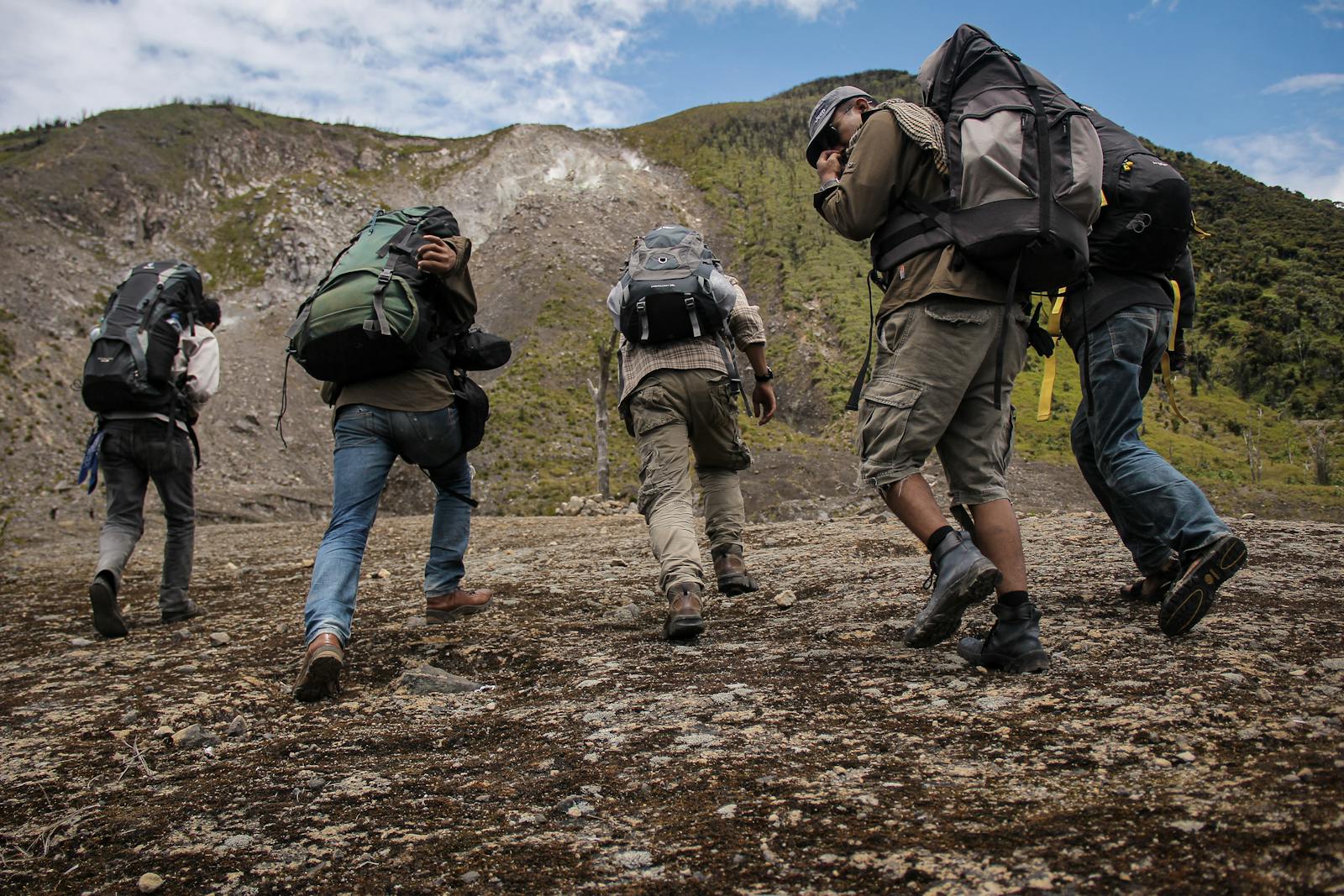
When preparing for unforeseen events, having the right backpack can make all the difference between being ready and finding yourself in a tight spot. But not all backpacks are created equal, especially when it comes to catering to the diverse body types of those who carry them.
Imagine trying to trek through rugged terrain with a backpack that's too large or small—it not only hampers your agility but can also lead to unnecessary strain. That's why choosing the best prepper backpacks for different body types is crucial in ensuring comfort and efficiency when it matters most.
Gone are the days when one-size-fits-all backpacks dominated the market. Today, there's an array of packs designed with specific body types in mind, offering features like adjustable straps, customizable compartments, and ergonomic designs that conform to your unique contours.
Whether you’re tall, petite, broad-shouldered, or somewhere in between, finding a backpack that aligns with your physique can enhance your preparedness efforts tenfold. As we delve into the world of prepper backpacks tailored for diverse body types, we’ll explore the top options that provide both functionality and comfort, setting you up for success in any scenario.
Backpack Sizing Guide for Different Body Types
When it comes to selecting prepper backpacks for different body types, accurate sizing is your foundation. The most critical measurement is your torso length—the distance from the C7 vertebra at the base of your neck to the top of your hip belt.
A pack that matches your torso length ensures the weight sits where it should, on your hips, rather than pulling down on your shoulders. Many manufacturers offer adjustable suspension systems so you can fine-tune the fit.
In addition, strap placement and hip belt curvature should mirror the natural contours of your body to reduce hotspots and prevent chafing during extended use.
Beyond torso length, hip belt size and width play a pivotal role, especially for users with wider hips or narrow frames. A hip belt that’s too narrow can dig into your iliac crest, causing discomfort, while an overly large belt may twist or shift under heavy loads.
Shoulder strap width and padding density also vary by model, influencing how the backpack conforms to chest width and shoulder slope. By taking precise measurements and consulting each brand’s sizing chart, you can avoid the frustration of a misfitting pack and ensure you carry crucial gear comfortably during critical situations.
Best Prepper Backpacks for Tall Individuals
Tall individuals often struggle with packs that ride too low or feel top-heavy due to mismatched suspension lengths. The Osprey Aether AG 70 stands out as a premier choice, thanks to its customizable harness and adjustable torso length that accommodate heights up to 6’4”.
Its Anti-Gravity suspension seamlessly molds to your back, distributing weight evenly across the shoulders and hips. Similarly, Mystery Ranch Metcalf features an adjustable yoke system and well-padded hip belt designed for larger frames, making it easy to carry heavy loads without compromising comfort.
Another top contender is the 5.11 Rush72, which offers a spacious 55-liter main compartment and an innovative interior divider system, perfect for tall prepper builds. With its reinforced haul handle and beefy shoulder straps, this pack stays secure when scaled to longer torsos.
By focusing on models explicitly engineered for extended torso lengths, tall users can tackle long-distance treks or emergency scenarios without battling a poorly fitting backpack that hinders performance.
Top Picks for Petite Body Frames
Petite users require packs that won’t swamp their smaller frames or restrict their range of motion. The Osprey Kyte 46 is an excellent option, featuring a women’s-specific fit with slimmer shoulder straps and a contoured hip belt that prevents bulk around the waist.
Its lightweight construction and adjustable torso length down to a petite setting ensure a snug, stable carry even when fully loaded. Deuter Futura 36 SL is designed for shorter torsos, offering a flexible VariQuick back length adjustment and softer, slimmer straps that accommodate narrow shoulders.
For those seeking an ultralight solution, the REI Co-op Flash 45 offers a minimalist design with a dialed-in fit, thanks to its removable belt pockets and webbing strap adjustments.
These petite-friendly packs deliver capacity without overpowering smaller body frames, making them ideal for streamlined prepper kits.
Backpacks with Adjustable Straps for Versatile Fit
Adjustable straps are a game-changer when you need a versatile fit across different body types. Look for packs with telescoping TorsoFit systems, load-lifter straps, and multiple sternum strap anchor points. These features let you tailor the pack’s center of gravity, drawing the weight closer to your back for improved stability.
A well-designed strap system also accommodates layering, ensuring your jacket or body armor doesn’t interfere with the fit. Packs like the Gregory Baltoro and the Kelty 5400 offer extensive strap adjustability, from shoulder harness rotation to wide-range hip belt positioning.
When testing these models, tighten or loosen each strap while wearing your typical prepper load to confirm there’s enough travel in the buckles. Properly adjusted straps will eliminate sway, reduce fatigue, and let you focus on the mission ahead rather than constantly fiddling with your pack.
Ergonomic Designs for Enhanced Comfort
Ergonomic designs aim to mimic the human body’s natural curves, allowing for a more intuitive and comfortable carry. Look for pre-curved shoulder harnesses that follow the slope of your deltoids, and hip belts shaped to match pelvic anatomy.
Packs incorporating mesh back panels and suspended frames improve airflow, reducing sweat buildup and hot spots—vital during extended missions or hikes in hot environments.
Brands like Teton Sports and CamelBak integrate these ergonomic principles into their prepper backpack lines. The Teton Sports Explorer 4000 features a ventilated U-shaped back panel and padded lumbar support, relieving pressure on your lower back.
CamelBak’s M.U.L.E. series offers an articulating back panel that flexes with each movement, promoting a natural gait. By choosing an ergonomically optimized pack, you’ll notice less muscle strain and greater endurance over prolonged use.
Customizable Compartments for Organized Storage
In a survival scenario, quick access to essential items is paramount. Backpacks with customizable compartments allow you to rearrange dividers, add or remove pouches, and designate zones for tools, medical kits, and hydration bladders.
Look for patented interior divider systems or modular webbing that enable you to fine-tune the organization to your specific gear list. The Mystery Ranch 3-Day Assault Pack, for instance, features a zippered front panel that fully opens, revealing multiple slip pockets and zip compartments for Velcro-attachable pouches.
The Maxpedition Sitka Gearslinger offers a rotating hip-belt holster and multiple MOLLE panels for attaching accessories. When compartments align with your workflow—medical gear in one section, navigation tools in another—you’ll spend less time rifling through pockets and more time staying prepared.
Durability and Weight Distribution Features
Durability is non-negotiable for any prepper backpack. High-denier nylon, reinforced stress points, and water-resistant coatings extend a pack’s lifespan under harsh conditions. Internally, aluminum or composite frames distribute weight away from sensitive pressure points, while load-lifter straps fine-tune how the weight sits relative to your chest and hips.
A reliable frame also prevents bottoming out when carrying heavy kit, maintaining a consistent center of gravity. Y straps and tensioning systems can further improve load distribution by drawing heavy items closer to your back. Look for reinforced stitching at all major stress points—shoulder strap anchor, hip belt attachment, and frame channels.
Brands like Mystery Ranch, Osprey, and Arc’teryx invest heavily in field testing to ensure their packs withstand abrasion, heavy loads, and inclement weather, giving you a purchase you can trust in critical moments.
Budget-Friendly Options without Compromising Quality
Not every prepper needs to spend top dollar to get a reliable backpack. Several budget-friendly options deliver durability and essential features at a fraction of the cost.
Brands like Teton Sports, High Sierra, and Outdoor Products offer packs built from sturdy 600D or 900D polyester with reinforced stitching and basic frame support systems. While they may lack advanced suspension or ultralight materials, these models still provide ample storage and sufficient comfort for most emergency scenarios.
Look for budget packs with adjustable hip belts, removable waist packs, and easy-access side pockets to stretch value. Some even feature hydration bladder compatibility and rain covers, usually reserved for higher-end models.
By focusing on the core features—proper fit, reasonable durability, and functional organization—you can build an effective prepper kit without breaking the bank.
Factors to Consider When Choosing a Prepper Backpack
When evaluating any pack, start with capacity: select a size that holds all your essential gear without encouraging you to carry extraneous items. Next, test the suspension system—adjustable harnesses, load-lifter straps, and hip belts—to ensure they accommodate your torso length and hip width.
Don’t overlook materials: higher-denier fabrics and water-resistant coatings boost longevity, especially in rough environments. Additional factors include weight, pack weight itself adds to your load—look for a balance between lightweight design and durability.
Modular compartments and MOLLE compatibility increase versatility, while ergonomic back panels and ventilated designs improve comfort. Finally, factor in your budget and prioritize features aligned with your mission profile; sometimes a mid-priced pack with targeted features beats a premium all-in-one design.
Choosing the Right Prepper Backpack for Your Body Type
Selecting the best prepper backpacks for different body types involves careful measurement, understanding of key features, and honest evaluation of your specific needs. By focusing on torso length, adjustability, ergonomic design, and durability, you can pinpoint a pack that won’t just carry gear but enhance your mobility and readiness.
Whether you’re tall, petite, or anywhere in between, there’s a prepper backpack built to align with your physique and mission. Invest the time to test fit, research materials, and compare models—and you’ll find a reliable companion that stands up to any challenge.


0 Comments