Navigating the challenge of limited space in a small apartment can feel like a constant puzzle, especially when it comes to storing food efficiently. You might think your tiny kitchen is destined for chaos and clutter, but there are hidden gems within your living space just waiting to be uncovered.
The good news is, with a sprinkle of creativity and organization, even the smallest of kitchens can become a masterclass in maximizing storage potential. Whether you're a seasoned minimalist or a culinary enthusiast with a penchant for collecting exotic spices, finding the best places to store food in small apartments can transform your cooking routine and ease daily living.
Imagine opening your pantry to find everything you need, neatly arranged, and easy to access, rather than buried beneath clutter. Picture the satisfaction of pulling out a perfectly organized drawer where each item has its rightful place. By rethinking and repurposing spaces, you can make room for all your essentials without sacrificing style or function.
From vertical storage hacks to clever use of underutilized nooks, we’ll explore inventive ideas that will help you maximize every inch of your apartment. Let’s embark on this journey to transform your small space into an efficient and stylish haven for all your culinary needs.
Utilizing Vertical Space for Storage
When floor space is at a premium, looking up can unlock a world of storage possibilities. Utilizing vertical space for storage means tapping into the height of your walls and cabinets to hold food items that would otherwise overcrowd your counters or cupboards. Start by installing floor-to-ceiling shelving units or wire racks next to your refrigerator or above door frames.
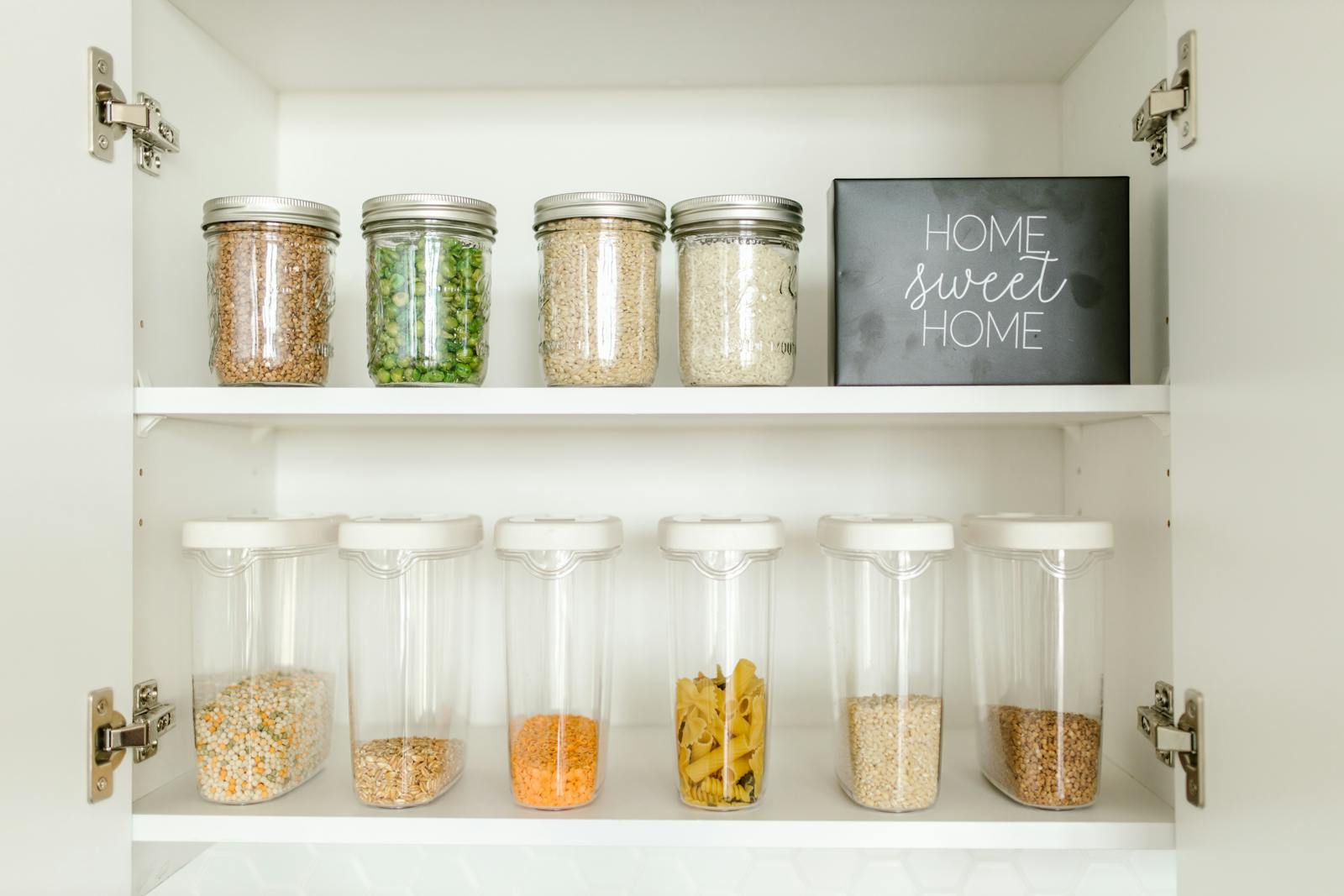
These tall structures can house dry goods like pasta, rice, and canned foods in clearly labeled containers. The key is consistency—use uniform storage bins or glass jars to keep everything visually appealing and easy to identify at a glance.
In addition to shelving, consider magnetic spice racks affixed to the sides of cabinets or the refrigerator. Pegboards can hold baskets, hooks, and small baskets for lightweight foods—think snack bags, seasoning packets, and tea boxes. Don’t overlook the tops of your existing cabinets, which can accommodate decorative baskets filled with lesser-used items or bulk ingredients.
By moving items off countertops and into vertical zones, you’ll free up precious workspace while keeping your pantry essentials within easy reach. This approach not only enhances functionality but also creates an airy, organized atmosphere that feels more spacious.
Creating Functional Storage Solutions in Cabinets
Cabinets are the backbone of most kitchens, but in small apartments they can become catch-alls for random items. To create functional storage solutions in cabinets, start by evaluating what you use most frequently. Reserve the most accessible shelves for everyday staples like cooking oils, frequently used spices, and breakfast cereals.
Move less-used bulk items or seasonal ingredients to higher or lower shelves. Drawer dividers and pull-out trays can transform a cluttered cabinet into a streamlined zone where every item has its own spot. Install lazy Susans in corner cabinets to make use of awkward, deep areas. These rotating platforms bring hidden items to the front, ensuring that no jar or can gets lost at the back.
Adjustable shelving brackets allow you to customize shelf heights, accommodating taller bottles or oversized containers. Stackable cabinet organizers—ideal for canned goods—maximize vertical clearance and let you see labels without digging. For small packets like gravy mixes or seasoning envelopes, mount a small adhesive pouch or magnetic strip on the inside of the cabinet door.
This keeps packets organized and off the shelves, reducing clutter. By tailoring your cabinet interiors to the specific shapes and sizes of your food containers, you’ll harness every inch of storage potential and maintain an orderly kitchen environment.
Maximizing Drawer Space for Food Storage
Drawers are often overlooked as prime real estate for food storage, yet they offer deep, accessible space. To maximize drawer space for food storage, start by designating each drawer a specific purpose—one for snacks, another for baking supplies, and a third for produce like potatoes and onions that don’t require refrigeration.
Use adjustable dividers to create compartments that keep everything in place and prevent small items from rolling around. Clear bins or shallow trays can help categorize tea bags, energy bars, and condiment packets.
Under-shelf drawer inserts can convert a single deep drawer into two tiers, perfect for stacking flat items like tortilla wraps or packaged soups. For bulk snacks such as chips or cereal pouches, consider using soft-sided baskets that flex to fit the drawer height. These containers make it easy to pull out the whole basket when you need a refill and then slide it back for storage.
If your drawers are too shallow for typical bins, look for slim, modular organizers designed specifically for kitchen drawers. With a few simple additions, your drawers can become an efficient staging ground for meal prep, ensuring you can grab what you need without sifting through jumbled piles.
Optimizing Under-the-Sink Storage Options
While under-the-sink areas are traditionally home to cleaning supplies, they can also be repurposed for dry food storage if you guard against moisture. The first step in optimizing under-the-sink storage options is to install a pull-out shelf or tiered organizer, which makes it easy to access items at the back.
Store non-perishable foods in sealed, moisture-resistant containers to prevent spoilage. Keep an eye on potential drips or leaks—lining the base with a removable rubber mat will help protect your food from moisture damage. Use stackable plastic drawers or wire baskets to categorize snacks, baking goods, and paper goods like sandwich bags or foil.
Hanging baskets attached to the cabinet doors offer quick access to smaller items such as spice packets or single-serve coffee pods. If you’re concerned about humidity, invest in small silica gel packets to keep inside containers and deter moisture buildup.
By transforming this underused nook into a secure, moisture-controlled pantry extension, you’ll free up cabinet space elsewhere while ensuring dry goods remain fresh and organized.
Innovative Use of Wall-Mounted Racks and Shelves
Wall-mounted racks and shelves are game changers for small apartment kitchens. With just a few sturdy brackets and a plank, you can create an open shelving system ideal for frequently used ingredients like olive oil, vinegars, and spices. This setup not only keeps your most-used items within arm’s reach but also adds visual interest to your kitchen decor.
Display glass jars filled with grains, lentils, or pasta for a café-style vibe—just be sure to label each jar clearly for quick identification. For a more flexible approach, install a rail system with hooks and baskets. This allows you to hang ladles, mesh baskets of fruit, and even small pots of fresh herbs.
Magnetic knife strips can double as spice rack bars when used with magnetic spice tins. If wall space is limited, consider the vertical side of a pantry door or the narrow space between your fridge and wall. Slim-profile shelving units can fit into these tight spots, holding items like canned goods or rolled-up dish towels.
By bringing storage out into the open, you create an airy, accessible kitchen that feels larger and more welcoming.
Organizing a Dedicated Pantry Area in Small Spaces
Not all small apartments come with a built-in pantry, but you can carve out a dedicated pantry area with a little ingenuity. Identify a narrow wall or an unused corner and install a tall, slim shelving unit. Open shelves work best for visibility—place frequently used staples at eye level, bulk items on the bottom, and decorative baskets or boxes on top.
This approach keeps everything in one centralized “pantry” zone, cutting down on time spent rummaging through multiple cabinets. If floor space is scarce, consider a rolling pantry cart. These thin, wheeled carts slide easily between appliances or beside the kitchen counter and can hold jars, canned foods, and baking supplies.
When not in use, simply tuck it away. Alternatively, repurpose a bookshelf or ladder shelf as a pantry: line each shelf with non-slip liners and use matching jars or bins for a cohesive look. Don’t forget to label everything—consistent labeling helps you track inventory, reduce food waste, and maintain order. A well-organized pantry area feels intentional and makes meal planning a breeze.
Utilizing Multi-Purpose Furniture for Food Storage
In micro-apartments, furniture that doubles as storage is a must-have. Look for benches or ottomans with hidden compartments—line the interior with airtight containers to stow root vegetables, extra nuts, or snack packs. A kitchen island or cart with built-in drawers and shelves can hold everything from mixing bowls to bread or cereal boxes.
Even a dining table with a bottom shelf becomes a discreet spot for storing large jars of legumes, flour, and sugar. Fold-down wall tables can serve as both prep surfaces and storage when outfitted with under-table hooks or baskets. Coffee tables with lift-top designs reveal interior space that’s perfect for non-perishable items.
When choosing multi-purpose pieces, aim for easy-to-clean materials and removable bins that help separate food storage from other household items. By blending your storage into everyday furniture, you maintain a clutter-free aesthetic while maximizing every square inch of your apartment.
Clever Storage Solutions for Bulk Items
Buying in bulk can save money, but bulky packaging often overwhelms limited kitchen space. To manage bulk items more effectively, transfer them into uniform, stackable containers as soon as you bring them home. Large airtight canisters work well for grains, flours, and baking ingredients, while vacuum-sealed bags can compress items like nuts or dried fruit.
Group similar categories together on a single shelf or within a pantry bin to keep track of inventory and prevent overflow. For extra-large items such as rice bags or potatoes, consider under-bed storage boxes tucked beneath your bed or sofa. These clear, wheeled bins are easy to slide out when you need to restock.
Another option is a hanging mesh bag system for onions and potatoes—mount these bags inside a pantry door or on a wall hook. If floor and shelf space are both at a premium, a ceiling-mounted pulley basket can hold lightweight items like onions or garlic, keeping them out of harm’s way but still accessible.
By breaking down bulk packaging into manageable portions and stowing them smartly, you’ll reduce waste and create a more navigable kitchen.
Stylish Organization Ideas for Countertop Storage
Countertops are precious real estate in small apartments, so every item left out should earn its spot. Choose attractive storage solutions that double as decor. A tiered fruit basket adds height and color, while a sleek utensil crock keeps spatulas and spoons within reach.
Use matching ceramic canisters for coffee, tea, and sugar—this coordinated look minimizes visual clutter and ties your countertop design together. If you need additional flat space, mount a small floating shelf above the counter to hold herbs, oils, or coffee mugs. Install under-cabinet magnetic strips to hang knives or spice tins, freeing up counter space while creating a minimalist aesthetic.
When displaying items, maintain a balance between utility and style—group containers in odd numbers, and leave negative space to avoid a crowded feel. Thoughtful countertop storage not only keeps essentials handy but also elevates the overall look of your kitchen.
Transforming Your Small Apartment into a Food Storage Haven
By strategically maximizing vertical space, customizing cabinets and drawers, and integrating multi-purpose furniture, you can discover the best places to store food in small apartments without compromising style. Each of these solutions—whether it’s wall-mounted racks, hidden under-sink organizers, or chic countertop containers—ensures your kitchen remains functional and clutter-free.
Embrace these clever storage hacks to create a streamlined, efficient environment that makes cooking and meal prep a joy. With thoughtful planning and innovative design, your compact apartment can feel spacious, organized, and ready to support all your culinary adventures.


0 Comments