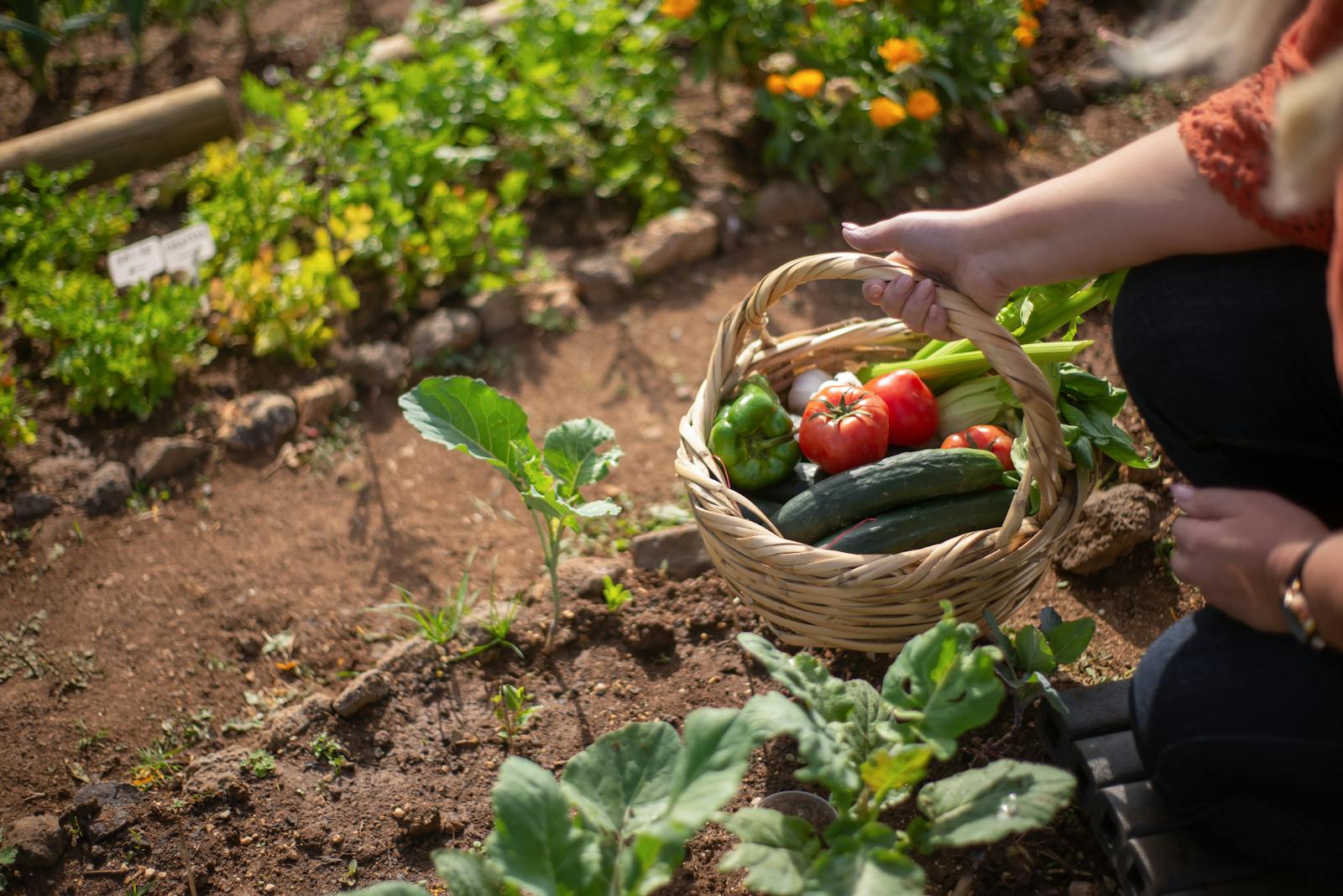
Embarking on the journey of homesteading can be both thrilling and overwhelming. The vision of lush gardens and bountiful harvests dances in the minds of eager beginners, but the path to achieving it is often sprinkled with challenges. As a new homesteader, choosing the right crops to cultivate is crucial for a fruitful start.
Imagine stepping out into your garden and finding an array of vibrant vegetables and fruits ready to grace your table—it's achievable with the right choices. Starting with the best crops for beginner homesteaders not only ensures success but builds the confidence needed to expand your gardening ventures.
Yet, with so many options out there, how does one decide which crops are the best fit for their budding homestead? The answer lies in understanding the unique needs and growth requirements of each plant. Some crops are more forgiving to novice mishaps, while others are resilient, requiring minimal attention to thrive.
By selecting easy-to-grow varieties, you lay down the foundation of a prosperous garden and a rewarding homesteading experience. This article delves into the top crops that will not only survive but flourish under the care of beginners, turning your dream of a thriving homestead into a delightful reality.
Fast-Growing Vegetables for Quick Rewards
One of the most gratifying experiences for new homesteaders is harvesting a crop within weeks of planting. Fast-growing vegetables offer quick wins that boost confidence and keep motivation high. Radishes, for instance, can be ready to eat in as little as 25–30 days, making them an ideal choice for those testing the waters of vegetable gardening.
Leafy greens like lettuce and arugula also mature rapidly—often within 30–45 days—providing a continuous supply of fresh salad ingredients throughout the growing season.
Another standout is baby spinach, which you can begin harvesting in just four weeks when picked as microgreens. Green onions (scallions) are similarly rewarding, with successive sowing every two weeks ensuring a steady trickle of mild onion flavor. These crops require minimal space and thrive in containers or small raised beds, perfect for homesteaders with limited land.
Their short maturity cycles also allow for succession planting: once one batch is harvested, another can be sown immediately, maximizing yield from the same plot. Beyond speed, fast-growing vegetables often need less maintenance, making them a perfect fit within the roster of Best Crops for Beginner Homesteaders.
They’re generally more forgiving of light soil or inconsistent watering, and their rapid life cycles reduce the window for pests to establish. For those who relish near-instant gratification, integrating these quick rewards into your garden plan ensures that you’ll be snipping fresh produce in no time—fueling both your pantry and your enthusiasm for the homesteading journey.
Hardy Perennials for Long-Term Sustainability
Hardy perennial crops can be the backbone of a sustainable homestead. Once established, these plants return year after year, reducing the workload and guaranteeing a dependable harvest. Asparagus is a classic choice: though it takes a couple of seasons to reach full production, it can yield for up to 20 years. Rhubarb is another stalwart, flourishing in cooler climates and offering tart stalks for pies and preserves each spring without replanting.
Berries like raspberries and blackberries also fall into this category, providing large yields with minimal annual effort. They require pruning and support structures but reward you with sweet fruit from mid-summer into fall. For herbal perennials, consider chives, oregano, and mint—plants that bounce back after frosts and spread modestly to fill in gaps.
Their deep root systems help loosen soil, and their presence can deter certain pests, making them functional elements of an organic garden. Integrating hardy perennials into your planting scheme builds resilience into the homestead ecosystem. While annuals demand yearly sowing and intensive care, perennials establish self-regulating systems that require only occasional dividing, pruning, or mulching.
Over time, these plants will form a living framework around which you can weave faster-growing and seasonal crops, ensuring that each passing year becomes easier and more rewarding on your journey to grow the Best Crops for Beginner Homesteaders.
Low-Maintenance Herbs for Beginner Herbalists
Herbs are an excellent entry point for homesteaders looking to expand beyond vegetables. They often require less water and attention than traditional crops, and they can thrive in small garden beds or containers. Low-maintenance herbs particularly suited to novices include mint, thyme, oregano, and chives. These varieties generally tolerate a range of soil conditions and recover quickly from light neglect.
Mint, for example, grows vigorously and spreads, making it perfect for ground cover and container cultivation. Thyme and oregano are drought-tolerant Mediterranean herbs that resist pests and diseases while offering flavorful additions to countless dishes.
Chives are hardy in most climates, and each cut encourages new growth, providing a continual snip of onion-like flavor. Because these herbs are perennials, they establish once and then reward you for multiple years, aligning with the ethos of Best Crops for Beginner Homesteaders.
When planting herbs, layer them into your garden alongside vegetables to maximize space. Many herbs serve dual purposes, repelling pests and attracting beneficial insects. For instance, planting basil near tomatoes can improve the tomatoes’ flavor and ward off whiteflies.
By weaving low-maintenance herbs into your landscape, you not only cultivate fresh seasonings but also create a dynamic, self-supporting garden ecosystem that grows stronger each season.
Root Vegetables
Root vegetables are a nutrient powerhouse, often stocking storehouses with vitamins, minerals, and fiber. Varieties like carrots, beets, and turnips are remarkably forgiving, making them ideal among Best Crops for Beginner Homesteaders. These roots thrive in loose, well-drained soil; if you’re working with heavier clay, add plenty of compost or sand to improve texture.
Carrots can be sown directly into the garden, thinning seedlings to allow room for uniform development. Beets similarly flourish with minimal fuss, offering both roots and tender greens for harvest. Turnips mature quickly—some varieties in as little as 50 days—while rutabagas take slightly longer but deliver substantial yields that store well over winter.
Potatoes round out the root vegetable category with staggering productivity. By chitting tubers before planting, you encourage early sprouting, and earthing up soil around stems maximizes tuber formation. Potatoes can be grown in trenches or large containers, allowing beginners to experiment without dedicating a full bed.
With consistent moisture and occasional feeding, root vegetables will reward you with a robust, nutritious harvest that anchors your homestead pantry throughout the year.
Fruits with High Yield and Minimal Effort
For homesteaders seeking sweet rewards, certain fruit crops offer large harvests with surprisingly little labor. Strawberries, for example, can begin producing in their first year when planted as juvenile bare-root runners. They benefit from a layer of straw mulch to conserve moisture and suppress weeds, and a simple setup can yield quarts of berries per plant by mid-summer.
Gooseberries and currants are also exceptionally hardy, tolerating shade and poor soils while generating clusters of tart fruit ideal for jams and pies. Blueberries require acidic soil amendments—like peat moss or pine needle mulch—but once the pH is correct, they produce heavy crops for many seasons. Elderberries are another low-maintenance option, growing rapidly into large shrubs that bear profuse clusters of berries used for syrups and wines.
Tomatoes and peppers, though technically botanical fruits, deserve mention here. Many heirloom and hybrid tomato varieties are bred for disease resistance, simplifying care for new gardeners. Peppers thrive in containers or raised beds, requiring only regular watering and occasional fertilizer. By incorporating these high-yield, minimal-effort fruits into your homestead plan, you’ll enjoy copious fresh and preserved produce year after year.
Seasonal Crops
Adapting your crop choices to seasonal cycles ensures year-round productivity on your homestead. In cool seasons, prioritize plants that tolerate light frosts and lower temperatures. Peas, kale, spinach, and broccoli can all be sown early in spring or late in summer for a fall harvest, giving you crisp, nutrient-rich vegetables when others falter.
Warm-season crops such as beans, cucumbers, tomatoes, and squash thrive once the threat of frost has passed and soil temperatures climb. Many of these plants perform well in succession: after harvesting spring greens, clear the bed and sow a warm-season vegetable, maximizing the productive window of each plot.
Utilizing row covers and cold frames extends your seasons even further, allowing for early sowing of summer crops and late-season protection for fall plantings. By understanding frost dates and microclimates on your property, you can plan multiple planting windows. This rotation not only increases yield but also disrupts pest life cycles and reduces disease buildup in the soil.
Seasonal planning is a hallmark of success for those seeking the Best Crops for Beginner Homesteaders, ensuring continual harvests and a dynamic, resilient garden system.
Versatile Greens for Continuous Harvest
Leafy greens are indispensable for homesteaders who value steady harvests and nutritional variety. Kale, Swiss chard, and collards are perennials or biennials in many regions, providing harvests for months with minimal replanting. For faster turnover, plant loose-leaf lettuce, arugula, and mizuna as cut-and-come-again salads—harvesting outer leaves while inner foliage continues to grow.
These greens flourish in both spring and fall, and many varieties tolerate partial shade, making them perfect for underplanting or installation in north-facing beds. Swiss chard is noted for its vivid stems and resilience, often persisting through light frosts into winter. Baby kale mixes, sold as microgreens, can be clipped in just three weeks, offering tender and nutrient-dense shoots.
Greens also work well in succession plantings. Sow a new row every two weeks to maintain a continuous supply. Because they have shallow root systems, they perform admirably in containers, window boxes, or raised beds. Incorporating a variety of colors and textures not only enhances your plate but also strengthens the garden’s ecological tapestry, embodying the Best Crops for Beginner Homesteaders ethos of productivity and diversity.
Flowers That Serve Both Aesthetics and Functionality
A lush homestead isn’t just about edibles—flowers play vital roles in pollination, pest control, and aesthetic beauty. Marigolds, with their bright blooms, emit compounds that repel nematodes and aphids, safeguarding nearby vegetables. Plant them along the edges of your beds or dip the soil with marigold-infused mulch to harness their protective qualities.
Nasturtiums are another dual-purpose flower: their peppery blooms are edible additions to salads, and their trailing habit makes an excellent ground cover that suppresses weeds. Borage attracts pollinators like bees and predatory insects that feed on pests. Its star-shaped flowers also make flavorful garnishes in teas and cocktails.
Calendula (pot marigold) has medicinal properties and bright orange flowers that enliven borders. Sunflowers can be interplanted with beans and corn for a classic “Three Sisters” arrangement, adding vertical interest and seeds for snacks or bird feed. By choosing flowers that serve both function and form, you create a vibrant landscape that supports high yields and enhances the visual appeal of your homestead.
Companion Planting
Companion planting is a time-tested strategy that pairs compatible species to boost growth, repel pests, and improve flavor. The classic combination of tomatoes and basil illustrates this beautifully: basil enhances tomato flavor and deters whiteflies, while tomatoes offer shade to basil in hotter climates.
Similarly, planting marigolds among vegetable rows can suppress soil-borne pests and attract beneficial insects like hoverflies. Other synergistic pairs include carrots and onions; onions’ strong scent masks carrot foliage from carrot flies, while carrots help break up the soil for onion bulbs to expand.
Beans fix nitrogen in the soil, benefiting heavy feeders like corn and squash. In turn, corn provides a natural trellis for climbing bean varieties. Nasturtiums act as trap crops, luring aphids away from lettuces and cucumbers.
To implement companion planting, map out your garden beds with attention to each crop’s height, spread, and nutrient needs. Rotate plant families each season to disrupt pest lifecycles and maintain soil fertility. By weaving these plant partnerships into your strategy, you’ll cultivate healthier, more productive beds—an essential practice for achieving the Best Crops for Beginner Homesteaders and ensuring lasting homestead success.
Cultivating Success on Your Homestead
Selecting the right mix of fast-growing annuals, hardy perennials, easy-care herbs, and functional flowers sets the stage for a thriving homestead. By focusing on these beginner-friendly crops, you’ll build both confidence and competence in the garden.
Embrace succession planting, companion strategies, and seasonal rotations to keep your beds productive year-round. With the Best Crops for Beginner Homesteaders at your fingertips, you’re well-equipped to grow a diverse, resilient, and rewarding garden that will nourish you for seasons to come.



0 Comments