A sudden storm hits your town, the power is out, and you're cut off from basic services. In such moments, a well-prepared 72-hour kit could be your lifeline. However, as crucial as these kits are, many people unknowingly fill them with errors that could jeopardize their safety and comfort when they need it most.
Enter the blog post on “72-Hour Kit Mistakes Most Beginners Make,” your essential guide to avoiding common pitfalls and ensuring your survival gear truly works for you. Don't let your first attempt at assembling a 72-hour kit become a trial by error in the midst of an emergency.
Many beginners overlook critical items or misunderstand how to organize their supplies effectively. This blog post will walk you through the most frequent missteps, empowering you to create a robust emergency plan without unnecessary stress.
Whether you're new to the world of emergency preparedness or looking to refine your approach, understanding these mistakes is your first step toward peace of mind. So, let's dive into the essentials for crafting a foolproof 72-hour kit!
Importance of a 72-Hour Kit
When disaster strikes, the difference between chaos and confidence often comes down to preparation. A well-assembled 72-hour kit ensures that you have the basic necessities—food, water, shelter, and essential tools—to survive the critical first three days after an emergency.
In many scenarios, first responders might be overwhelmed, and infrastructure repairs can take time. That’s why community and personal readiness rely heavily on prepacked supplies. Understanding why a 72-hour kit matters helps you appreciate the thought that goes into every item.
It’s not just about stuffing a bag with random gear; it’s about addressing real-world needs under stress. Even if you live in a region with a lower risk profile, unforeseen events such as severe weather, power outages, or civil disruptions can occur anywhere.
By preparing now, you avoid the last-minute frenzy that can lead to costly mistakes—the very pitfalls covered in this guide on 72-Hour Kit Mistakes Most Beginners Make.
Common Overlooked Items in 72-Hour Kits
Beginners often focus on the big-ticket essentials and forget the small yet critical items that can make or break your comfort and safety. In this section, we’ll highlight some of the most frequently missed supplies and explain why they belong in every kit.
Avoid these common omissions to ensure your 72-hour kit is truly comprehensive and ready for any emergency.
Organizing Your Supplies Efficiently
Effective organization transforms a bulky mess of gear into a streamlined, accessible survival resource. Beginners sometimes cram items into a single backpack without any system, making it difficult to locate essential tools under stress.
Using clear, labeled compartments or color-coded pouches can drastically reduce search time and decision fatigue when every second counts. Adopt a categorization strategy—food and water, medical, shelter, tools, personal items—so that you know exactly where everything lives.
Rotating perishable items on a regular schedule and conducting quarterly inventory checks will keep your supplies fresh and functional. Remember, the smartest kit is one you can deploy quickly and confidently.
Choosing the Right Containers for Your Kit
The container you select is as important as the supplies inside. Too large, and you’ll be tempted to overpack; too small, and you’ll leave out essentials. Opt for rugged, water-resistant backpacks or modular bins that withstand harsh conditions and are easy to carry or stash in your vehicle or home.
Look for containers with multiple compartments, reinforced handles, and MOLLE webbing if you plan on attaching extra pouches. Ensure that weight is balanced to prevent back strain and that the material can survive exposure to moisture, mold, and pests.
A well-chosen container is your kit’s first line of defense against environmental hazards.
Food and Water Essentials
Water is the single most vital requirement in any survival scenario, but many beginners fail to include adequate purification methods. In addition to bottled water, pack at least one portable filtration device or water purification tablets to treat natural sources safely.
When it comes to food, focus on high-calorie, non-perishable items such as energy bars, dehydrated meals, and nutrient-dense snacks. Avoid complex cooking requirements by choosing food that can be eaten cold or prepared with minimal heat.
Remember to store extra fuel, like small propane cartridges or a compact wood-burning stove, to cover at least three days of cooking needs.
First Aid Kit Must-Haves
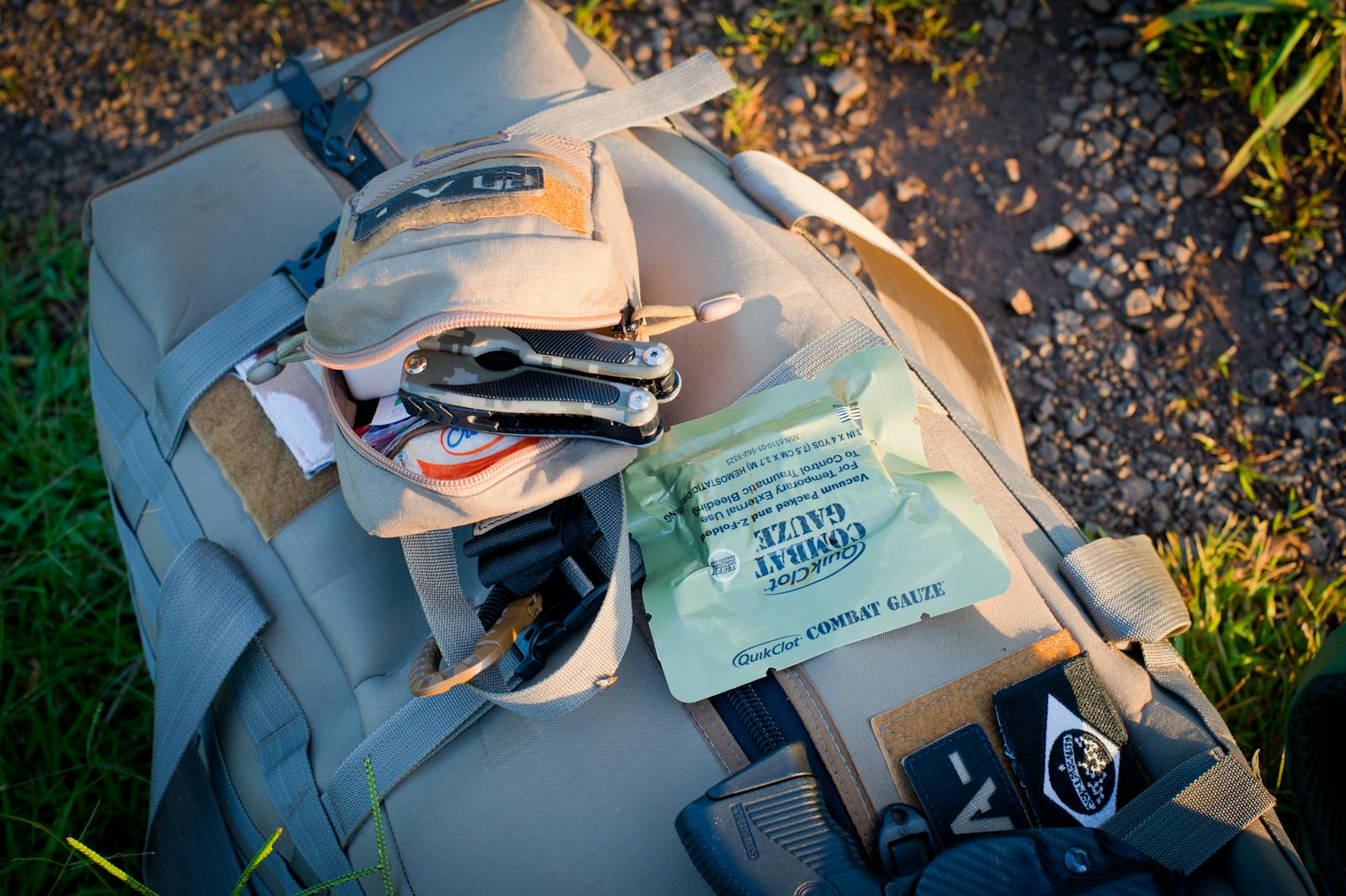
A standard, store-bought first aid kit is a good start but often lacks critical items for serious injuries. Beginners frequently overlook advanced wound care supplies like trauma dressings, tourniquets, and sterile gloves. These extras can be lifesaving in severe bleeding scenarios.
Also include a comprehensive assortment of over-the-counter medications—pain relievers, antihistamines, anti-diarrheal pills, and water purification tablets. Don’t forget personal prescriptions or allergy treatments.
Regularly check expiration dates and replace used or outdated items to keep your kit ready for action.
Clothing and Shelter Considerations
Many beginners underestimate the impact of weather and terrain on survival. Packing just a change of clothes might not suffice if conditions turn extreme. Layering is key: start with moisture-wicking base layers, add insulating mid-layers, and top off with a waterproof outer shell to protect against rain or snow.
For shelter, a simple tarp or lightweight emergency bivvy can be more reliable than a bulky tent in certain situations. Include a compact sleeping bag rated for temperatures below your region’s average low, as well as heat-reflective blankets.
These items take little space but hugely increase your odds of maintaining body heat.
Communication Tools in Your Kit
Staying informed and connected can spell the difference between resilience and vulnerability. Beginners often pack a single cell phone and battery pack, ignoring the fact that networks can fail. Invest in a hand-crank or solar-powered radio to receive emergency broadcasts when cellular service is down.
Two-way communication options such as walkie-talkies or a personal locator beacon (PLB) can also be invaluable, especially if you’re traveling in a group. Don’t forget to include extra batteries or a portable solar charger to keep your devices powered.
Personalize Your Kit to Fit Your Needs
No two individuals share the exact same requirements in an emergency. Beginners who follow generic checklists may miss crucial personal items—prescription medications, baby supplies, pet food, or specific sanitary products.
Tailoring your kit means adding those irreplaceable comforts that ensure everyone’s unique needs are met. Review your medical conditions, lifestyle, and geographic risks when customizing your kit. If you have small children, include activities to keep them calm.
Pet owners should add leashes, bowls, and vaccine records. The more precisely your 72-hour kit reflects your life, the more effective it will be at keeping you safe and comfortable.
Mastering Your 72-Hour Kit
Building a reliable 72-hour kit avoids many of the 72-Hour Kit Mistakes Most Beginners Make by emphasizing preparedness, organization, and personalization. By understanding the importance of each category—food, water, first aid, shelter, communication, and personal items—you’ll assemble a kit that stands up to real emergencies.
Regular reviews, realistic practice drills, and thoughtful updates will keep your kit in top shape. Master these fundamentals now, and you’ll face whatever comes with confidence and peace of mind.


0 Comments